Teams Help-Desk Impersonation Delivers SynkLoader to Steal Windows Passwords
Social Engineering & Fraud · 2 sources · Updated 2mo ago · First seen Sep 22, 2026
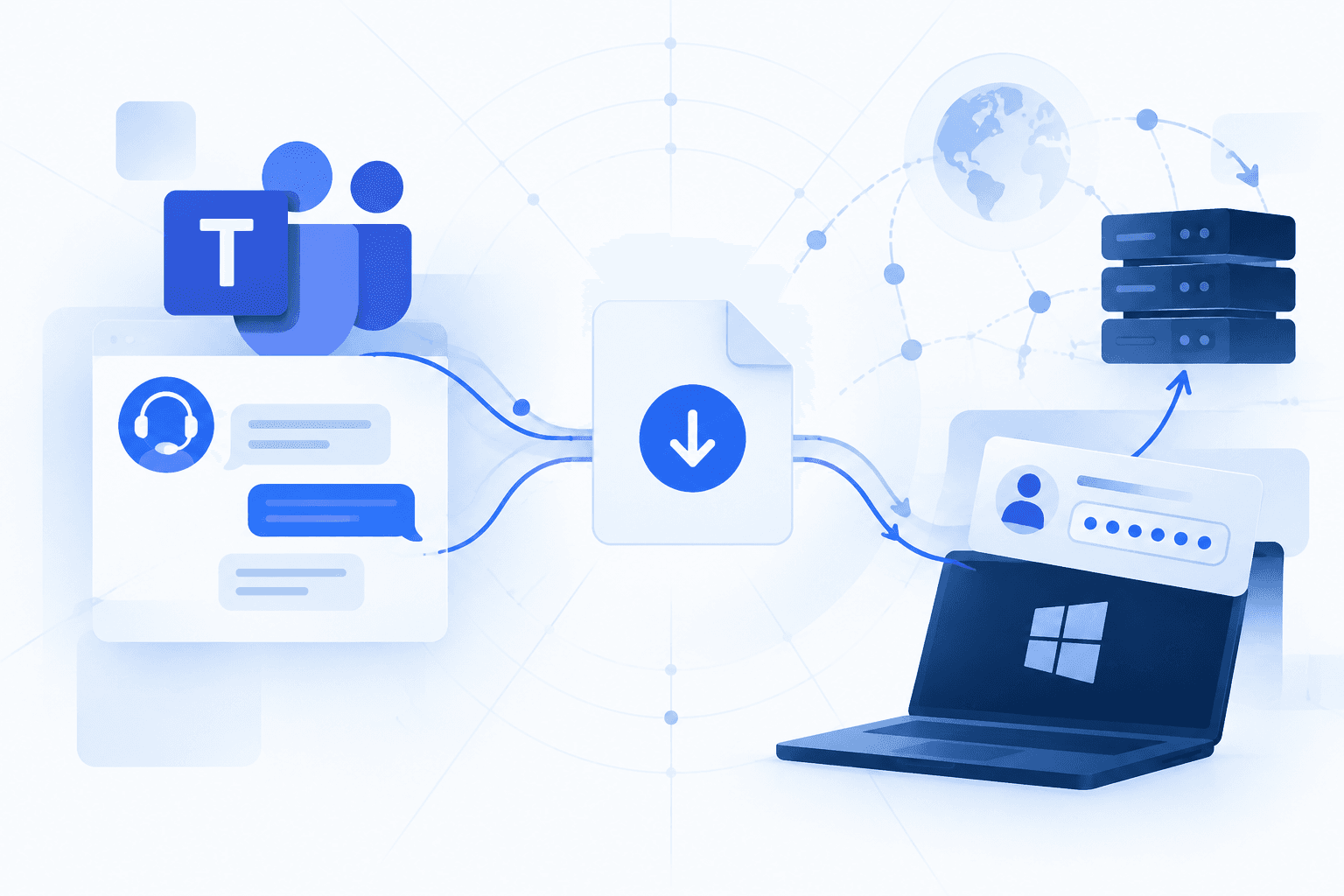
Threat actors are using Microsoft Teams external chats to impersonate internal IT help-desk staff, persuading employees to install malware or grant remote access. The campaign relies on attacker-controlled Microsoft 365 tenants and trusted-looking display names such as “IT Service Desk,” exploiting permissive cross-tenant communication rather than a Microsoft Teams software vulnerability.
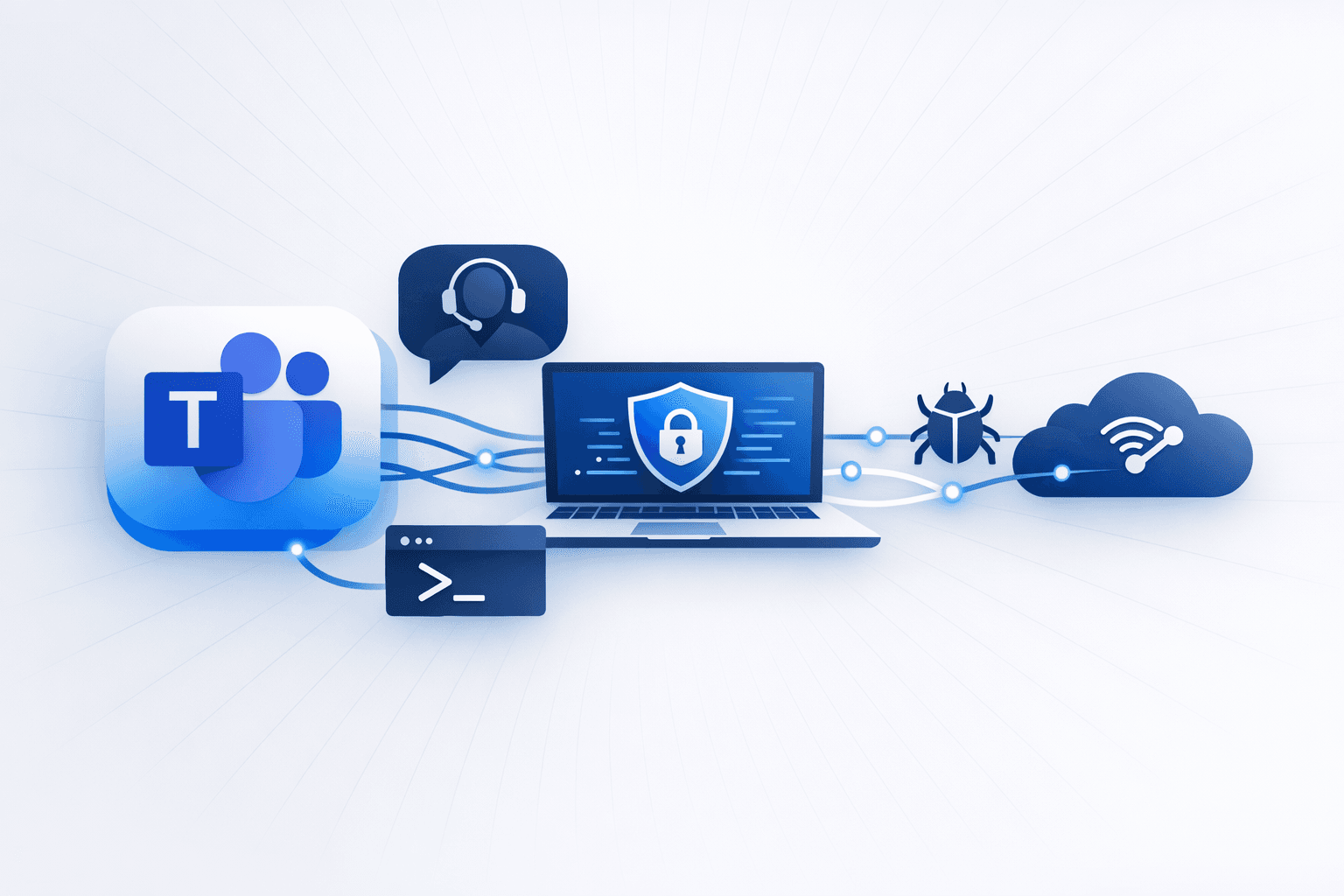
One reported operation delivered SynkLoader through a malicious MSI sent in a Teams phishing message. SynkLoader establishes persistence through scheduled tasks and deploys a PhishLocker component that displays a counterfeit Windows lock screen to capture plaintext credentials. Organizations should limit Teams external communications to trusted domains, ensure external-sender indicators are visible, and require employees to independently verify unsolicited support contacts.
Why it matters
Impact assessment
Threat actors are targeting Microsoft Teams users in organizations that permit broad external/cross-tenant chat, with particular risk to enterprises whose employees routinely interact with IT support through Teams. The campaign can produce endpoint compromise, plaintext Windows credential theft, remote-control abuse, lateral movement, and data theft; the immediate exposure is configuration- and user-interaction-dependent, but potentially widespread in tenants that allow external communication from arbitrary domains.
Affected populations and business impact
- Affected product/service: Microsoft Teams external chat and Microsoft 365 cross-tenant communication.
- Primary targets: Employees who may trust unsolicited messages from purported internal IT or help-desk personnel.
- Prerequisite exposure: Teams external access enabled such that users can receive chats from attacker-controlled Microsoft 365 tenants.
- Consequences after successful social engineering:
- Installation of SynkLoader through a malicious MSI package.
- User-approved remote access, including Quick Assist or screen-control sessions.
- Plaintext capture of Windows passwords through the PhishLocker counterfeit lock screen.
- Command execution, malware deployment, Active Directory discovery, lateral movement, and data theft after remote access or credential compromise.
- No Microsoft Teams software vulnerability or CVE is reported. The campaign abuses legitimate cross-tenant communication and deceptive tenant display names.
- The supplied reporting describes active threat activity but does not identify confirmed victim organizations, incident counts, or a specific threat actor.
Structured facts
- Entity names: Microsoft Teams, Microsoft 365, Microsoft Azure storage, SynkLoader, PhishLocker, Quick Assist.
- Social-engineering lures: security issue remediation, device cleaning, email fixes, and urgent software updates.
- Impersonated display names:
IT Service Desk,Help Desk. - Credential target: Windows user passwords captured in plaintext.