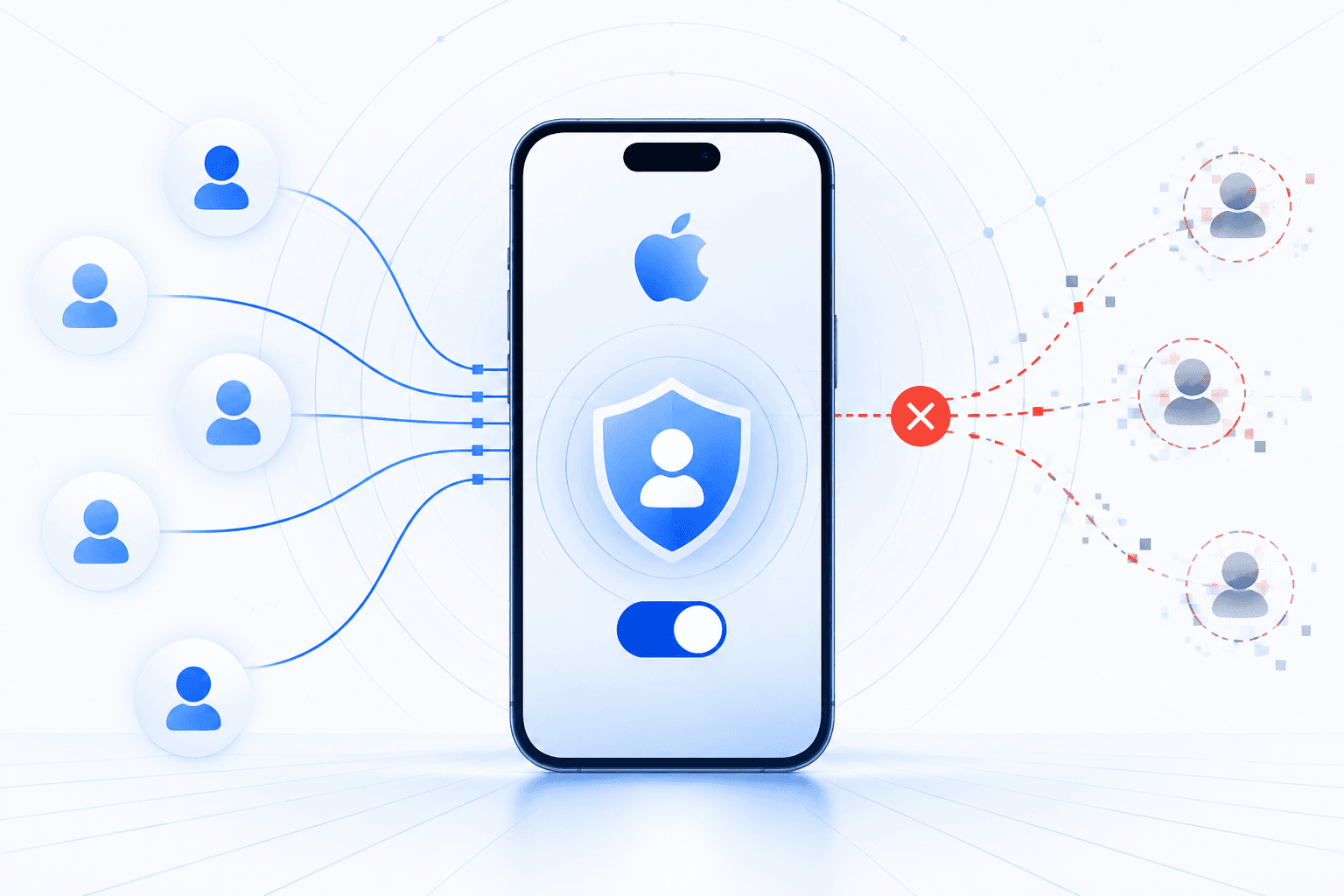
Apple Adds On-Device Impersonation Scam Detection to iOS 27
Social Engineering & Fraud · 2 sources · Updated 2mo ago · First seen Sep 21, 2026
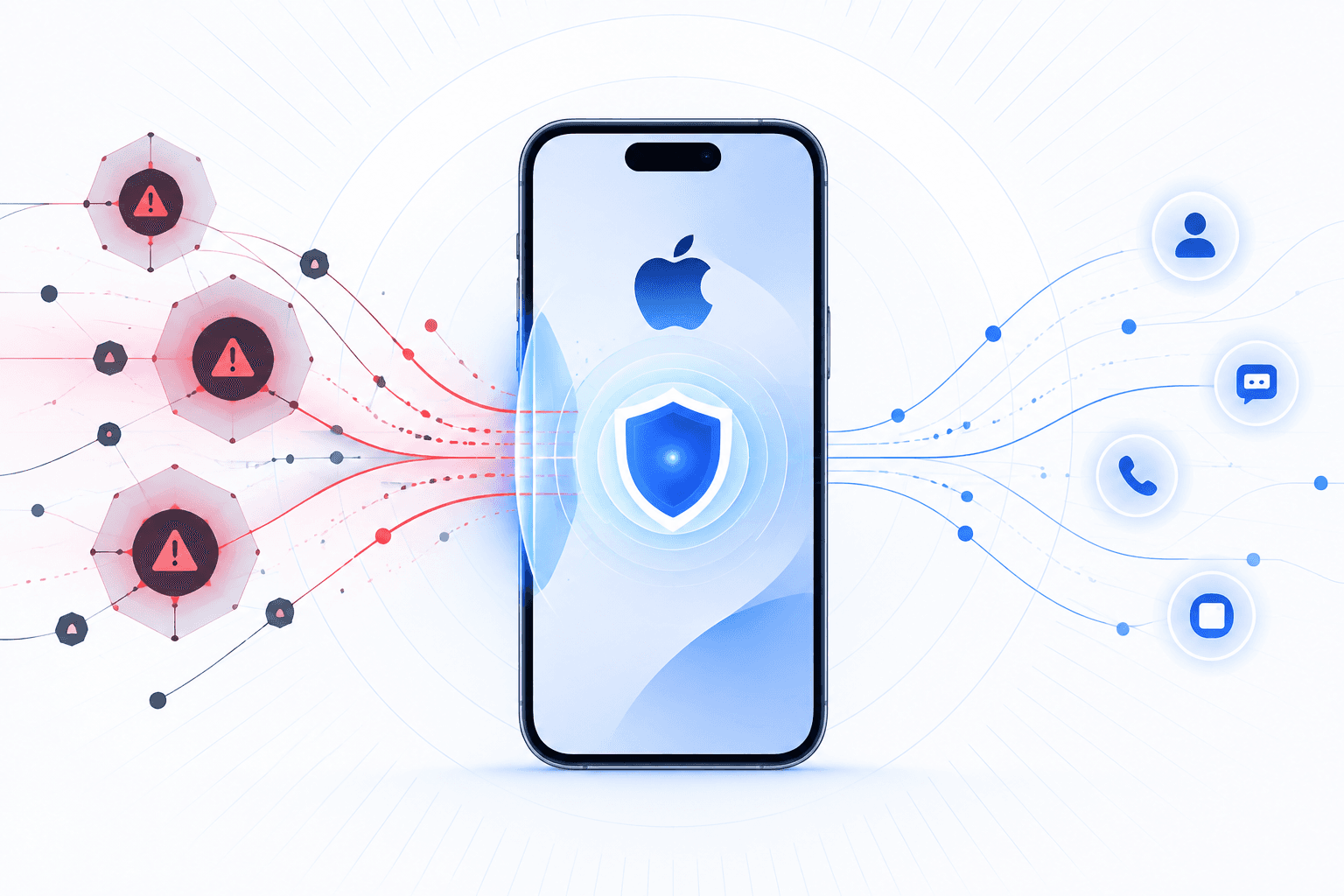
Apple introduced Impersonation Risk Detection in iOS 27 and iPadOS 27, an opt-in privacy feature that helps participating apps identify actions potentially tied to active social-engineering or impersonation scams. The operating system assesses device-use, Apple Account, interaction, timing, contextual, and limited sensor-data signals locally, while excluding the contents of Photos, Messages, and Mail.
Supported apps receive only an unknown, medium, or high risk assessment rather than the underlying data. Developers can use that result to display warnings, delay sensitive transactions, or require identity verification before actions such as account-security changes or large payments. Users can control global and per-app access in Privacy & Security settings, though setting changes may take up to 24 hours to take effect; effectiveness depends on both user opt-in and app adoption.
Why it matters
Impact assessment
Apple iOS 27 and iPadOS 27 users can receive additional protection against active impersonation scams when they opt in and use applications that integrate Impersonation Risk Detection. The feature is a fraud-control enhancement rather than remediation for a software vulnerability; its effectiveness is limited by user enrollment, application adoption, and each application's chosen response to medium- or high-risk results.
- Affected population: iPhone and iPad users on iOS 27/iPadOS 27, particularly users of financial, payment, identity, and account-management applications.
- Threat addressed: social-engineering campaigns impersonating banks, government agencies, or trusted individuals to induce victim-authorized payments, password resets, disabling of two-factor authentication, or account-detail changes.
- Business impact: participating application providers can reduce fraud loss, account takeover, support costs, and reputational damage by applying step-up verification or transaction delays to risky actions.
- Scope: potentially broad consumer protection, but not universal. The control is disabled by default, requires explicit user opt-in, and must be implemented by each application.
- Exploitation status: no vulnerability or active threat campaign is identified in the reporting. The feature is designed for scams that evade traditional controls because the legitimate user is manipulated into performing the action.
Extracted entities
- Vendor: Apple
- Products: iOS 27, iPadOS 27
- Feature: Impersonation Risk Detection
- Protected actions: payments, password changes/resets, disabling two-factor authentication, and critical account-security changes