Apple Adds Opt-In Impersonation Risk Detection to iOS 27
Social Engineering & Fraud · 2 sources · Updated 2mo ago · First seen Sep 30, 2026
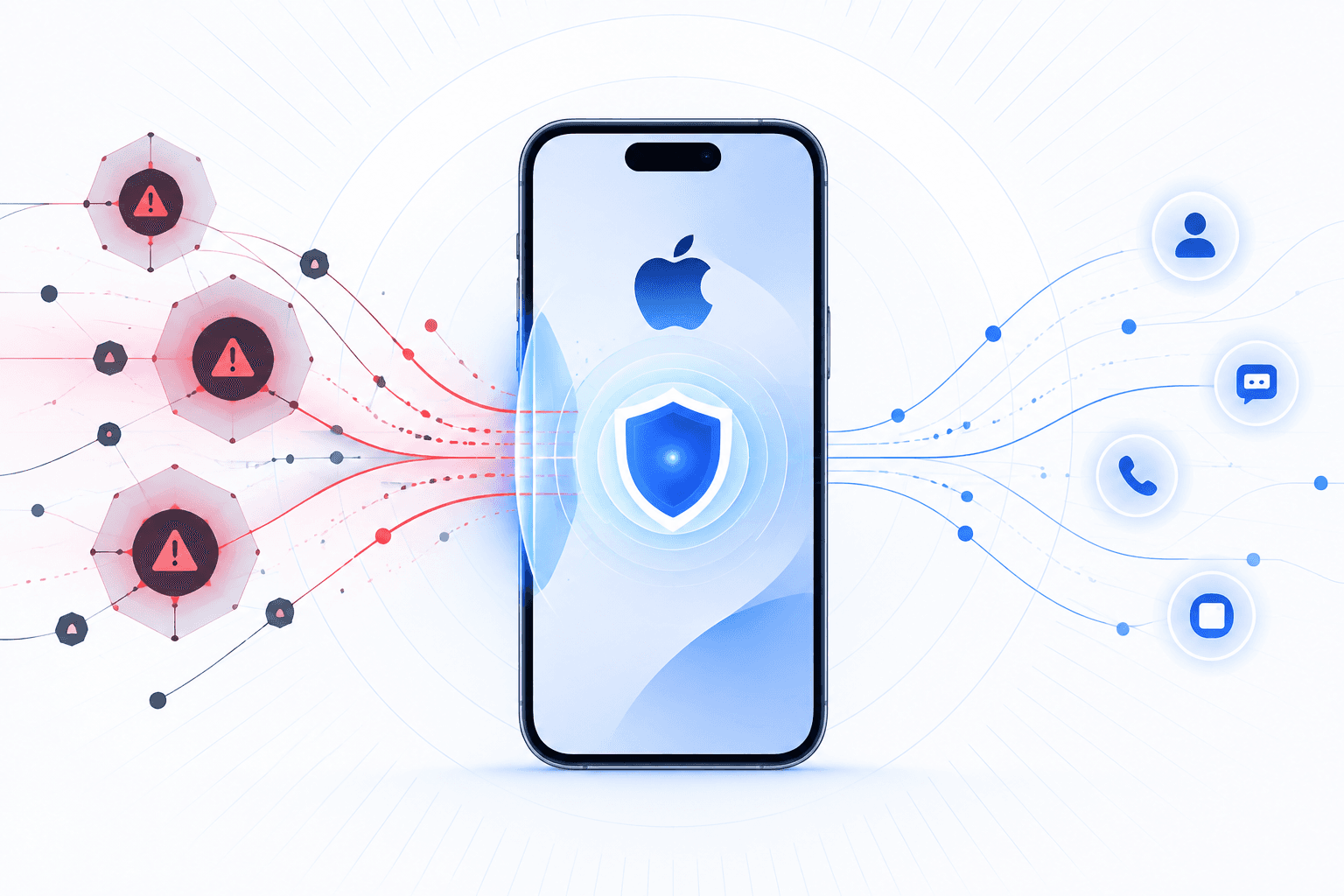
Apple added Impersonation Risk Detection to iOS 27 and iPadOS 27 to help participating applications identify potential social-engineering and identity-impersonation scams before sensitive actions. Apps can request an assessment for events such as payments, password changes, or sharing account details, and receive an Unknown, Medium, or High risk rating; each developer decides whether to warn the user, require additional identity verification, delay the action, or apply other controls.
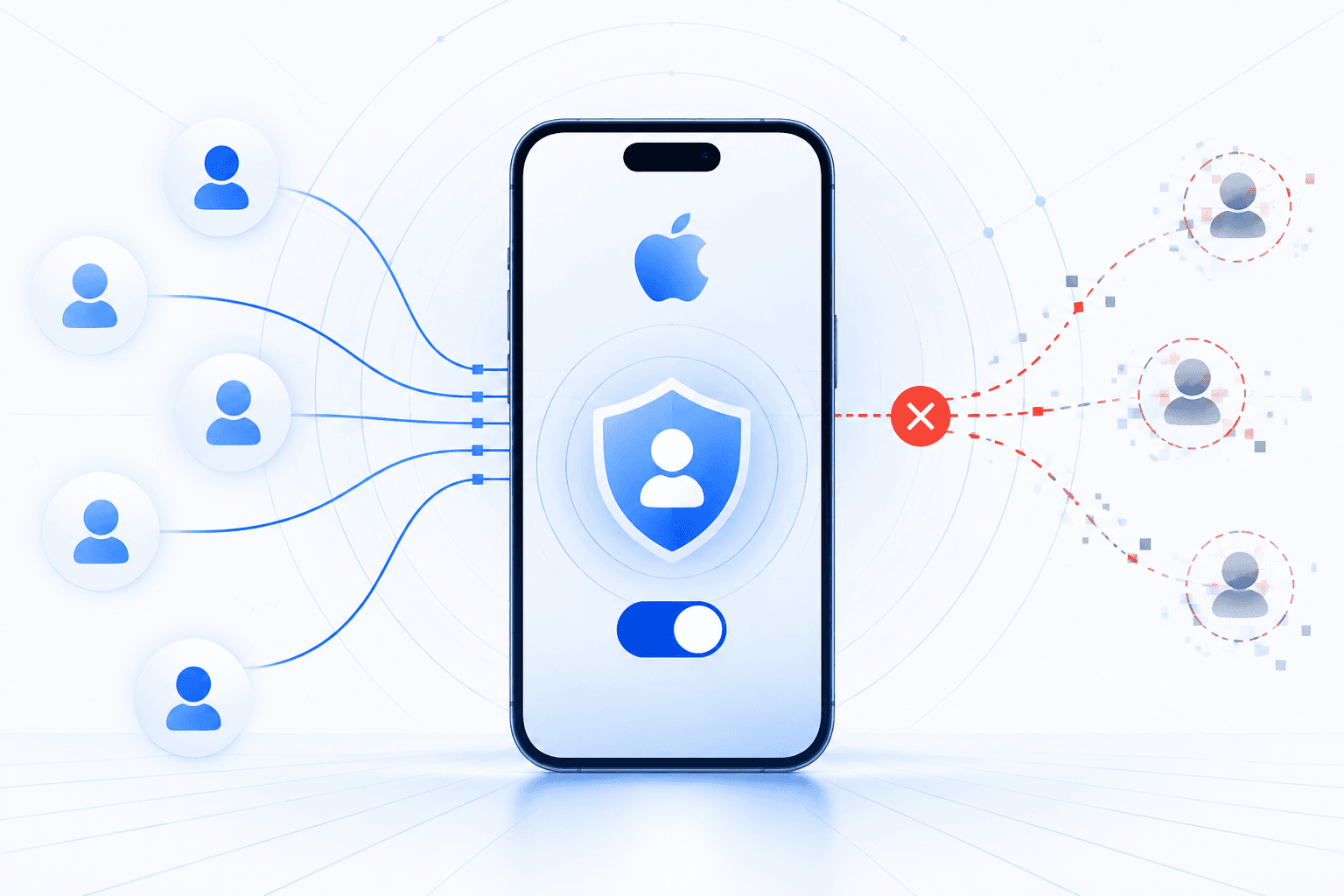
The capability is disabled by default and requires users to enable Share with App Developers; activation can take up to 24 hours. Apple says its assessment uses relevant Apple Account and device signals while Apple neither receives the underlying interaction-assessment data nor inspects content in Mail, Messages, or Photos, although it can learn the action category for which an app requests a risk assessment.
Why it matters
Impact assessment
Apple’s opt-in Impersonation Risk Detection can reduce successful social-engineering fraud for iOS 27 and iPadOS 27 users when supported applications apply meaningful controls to elevated-risk actions. The immediate exposure is limited: the capability is disabled by default, requires user consent, and depends on individual applications integrating it and enforcing an appropriate response.
- Affected population: iPhone and iPad users running iOS 27 or iPadOS 27, plus Apple and third-party application providers handling payments, credential changes, or account-detail sharing.
- Primary business risk addressed: account takeover, fraudulent payments, unauthorized changes to recovery credentials, and disclosure of sensitive account data induced through impersonation scams.
- Severity depends on app implementation. Apple returns a risk rating only; participating apps decide whether to warn, step up authentication, delay, or block an action.
- No vulnerability, compromise, threat actor, or in-the-wild exploitation incident is reported in the source material.
- Adoption constraints: users must enable Share with App Developers, activation can take up to 24 hours, and Apple has not identified participating applications.
Structured facts
- Products: iOS 27; iPadOS 27.
- Feature: Impersonation Risk Detection.
- User consent control: Settings > Privacy & Security > Impersonation Risk Detection > Share with App Developers.
- App actions cited: payments, password changes, and sharing account details.
- Available outcomes: Unknown, Medium, High.
- App controls cited: warning, additional identity verification, or action delay.