FaceTime Impersonation Scam Drains Bank Accounts and Hijacks Apple Users
Social Engineering & Fraud · 7 sources · Updated 4mo ago · First seen Jul 15, 2026

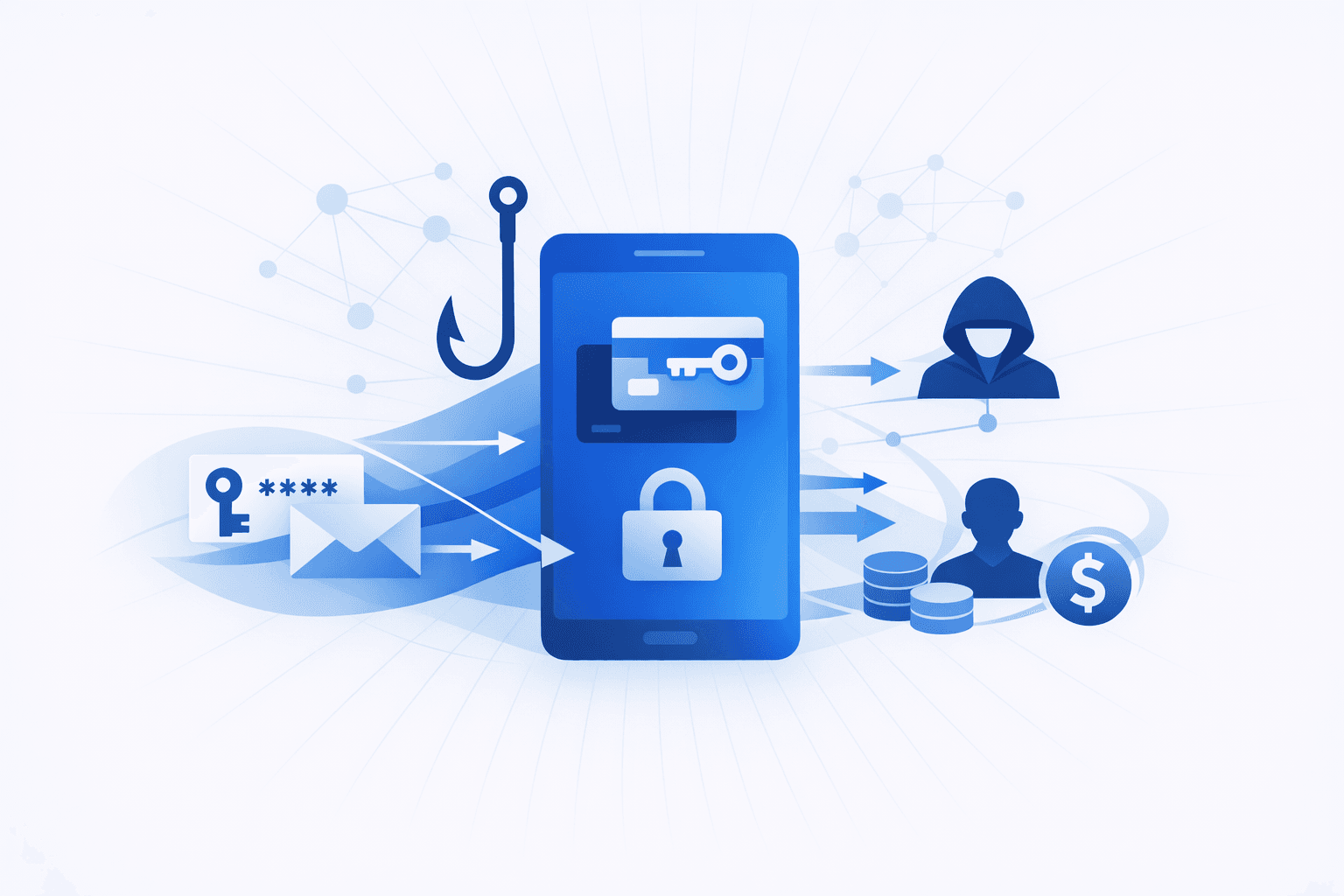
Apple users are being targeted in a social engineering campaign that uses unexpected FaceTime calls to impersonate banks and Apple Support, with attackers aiming to steal money and take over accounts. Reports say the scam often starts with urgent text messages claiming there is a problem with a bank or Apple account, then escalates to unsolicited video calls in which fraudsters pressure victims to reveal banking details, Apple ID credentials, and MFA codes, or to install remote-access software.
Security reporting says the tactic exploits the trust created by real-time video interactions to reduce suspicion and speed compliance, enabling account takeover and financial theft. The campaign may also be paired with browser-side flaws and other multi-stage techniques to deepen compromise after credentials are stolen. Apple and financial institutions do not use FaceTime for urgent security remediation, and users are being urged to verify any alerts through official channels, keep iOS and iPadOS updated, and report suspected scams to Apple.
Why it matters
Impact assessment
This is a broad social-engineering fraud campaign targeting iPhone and iPad users rather than a software flaw in FaceTime itself. The primary impact is direct financial theft, Apple account takeover, banking account compromise, identity theft, and potential downstream device compromise when victims install remote-access tools or interact with malicious verification pages.
The exposure is widespread across consumer Apple users and any organization with employees using managed or unmanaged iOS/iPadOS devices for personal or business access. Multiple sources describe active scams in the wild, with impersonation of banks, Apple Support, government entities, delivery services, retailers, and tech support, indicating a scalable multichannel fraud pattern rather than a narrowly targeted intrusion set.
Affected populations
- iPhone and iPad users
- Apple Account and iCloud users
- Online banking customers
- Users of Apple Pay
- Enterprises with BYOD or corporate-issued Apple mobile devices
- Help desks and fraud teams likely to receive follow-on reports
Severity and business risk
- Financial loss through fraudulent transfers, drained bank accounts, and gift card fraud
- Account takeover through theft of Apple ID credentials, passwords, passcodes, and MFA codes
- Identity theft through collection of personal information including address, employer, and Social Security number
- Potential device compromise if victims install remote-access software or are redirected to malicious pages
- Reputational and support burden for banks, Apple-focused support teams, and enterprises whose users are impersonated
Scope and incident status
- Active exploitation is reported in the wild through unsolicited FaceTime calls and precursor SMS messages
- Campaigns are described as growing and increasingly common across multiple impersonation themes
- No evidence in the references indicates a compromise of FaceTime infrastructure or an Apple software vulnerability
- FTC data cited in one reference reports $3.5 billion in U.S. imposter-related losses for 2025, supporting high fraud impact at scale
- Interpol Operation First Light 2026 reportedly arrested 5,811 people and seized $293 million tied to social-engineering scams, showing global scope of related fraud ecosystems