Apple Pay Phishing Using Fake Apple Support Calls to Steal Payment Details
Social Engineering & Fraud · 10 sources · Updated 5mo ago · First seen Feb 9, 2026
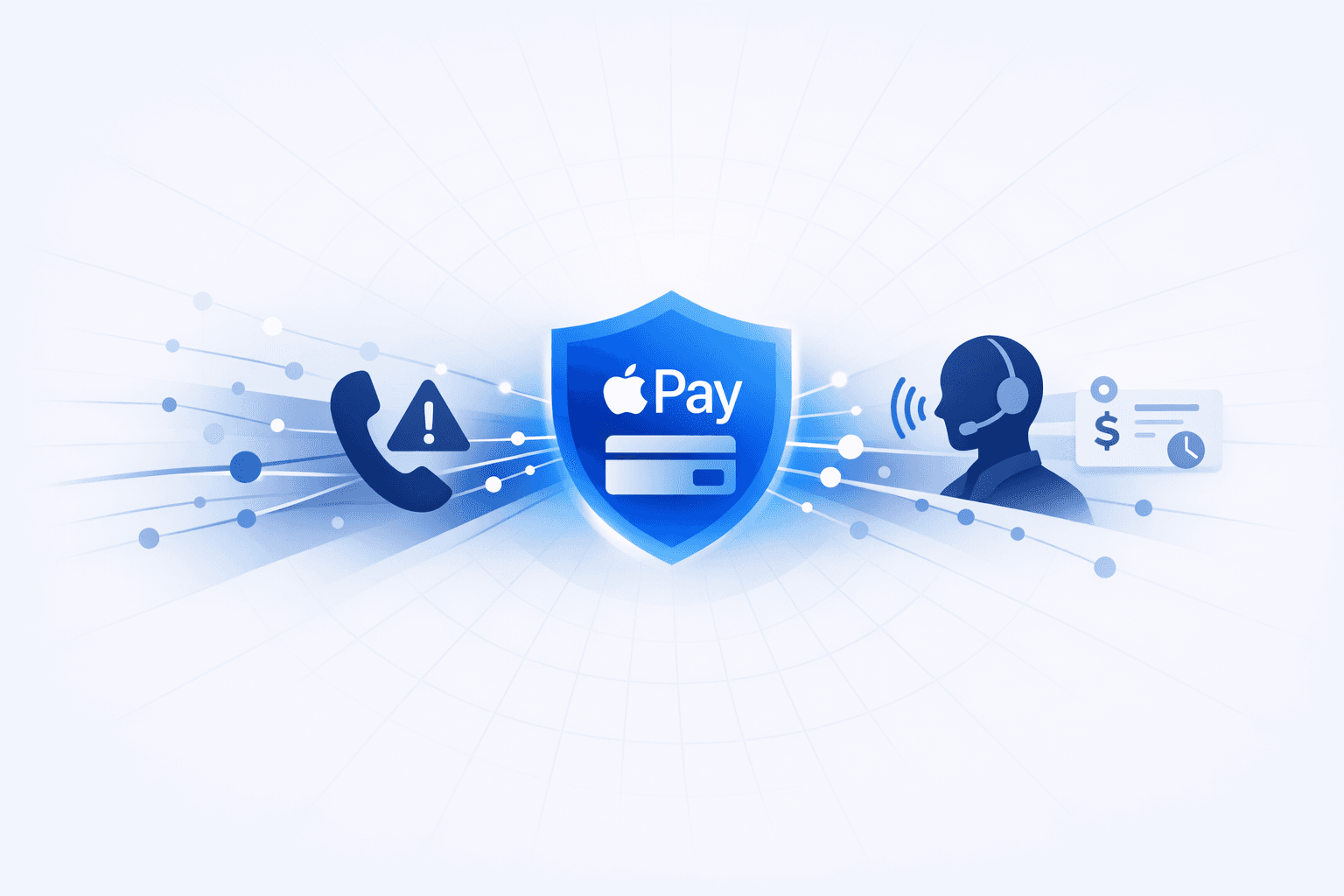
A phishing campaign targeting Apple Pay users is using realistic-looking emails to push victims into calling a fraudulent “Apple Support” phone number, shifting the attack from link-clicking to vishing (voice phishing). The lure commonly claims a high-value Apple Store charge was attempted or stopped, and includes plausible details (e.g., case ID, timestamp, and an “appointment” to review the activity) to create urgency and legitimacy.
Malwarebytes reported the operation’s objective is to extract login/verification codes and payment data during the phone interaction, enabling attackers to take over the victim’s Apple account and potentially access associated data and linked payment methods. Follow-on reporting highlighted the use of Apple branding and invoice-style formatting (including high-ticket purchase claims) to increase conversion, and emphasized the potential impact of account compromise beyond payment theft (e.g., access to stored personal data and connected services).
Why it matters
Impact assessment
This campaign targets Apple Pay and Apple ID users, with the highest risk to consumers and enterprises whose users rely on Apple devices for payments, identity, and stored personal data. Impact can include Apple account takeover, theft of payment card and bank details, fraudulent transactions, exposure of personal data, and follow-on compromise if victims are convinced to install remote access tools.
The activity appears broad and scalable rather than narrowly targeted. Multiple reports describe recurring Apple Pay-themed callback and vishing lures, and separate reporting shows attackers also abused Apple’s legitimate notification infrastructure to increase credibility, indicating active exploitation in the wild of trusted communications channels for fraud.
Affected populations
- Apple Pay users
- Apple ID account holders
- iPhone and Apple device users in the US and Europe
- Organizations with BYOD or corporate-managed Apple devices
- Help desks and fraud teams likely to receive user reports
Severity and business impact
- Financial loss through stolen payment details, bank account details, and fraudulent withdrawals
- Account takeover through theft of Apple ID credentials and 2FA codes
- Exposure of personal data stored in Apple accounts, including linked services and potentially photos or other synced content
- Potential endpoint compromise if victims are persuaded to install remote access software
- Reputational and support burden for organizations whose users are targeted at scale
Scope and incidents
- Reported as a growing wave of scams across the United States and Europe
- Multiple scam phone numbers and lure variants were published across February-June 2026
- Known live social-engineering incidents are described; no malware exploit or software vulnerability is required for compromise
- Apple infrastructure abuse in account-change notifications was reportedly reproducible by researchers and remained possible at time of reporting