Consumer Brand Impersonation Phishing and Tech-Support Scams Targeting Apple and Avast Users
Social Engineering & Fraud · 8 sources · Updated 5mo ago · First seen Feb 26, 2026

Multiple brand-impersonation phishing campaigns are targeting consumers by abusing trust in Avast and Apple to drive victims into disclosing payment or account details. One campaign uses a near-identical fake Avast portal aimed at French-speaking users, presenting a fabricated €499.99 “subscription charge” and a short cancellation window to induce urgency; the site validates entered card numbers using the Luhn algorithm and uses a Tawk.to live-chat widget (ID 689773de2f0f7c192611b3bf) to pressure victims in real time into submitting full card details (including CVV) under the pretense of processing a refund.
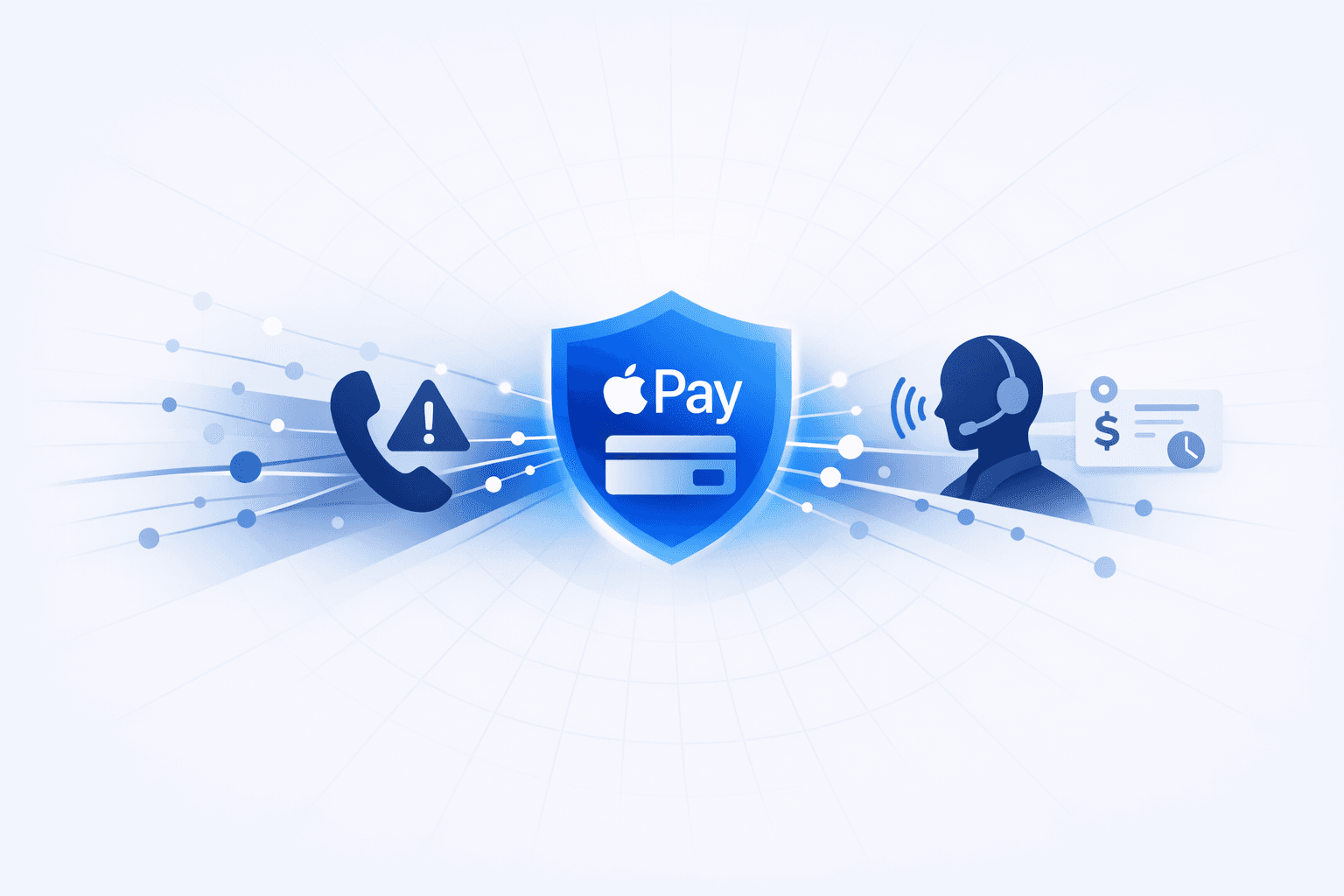
Separate Apple-themed scams use phishing-to-phone and SMS lures to route victims to scam call centers and harvest credentials and financial information. One email purporting to be from an “Apple Fraud Prevention” team attempts to panic recipients into calling a fake support number, while an “Apple Security Alert” Apple Pay text claims a suspicious $143.95 Apple Store transaction and urges an immediate call to a +1 850-85* number to “cancel” the charge. Another tactic abuses iOS Calendar subscriptions (“iPhone Calendar Scam”) to flood devices with fake security/prize alerts that push users to click malicious links; guidance emphasizes unsubscribing from the rogue calendar and avoiding interacting with the spam invites.
Why it matters
Impact assessment
Consumer users of Apple, Avast, McAfee, Webroot, and Norton-branded services are being targeted by coordinated brand-impersonation phishing, smishing, and tech-support fraud. The primary impact is theft of payment card data, account credentials, personal information, and in some cases remote access to victim devices, creating direct financial loss and follow-on account compromise risk.
The exposure is broad rather than narrowly targeted, with multiple parallel lures using common consumer security and technology brands. There is no evidence here of malware-driven enterprise compromise, but there are active social-engineering incidents in the wild, including live operator involvement through scam call centers and a Tawk.to-backed chat workflow on a fake Avast portal.
Supporting facts
- Targeted brands/entities:
- Avast
- Apple
- McAfee
- Webroot
- Norton
- Tawk.to
- Affected user populations:
- French-speaking users targeted by the fake Avast portal
- Apple users targeted via phishing email, SMS, and rogue iOS calendar subscriptions
- General consumers receiving fake antivirus renewal and billing notices
- Impact types observed:
- Payment card theft, including CVV collection
- Credential theft
- Personal information theft
- Fraudulent charges and refund fraud
- Remote-access fraud via fake support interactions
- Reputational abuse of trusted consumer brands
- Known active incidents:
- Fake Avast portal observed collecting card details
- Apple-themed phishing-to-phone and SMS scams tied to scam call centers
- Ongoing McAfee, Webroot, and Norton renewal/cancellation scam activity
- Scope:
- Widespread consumer scam ecosystem using recurring billing, refund, and fraud-alert themes across multiple brands