Iran-Linked Hackers Hit UK Power Plant as US Water Utilities Face Related Threats
Sector Threat Intelligence · 28 sources · Updated 3mo ago · First seen Aug 20, 2026
A small UK power plant was reportedly forced offline for four days after an intrusion attributed to Iran-linked hackers, marking what has been described as the first confirmed cyber-induced shutdown of a British power facility. The outage did not affect the broader electricity grid, but the incident was reported to the UK's National Cyber Security Centre and prompted warnings to energy operators about heightened risks to critical infrastructure.
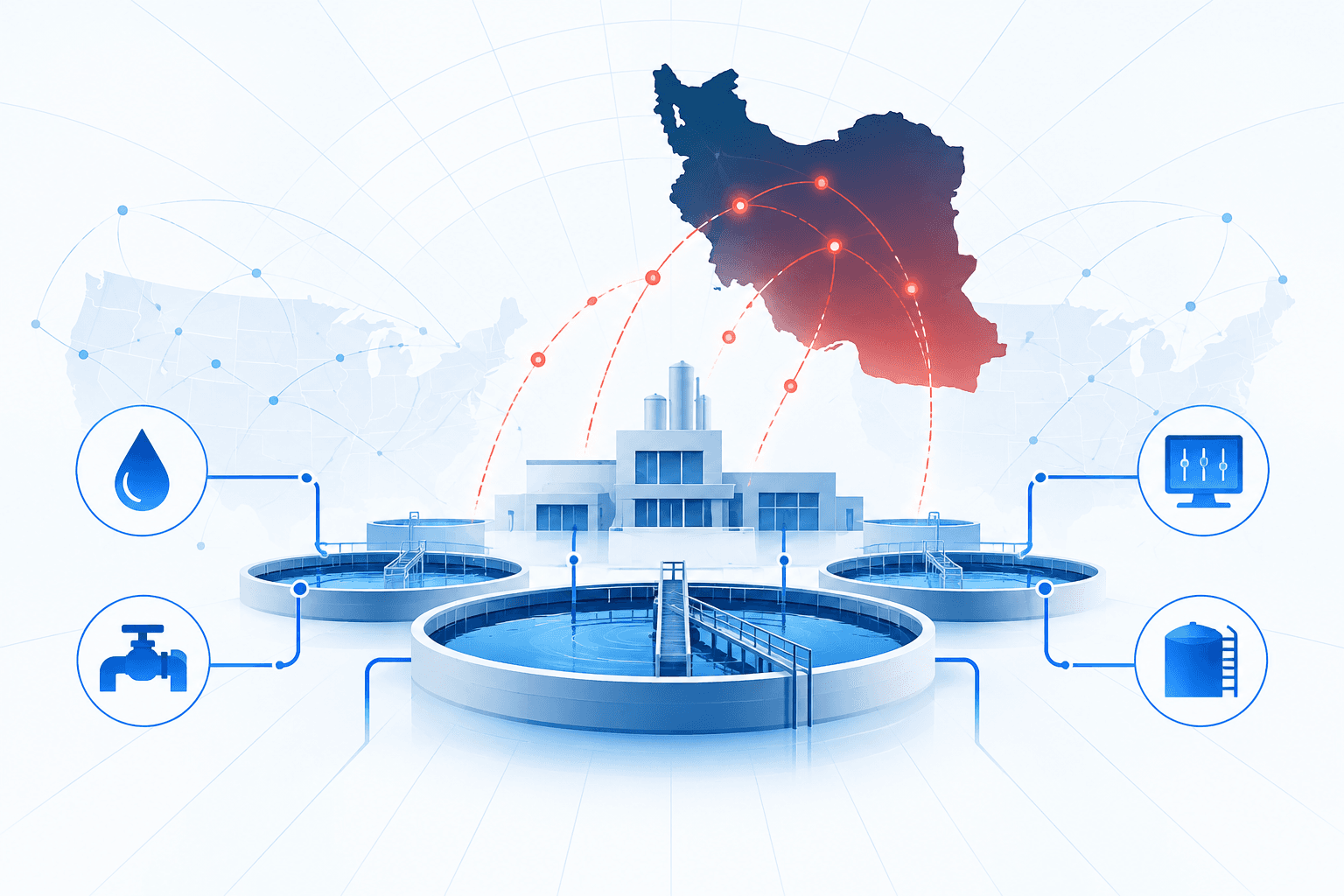
The activity coincided with a broader wave of suspected Iranian operations targeting water and wastewater systems in the United States, where officials linked attacks across 12 states to flooding, pressure loss, and boil-water advisories. In New Jersey, Hamilton Township Municipal Utilities Authority disclosed a cyber threat and said the extent of unauthorized access remained unclear, adding to concerns that water utilities are among the sectors facing sustained hostile probing and disruption.
Why it matters
Summary
A cyber incident caused an unnamed UK small-scale generator, reportedly a 15 MW gas-fired peaking plant, to remain offline for approximately four days in July 2026; the wider UK grid and customers were unaffected. Separately, malicious activity targeted more than 100 internet-exposed US water and wastewater systems in July, demonstrating widespread, repeatable operational-technology (OT) exposure across smaller utilities.
Affected populations and severity
- UK energy: Small and distributed generators, especially remotely operated sites with limited OT security staffing and recovery capacity, face operational unavailability risk. The confirmed UK outage did not affect national energy security or customer supply.
- US water and wastewater: Primarily small and rural utilities across at least 12 states were targeted, including systems in Minnesota, Michigan, Georgia, South Dakota, New Jersey, and Alabama.
- Safety and service risk: In the US activity, attackers changed PLC IP addresses and passwords and, in some cases, disabled shutdown processes and alarms. This can remove operator visibility and control, create unsafe process conditions, and disrupt water or wastewater operations.
- Known effects: US reporting describes loss of monitoring/control and some operational disruption during response, but no significant widespread water-supply or public-health impact was confirmed. Reports of flooding, pressure loss, and boil-water advisories are not consistently corroborated across the supplied sources.
Scope and attribution
- The US campaign is a systemic exposure problem: PLCs directly connected to the internet through cellular modems, often without intervening firewalls or secure gateways, were repeatedly targeted.
- Iran or Iran-affiliated actors are suspected in both the UK and US activity. Neither the UK government/NCSC nor the US government publicly made a conclusive attribution for these specific incidents.
- No public technical evidence establishes that the UK generator incident used the same methods, infrastructure, malware, or actors as the US PLC campaign.