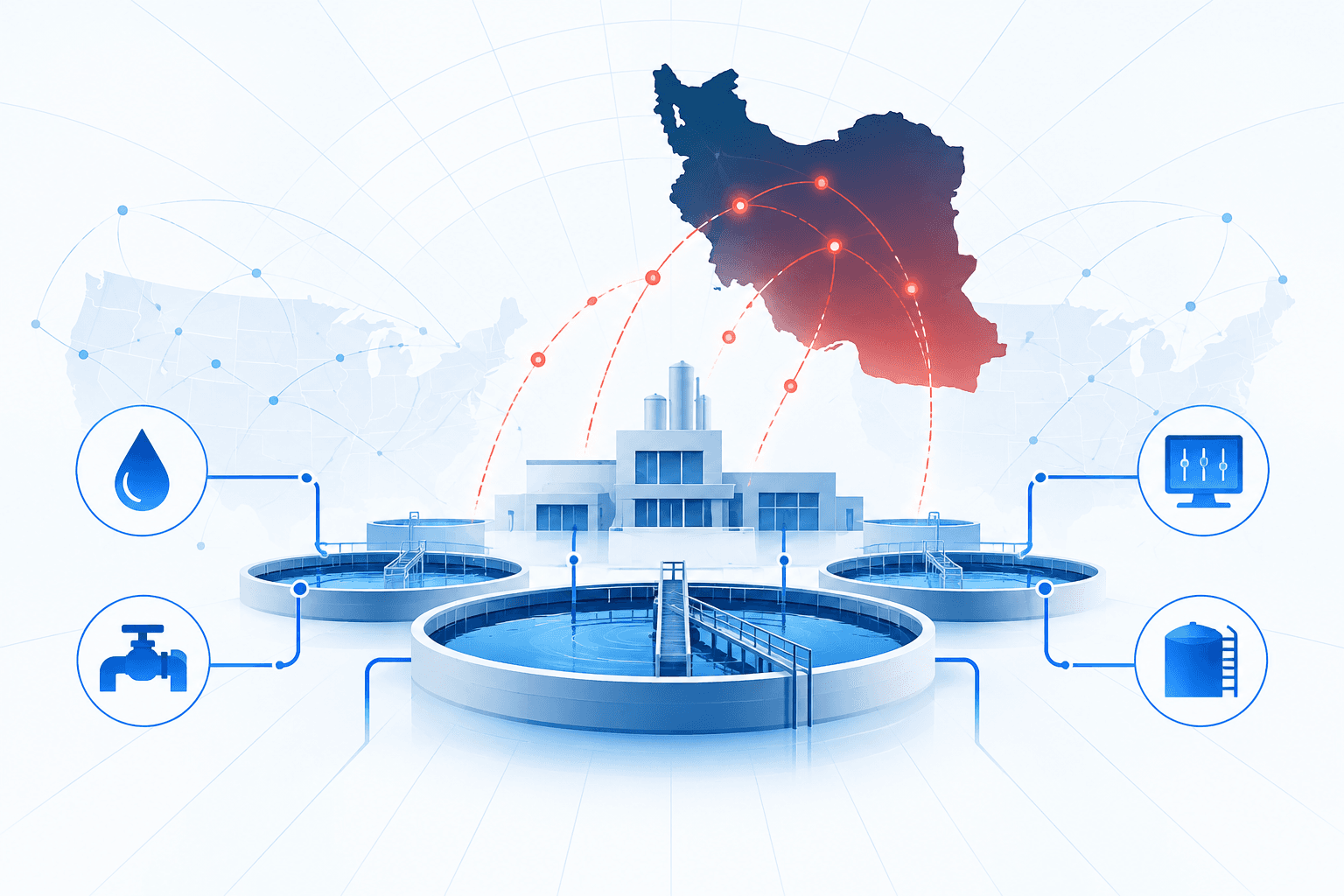
Iran-Linked Hackers Target 100 US Water Utilities Amid Infrastructure Probing
Sector Threat Intelligence · 3 sources · Updated 3mo ago · First seen Sep 2, 2026
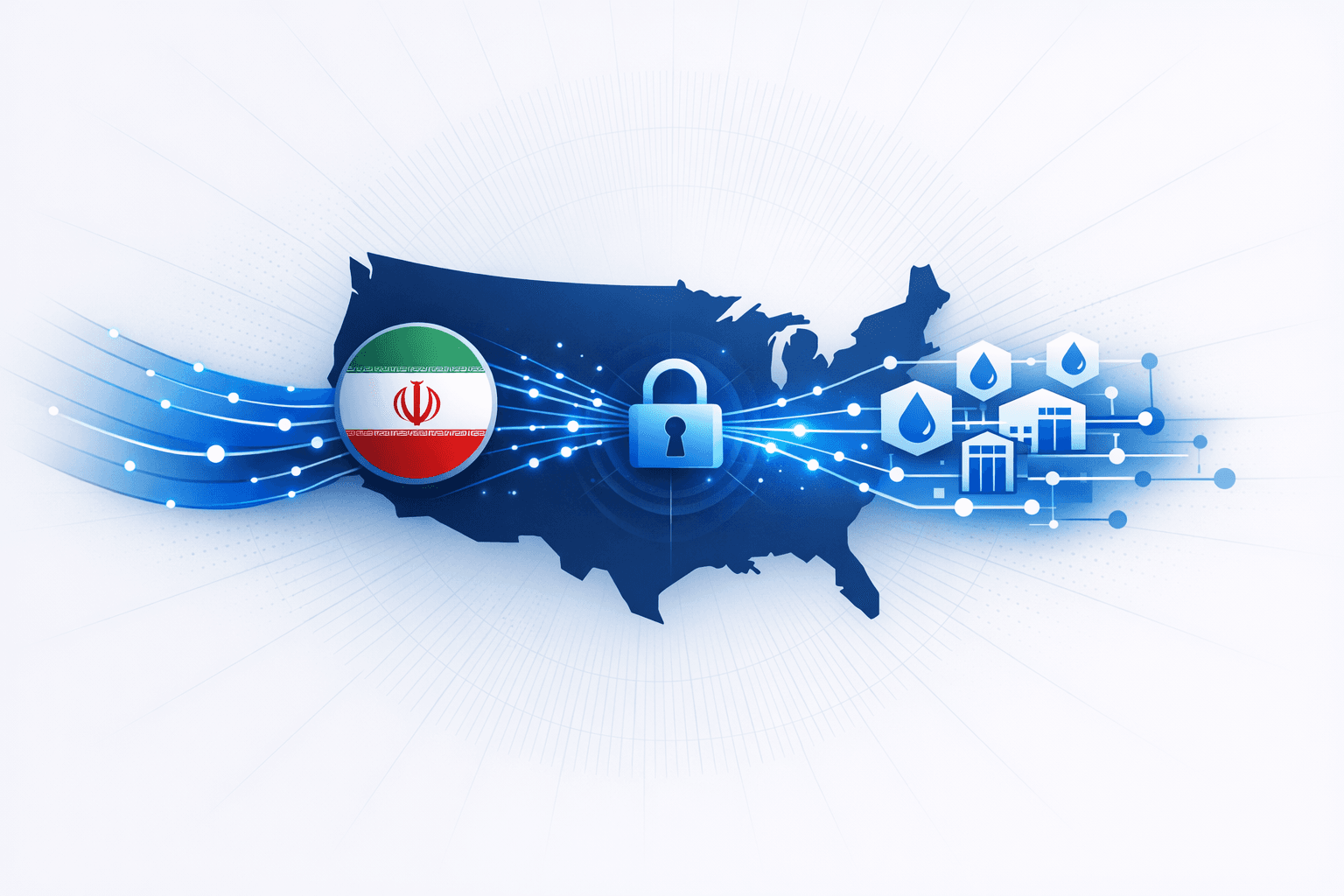
Iran-linked hackers reportedly targeted 100 U.S. water utilities amid heightened U.S.-Iran military tensions. Broader activity has also sought access to internet-exposed water, energy, and telecommunications systems, with attackers appearing to focus on reachable operational environments and other remotely accessible infrastructure.
There is no public evidence that the activity caused major disruption or achieved a strategic cyberattack, but the attempted access and reconnaissance could enable future operations and signal coercive intent. The EPA is providing $11 million to strengthen water-sector cybersecurity; infrastructure operators should restrict remote access, rotate credentials, segment operational technology, improve logging, and test incident-response plans.
Why it matters
Impact assessment
Iran-linked activity reportedly breached or targeted more than 100 U.S. water-sector entities across at least 12 states, while related reconnaissance sought access to internet-exposed energy and telecommunications systems. Small municipal utilities are at greatest risk because aging OT, limited security staffing, and remotely accessible administration create comparatively weak entry points.
Available reporting contains conflicting outcome claims: one source reports breaches of more than 100 entities, while another assesses the reported operations as unsuccessful and finds no public evidence of major service disruption or a strategic cyberattack. No confirmed water-supply manipulation, physical damage, or widespread outage is public; however, unauthorized OT access could produce service interruption, unsafe process changes, financial loss, regulatory exposure, and public-confidence damage.
Supporting facts
- Affected sectors: water utilities, energy, telecommunications, and other critical infrastructure; U.S. officials also cite defense, news, shipping, travel, finance, and government-related targets.
- Geographic scope: reported U.S. water-sector activity spans at least 12 states; alleged targeting also spans Europe and the Middle East.
- Known exploitation: reported unauthorized access or breaches are claimed, but public reporting does not establish the affected utilities, initial-access method, persistence, operational effects, or actor attribution for each incident.
- Funding: the U.S. Environmental Protection Agency is providing $11 million to improve water-system cybersecurity.
Entity attribution
- Amir Yaryab: alleged by the U.S. State Department to lead the Islamic Revolutionary Guard Corps Cyber-Electronic Command (IRGC-CEC).
- Alleged IRGC-CEC-associated groups: CyberAv3ngers, Dadeh Afzar Arman (DAA), Mehrsam Andisheh Saz Nik (MASN), Shahid Hemmat, and Shahid Shushtari.
- Attribution remains unconfirmed for the current infrastructure activity; reporting does not establish whether incidents were directed by Iran, conducted by affiliated groups, or performed by sympathetic independent actors.