Iran-Linked Attacks Expose U.S. Water Utility OT Weaknesses
Sector Threat Intelligence · 3 sources · Updated 2mo ago · First seen Sep 28, 2026
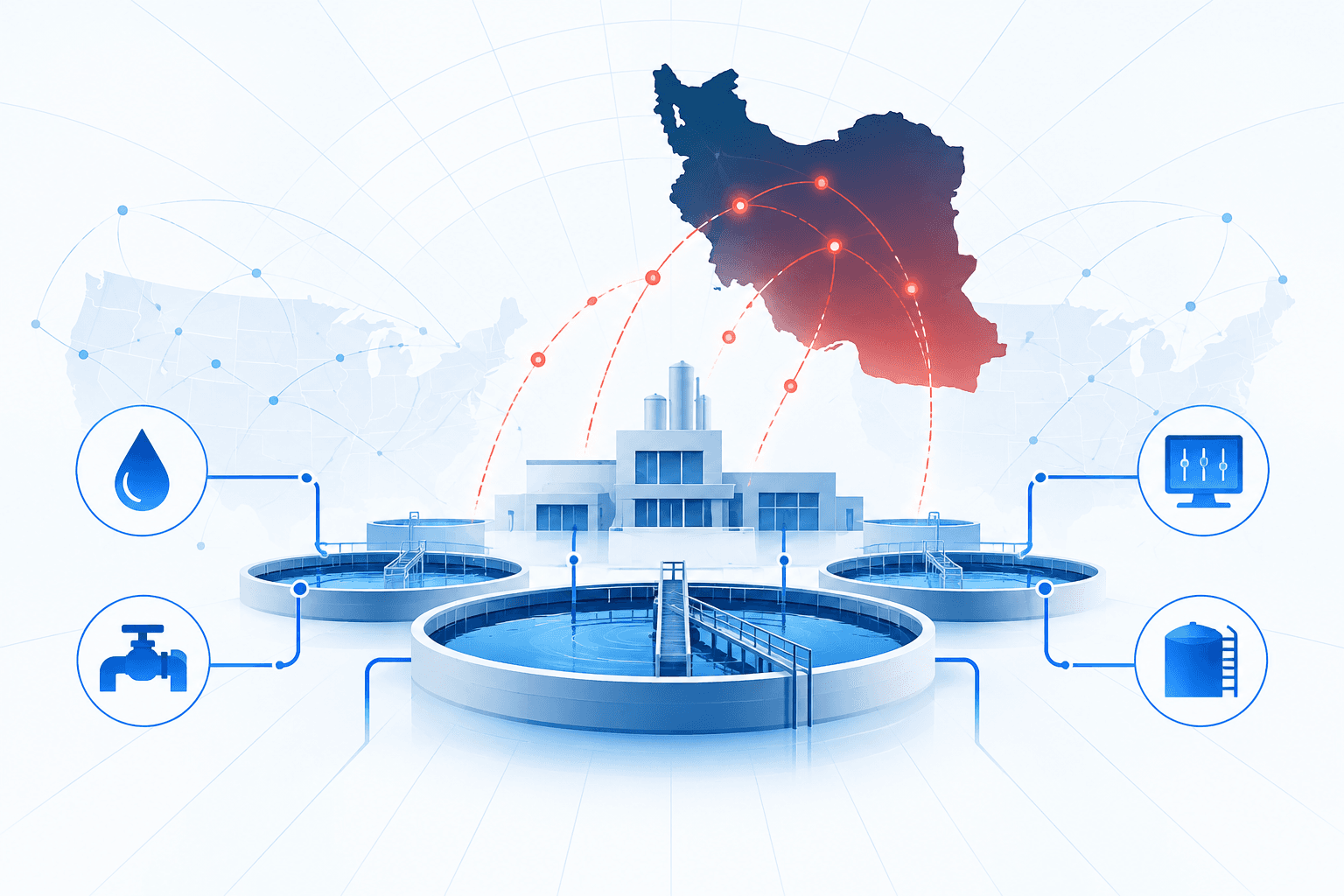
U.S. water-sector officials warned that attacks attributed by the government to Iran targeted water facilities over the summer, while Iran-linked and pro-Russian actors have also been alleged to target small East Coast utilities. Reported targets included internet-accessible operational technology, such as Eclipse 9800i-series monitoring and flushing stations and PLCs that manage chlorine residuals; however, the specific advisory describing those systems did not identify victims or provide indicators of compromise, forensic evidence, or independently verified attribution.
WaterISAC said aging, exposed OT and PLCs, insecure systems-integrator connections, phishing, and weak cyber hygiene—particularly at smaller utilities—remain key intrusion paths. CISA has also warned that Russian and Chinese actors may pose threats to the sector. WaterISAC is partnering with Cyware to expand threat-intelligence sharing and provide smaller utilities with stronger cross-sector defensive support.
Why it matters
Impact assessment
U.S. water and wastewater utilities, especially small and resource-constrained operators, face a material operational and public-safety risk from unauthorized access to internet-exposed PLCs and other OT assets. Reported activity in late July 2026 involved attackers changing PLC passwords and IP addressing to deny operator access; successful compromise could disrupt treatment, storage, distribution, or chlorine-residual management.
- Scope: The United States has nearly 50,000 community water systems and more than 16,000 wastewater systems; more than 80% of utilities serve 3,300 people or fewer and may lack mature OT security capabilities.
- Primary exposure: Internet-facing PLCs, legacy OT, inadequately segmented integrator/vendor connections, weak or shared credentials, missing MFA, outdated firmware, and unpatched software.
- Severity: A compromise can impair monitoring and control of physical processes, delay operator response, cause service disruption, and create potential water-quality and regulatory consequences.
- Exploitation: NIST reports a significant rise in attacks in late July 2026 and unauthorized remote access to poorly configured internet-facing PLCs. Government attribution of summer activity to Iran is reported by WaterISAC/CyberScoop, but the cited Eclipse 9800i and TRK25-ADVANCED allegations lack victim names, IOCs, forensic evidence, dates, and independent attribution support.
Affected entities and systems
- U.S. water and wastewater utilities, with heightened risk to smaller utilities.
- SCADA systems, PLCs, HMIs, remote-access infrastructure, and systems-integrator connections.
- Alleged but unverified targets: Eclipse 9800i-series intelligence monitoring and flushing stations and PLCs managing chlorine residuals.