Iran-Linked Cyberattack Forces UK Power Generator Offline
Sector Threat Intelligence · 2 sources · Updated 3mo ago · First seen Sep 8, 2026
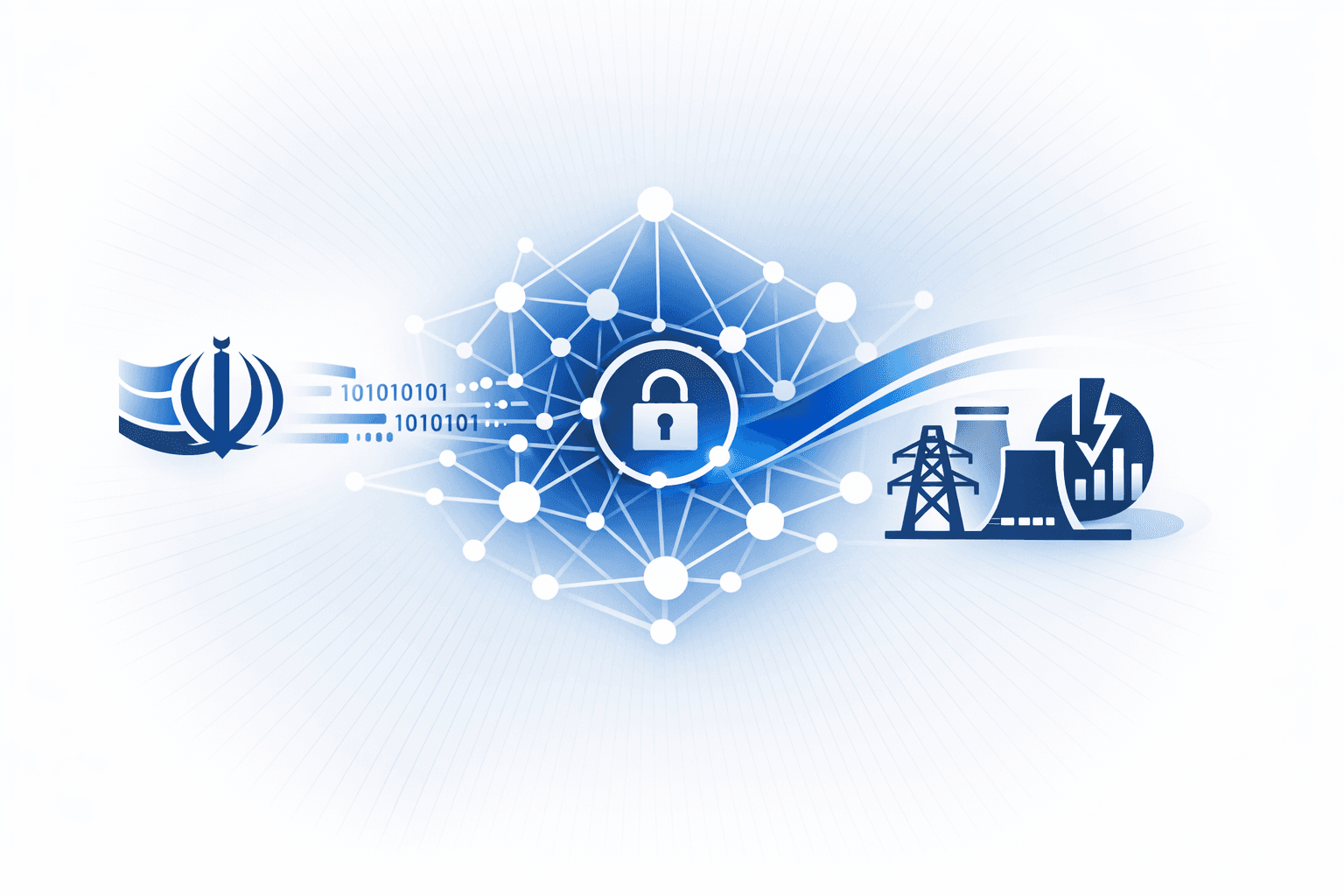
A reported Iran-linked cyberattack forced a small UK power generator offline for four days, marking a potential escalation in threats to connected industrial systems. The UK government confirmed that a small-scale generator was affected but said the wider electricity system was not endangered; it did not identify the facility or confirm whether operational-control systems were directly compromised. Reporting indicated attackers may have reached an internet-exposed programmable logic controller (PLC) using default credentials before changing its configuration and locking out access.
The incident follows National Cyber Security Centre reporting of more than 200 cyber incidents affecting UK critical infrastructure in the prior year, roughly three-quarters of which were believed to involve state actors. Organizations operating IT and operational technology should remove OT assets from public internet exposure, eliminate default credentials, enforce MFA and least privilege, segment IT and OT networks, tightly control remote access, prioritize high-risk patches, and test offline backups and incident-response procedures—including authority to isolate suppliers or disconnect affected systems.
Why it matters
Impact assessment
A reported Iran-linked intrusion caused a small UK power generator to remain offline for four days. The UK government confirmed the affected asset was a small-scale generator and stated that the wider UK electricity system was not at risk; the facility, location, and direct impact on operational-control systems remain undisclosed.
- Affected populations: operators of power generation, water, healthcare, telecommunications, manufacturing, logistics, and smart-building OT environments, particularly those operating remotely managed or internet-reachable assets.
- Operational impact: manipulation or loss of access to a PLC can force shutdowns, delay restoration, and disrupt physical processes. Outages at peaker plants can be especially consequential because they are intended to supply electricity rapidly during periods of high demand.
- Exposure scope: internet-exposed PLCs, legacy OT, small generators, and third-party maintenance paths create broad cross-sector exposure. Smaller operators may retain connections to nationally important services while falling outside major regulatory thresholds.
- Exploitation status: this is a reported real-world incident. Attribution to Iranian hackers and the reported PLC attack path have not been independently confirmed in the provided material. No evidence indicates wider UK grid compromise.
Structured facts
- Entity: UK government; confirmed impact to an unnamed small-scale UK generator.
- Entity: UK National Cyber Security Centre (NCSC); reportedly recorded more than 200 UK critical-infrastructure cyber incidents in the preceding year, with approximately 75% assessed as state-linked.
- Reported duration: four days offline.
- Sectors identified as high-risk: energy, water, healthcare, telecommunications, manufacturing, logistics, and smart-building management.
- Date discrepancy: one source places the outage in July; another places it in August. The incident date is not resolved by the supplied reporting.