Rising Risk of State-Linked Attacks on Power Grids and Operational Technology
Sector Threat Intelligence · 2 sources · Updated 5mo ago · First seen Mar 5, 2026
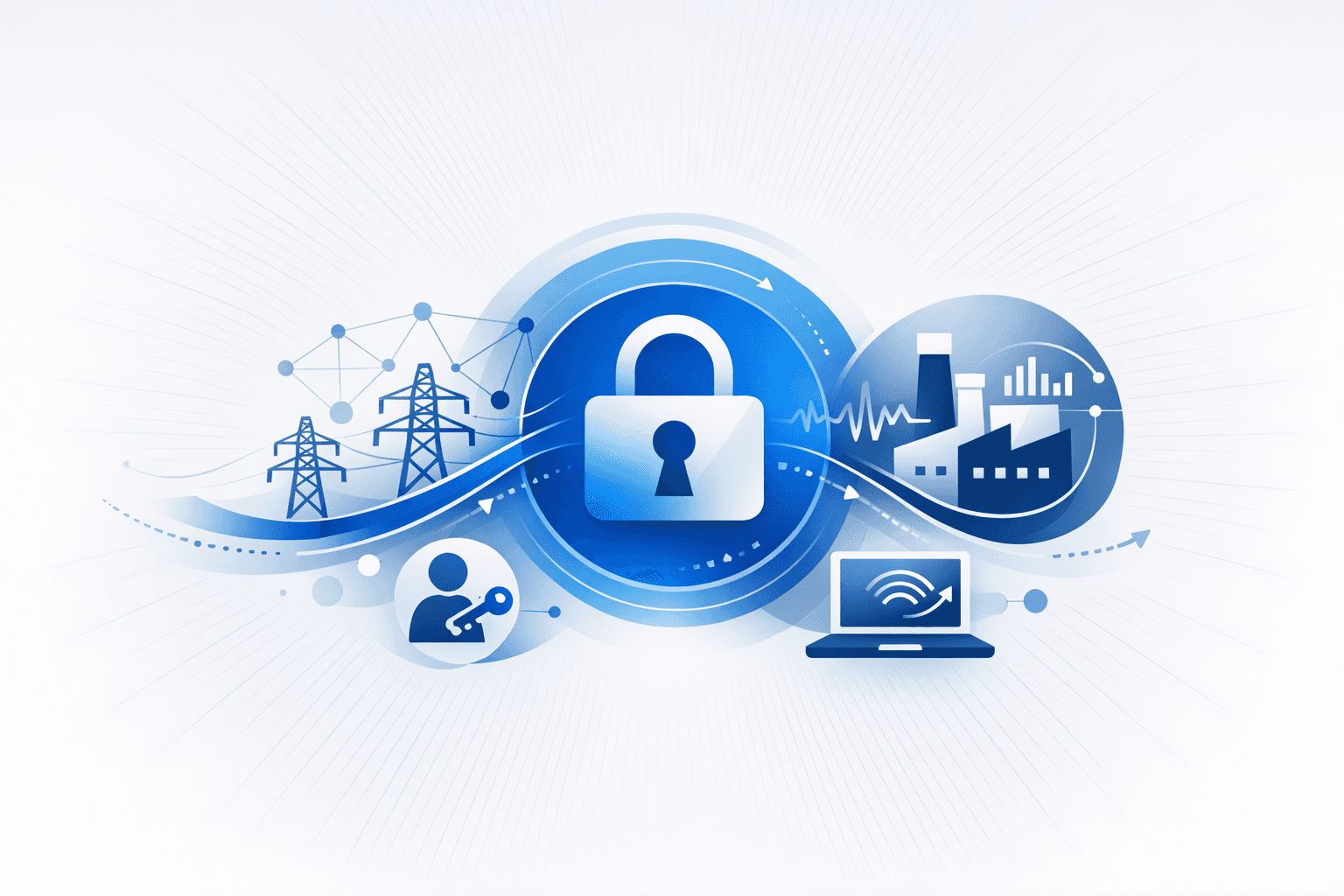
Reporting highlighted growing concern that state-affiliated and state-linked actors are positioning for disruptive attacks against operational technology (OT) and critical infrastructure, with activity that may be difficult for operators to detect. A Codific analysis described five common pathways seen in disruptive grid-focused intrusions—often beginning with human error or exposed perimeter services, then escalating through credential theft, remote access exploitation (e.g., VPNs/gateways), ransomware, and misuse of legitimate industrial commands that can delay operations and complicate detection and recovery; it also warned that attacks on virtualized environments can hinder restoration efforts and that cascading impacts could be severe (e.g., Lloyd’s “Business Blackout” scenario estimating losses up to $1T). Recommended mitigations emphasized proven controls such as phishing-resistant MFA and IT/OT segmentation, rather than novel defenses.
Separate commentary and media content also pointed to OT becoming a frontline in geopolitical escalation, including claims of a coordinated campaign tied to Iran-linked hacktivist activity targeting OT devices such as Unitronics PLCs used in water and industrial facilities, alongside psychological operations and SMS spoofing. Other items in the set were leadership/career/podcast-style content without specific incident or vulnerability detail and do not materially add to the OT/power-grid threat reporting.
Why it matters
Impact assessment
State-linked and state-affiliated threat activity against power grids and OT environments presents high-consequence risk to electric utilities, water and industrial operators, and other critical infrastructure owners that rely on remote access, virtualized restoration systems, and interconnected IT/OT networks. The most severe outcomes are operational disruption, delayed restoration, safety impacts, major financial loss, and reputational damage; referenced scenario modeling cites potential macroeconomic losses up to $1 trillion in a large-scale blackout event.
Summary
The exposure is broad across critical infrastructure rather than limited to a single vendor or CVE, and the reporting indicates adversaries are preparing for disruptive operations that may be difficult for operators to detect because they can blend malicious activity with legitimate industrial commands. There are known precedents for this tradecraft in the wild, including spearphishing-linked grid intrusions such as the 2015 Ukraine power grid attack, and separate reporting cites Iran-linked activity targeting OT devices including Unitronics PLCs.
Structured facts
- Affected sectors: electric utilities, power grid operators, water facilities, industrial facilities, and other OT-dependent critical infrastructure.
- Affected technologies: OT environments, remote access infrastructure such as VPNs and gateways, virtualized environments used for restoration, and industrial control devices.
- Threat actors: state-affiliated and state-linked actors; separate commentary references Iran-linked hacktivist activity.
- Named entities: Codific, Dr. Dag Flachet, Lloyd’s, Unitronics.
- Severity drivers:
- Operational disruption to grid and industrial processes.
- Delayed recovery when virtualized restoration systems are impacted.
- Detection difficulty when attackers misuse legitimate industrial commands.
- Potential cascading systemic disruption beyond the initially affected operator.
- Scope: widespread strategic exposure across critical infrastructure operators, with targeted intrusion risk highest for organizations with exposed perimeter services and weak IT/OT separation.
- Known incidents/precedents:
- 2015 Ukraine power grid attack cited as an example of spearphishing-based entry.
- Reporting references claims of coordinated Iran-linked activity targeting Unitronics PLCs in water and industrial facilities.