Rising OT Threat From Credential Abuse and 'Living-off-the-Plant' Techniques
Sector Threat Intelligence · 2 sources · Updated 5mo ago · First seen Feb 10, 2026
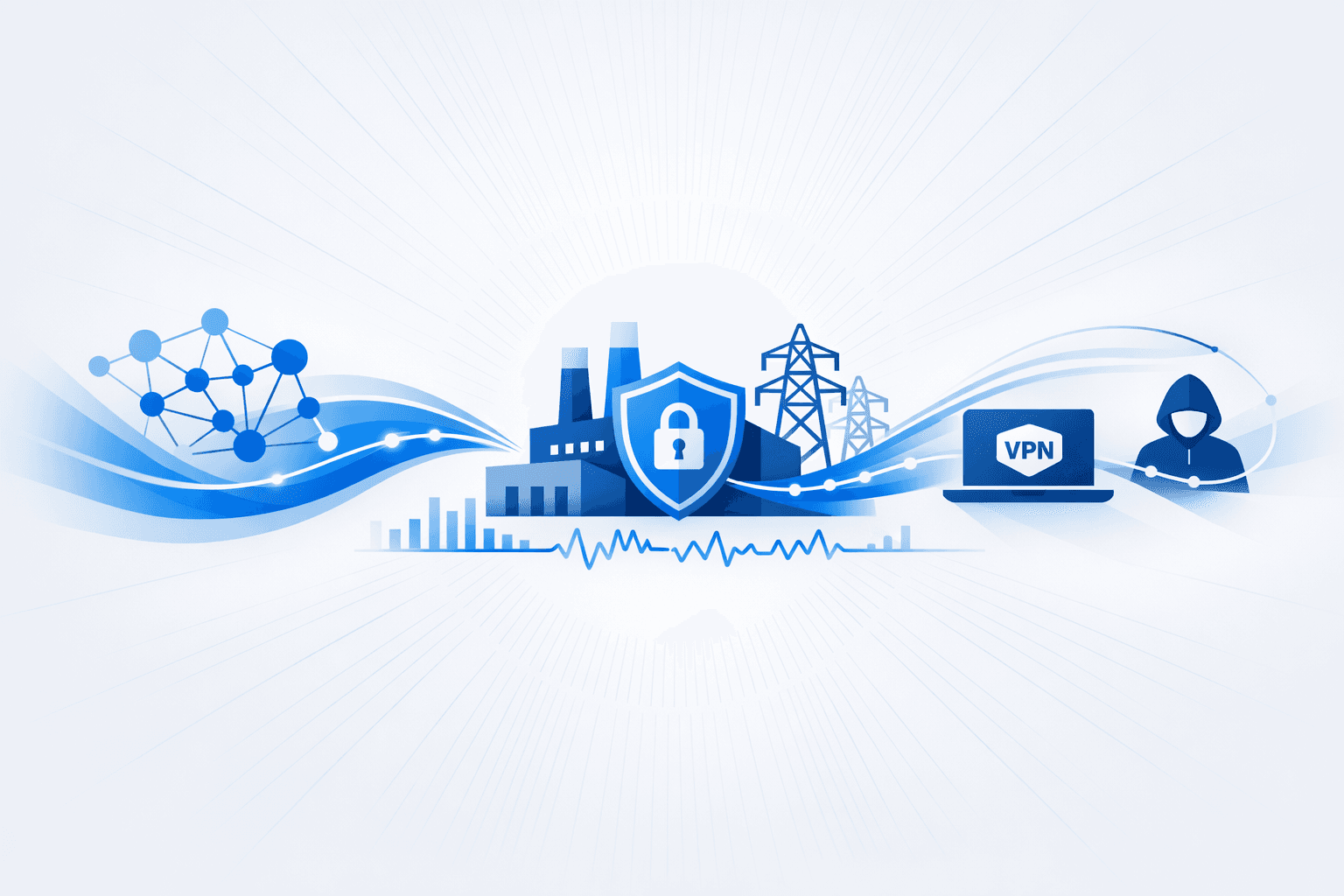
Security reporting and expert commentary warn that operational technology (OT) environments remain highly exposed due to fragile access controls and that attacker capability is trending toward more dangerous, process-aware operations. Lessons drawn from the 2015 Ukraine power grid disruption emphasize that remote connectivity, vendor access, and broad VPN permissions can become the “soft underbelly” of critical infrastructure, with recurring real-world examples of disruption tied to misused remote access and stolen credentials (including the Colonial Pipeline shutdown following a compromised password). The core takeaway is that OT systems are no longer “too specialized” to be targeted, and that common enterprise intrusion paths—credential compromise and remote access abuse—continue to translate into operational impact when they bridge into industrial environments.
Separately, OT-focused threat analysis highlights early signs that attackers are gaining the “process comprehension” historically missing from many intrusions into industrial systems. A forthcoming RSA Conference 2026 presentation is expected to demonstrate “living-off-the-plant” techniques—analogous to living-off-the-land in IT—where adversaries leverage native industrial tooling and legitimate functions inside plants to blend in and potentially manipulate physical processes. The reporting argues that “security by obscurity” (attackers’ unfamiliarity with bespoke/legacy OT) has limited the severity of many incidents so far, but that this advantage is eroding as adversaries become more comfortable operating within industrial environments, increasing the risk of more consequential OT attacks.
Why it matters
Impact assessment
OT operators in critical infrastructure, manufacturing, water, energy, and other industrial sectors are affected because the story highlights systemic weaknesses in remote access, credential hygiene, and visibility across industrial environments. The impact can be severe: misuse of VPN access, vendor connectivity, or default credentials can translate from routine enterprise compromise into plant shutdowns, service disruption, safety risk, and prolonged recovery requiring on-site restoration.
The exposure is broad rather than tied to a single product or CVE. The reporting cites known real-world incidents, including the 2015 Ukraine power grid disruption, the 2021 Colonial Pipeline shutdown following a compromised password, and an April attack on a dam in western Norway using default HMI credentials, showing that exploitation in the wild is established and recurring.
Supporting facts
- Affected environments: operational technology, industrial control systems, PLC-connected environments, HMIs, vendor remote access paths, and converged IT/OT networks.
- Affected sectors referenced: electric power, fuel distribution, dams/water-related infrastructure, manufacturing, and broader critical infrastructure.
- Business consequences described: power outage, fuel distribution shutdown, operational downtime, slow recovery, and field-intensive restoration.
- Exposure drivers: broad VPN permissions, limited visibility into remote user actions, default credentials, weak authentication, weak logging, and unstable legacy devices that are difficult to scan or patch.
- Scope: widespread structural exposure across OT environments with long technology lifecycles and uneven security maturity.
- Known incidents referenced:
- Ukraine power grid attack on 2015-12-23 attributed in the story to Russian nation-state actors.
- Colonial Pipeline 2021 shutdown tied in the story to a compromised password.
- April attack on a dam in western Norway using default credentials on an Internet-exposed HMI.