Exposed Docker APIs Enable Container Breakouts, DDoS Malware, and Host Compromise
Attack Surface Exposure · 3 sources · Updated 4mo ago · First seen Dec 21, 2021
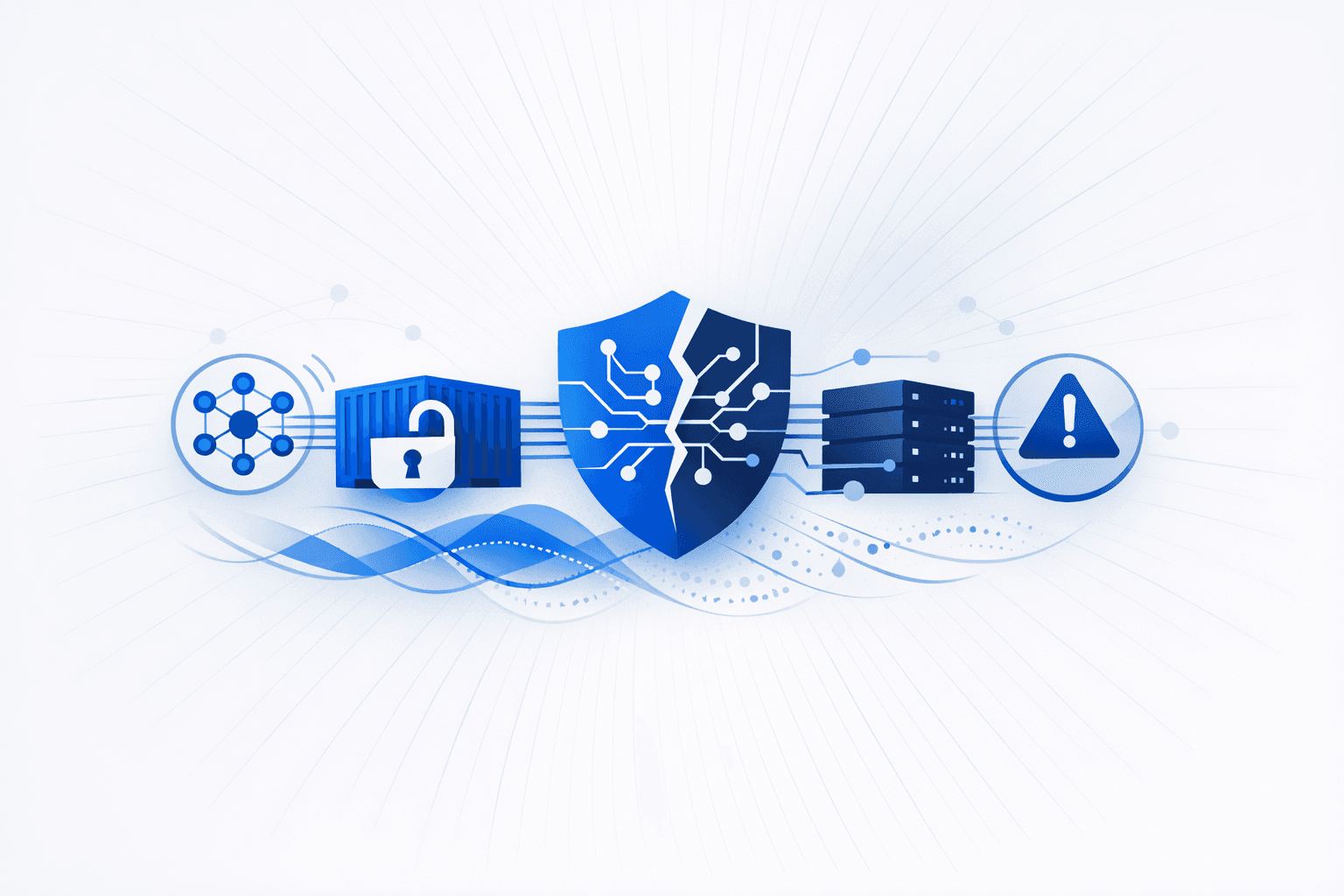
Attackers have been abusing improperly exposed Docker daemon APIs, especially unauthenticated services on port 2375, to take control of running containers and deploy malware. One documented campaign used the Dofloo (AESDDoS) Trojan to enumerate containers and run malicious payloads with Docker commands, giving operators DDoS capability, host profiling data, and a foothold for follow-on activity such as cryptojacking or broader system compromise.
Public tooling has also lowered the barrier to exploiting these weaknesses. The BOtB container assessment tool demonstrates how exposed Docker daemons, privileged container configurations, Kubernetes service account exposure, metadata service access, Linux kernel keyring leakage, and even runc escape flaw CVE-2019-5736 can be used to break out of containers or extract secrets in CI/CD and live environments. Docker’s guidance recommends protecting the daemon socket and restricting remote API access to trusted systems, underscoring that exposed or misconfigured container management interfaces can quickly turn a single container issue into host-level compromise.
Why it matters
Impact assessment
Exposed Docker daemon APIs create a direct path from Internet exposure to container takeover and potential host compromise. The affected population includes any organization running Docker Engine with remote API access exposed, especially unauthenticated TCP/2375 services, along with CI/CD and Kubernetes-connected container environments that permit privileged execution or secret exposure.
The impact is high because attackers can enumerate containers, execute commands inside them, deploy DDoS malware or cryptominers, steal cloud and Kubernetes credentials, and in some cases escape to the host for root-level control. Exposure is widespread rather than narrowly targeted because attackers have historically conducted Internet-wide scanning for open Docker APIs, and there are documented incidents of in-the-wild exploitation using Dofloo/AESDDoS and prior cryptojacking campaigns.
Supporting facts
- Affected products and environments:
- Docker Engine / Docker daemon with remote API exposed
- Unauthenticated and unencrypted Docker API on TCP/2375
- Containers with access to docker.sock
- Privileged containers with dangerous Linux capabilities and permissive seccomp profiles
- Kubernetes workloads with mounted service account tokens
- Cloud-hosted containers with reachable metadata services
- Business and operational consequences:
- Unauthorized command execution in running containers
- Host profiling and exfiltration of system information to attacker C2
- DDoS botnet enrollment via Dofloo/AESDDoS
- Potential cryptojacking deployment
- Container breakout and host-level compromise
- Exposure of Kubernetes and cloud credentials that can expand compromise scope
- Known exploitation in the wild:
- Trend Micro documented active scanning and abuse of exposed Docker APIs
- Attackers used docker exec to deploy Dofloo into discovered containers
- Prior campaigns abused exposed Docker services for Monero mining and other malware deployment
- Reporting also references campaigns chaining exposed Docker APIs with runc escape CVE-2019-5736