AESDDoS Botnet Hijacks Containers Through Exposed Docker API
Attack Surface Exposure · 1 source · Updated 4mo ago · First seen Jun 14, 2019
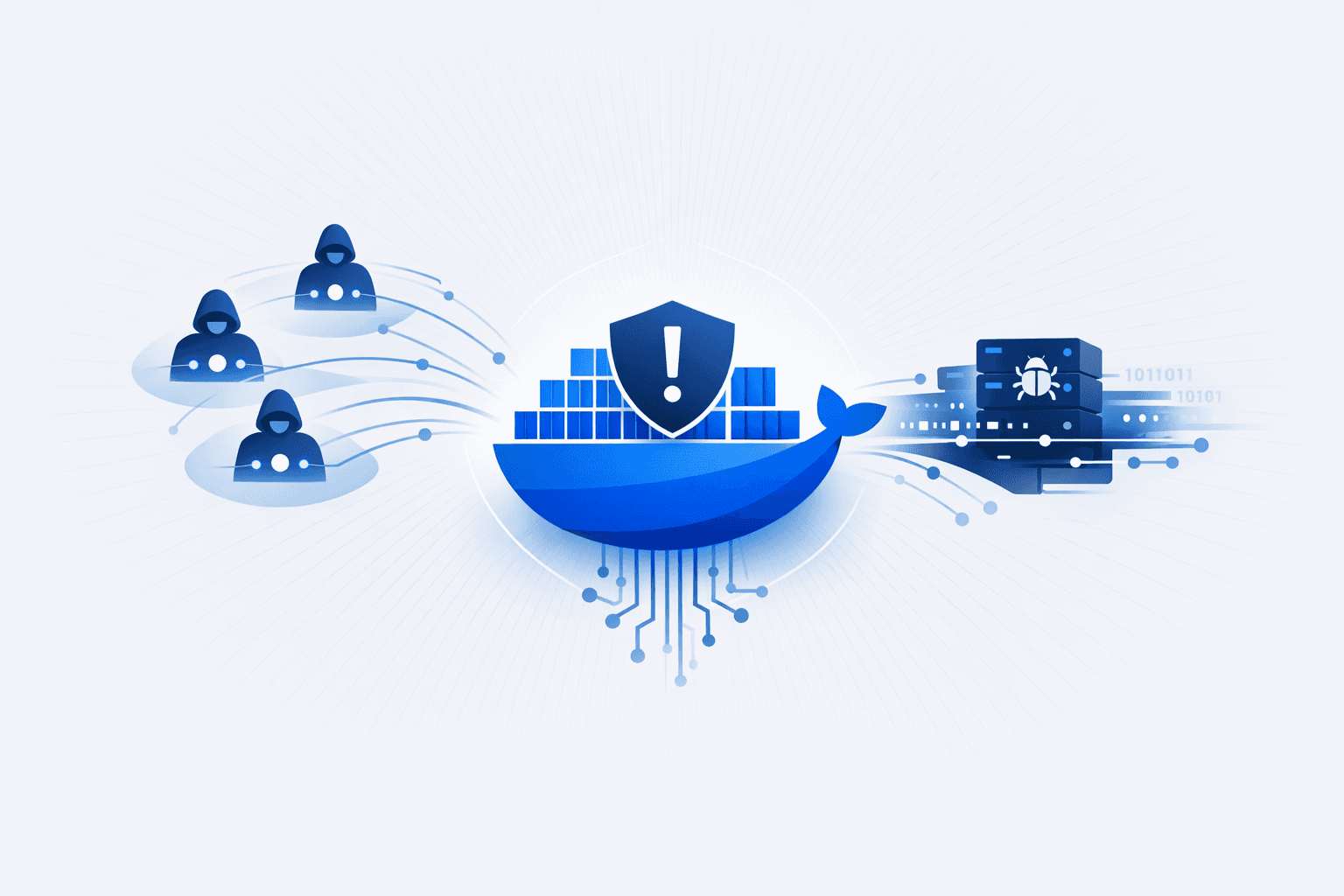
Attackers abused misconfigured Docker Engine instances that exposed the unauthenticated Docker API on port 2375, using it to enumerate running containers and execute malware inside them. Trend Micro reported that the campaign leveraged docker exec to deploy an AESDDoS payload detected as Backdoor.Linux.DOFLOO.AA, giving operators the ability to run distributed denial-of-service attacks from compromised container environments.
The activity relied on scanning IP ranges for hosts with port 2375 open and using a toolkit distributed in a ZIP archive named 2375-SYNG口漏洞.zip, which included utilities such as WinEggDrop and a Docker Batch Test Tool to find and exploit vulnerable systems. Researchers warned that exposing the Docker daemon in this way can effectively grant root-level control of the host, and noted that the AESDDoS variant has also been linked to remote code execution and cryptocurrency-mining activity.
Why it matters
Impact assessment
Exposed Docker Engine instances listening on unauthenticated TCP/2375 are directly at risk of container compromise and likely host-level compromise. The impact is high because abuse of the Docker API can let an attacker enumerate containers, execute commands inside them, and potentially gain root-equivalent control of the underlying host.
This exposure is broad wherever Docker Engine-Community was deployed with remote API access enabled and insufficiently restricted, especially in internet-facing cloud and hosting environments. The campaign was observed in the wild and used compromised containers to deploy AESDDoS malware capable of DDoS activity, with related variants also associated with remote code execution and cryptocurrency mining.
Affected entities
- Organizations running Docker Engine-Community with the Docker daemon exposed externally on port 2375
- Cloud, hosting, DevOps, and containerized application environments
- Multi-tenant infrastructure where container compromise can affect adjacent services and business operations
Severity and business risk
- Operational disruption from DDoS botnet enrollment and possible service degradation
- Potential host takeover because the Docker daemon commonly runs with root privileges
- Secondary risk of cryptomining abuse, unauthorized command execution, and persistence in container environments
- Reputational and financial impact if compromised infrastructure is used to attack third parties
Scope and exploitation status
- Scope is opportunistic and potentially widespread because attackers scanned IP ranges for open TCP/2375
- Exploitation in the wild was reported by Trend Micro
- Exposure is configuration-driven rather than tied to a vendor patch cycle, making internal misconfiguration review critical