Attackers Exploit Unsecured Docker Daemons to Deploy Containers and Hijack Hosts
Attack Surface Exposure · 1 source · Updated 5mo ago · First seen May 25, 2026
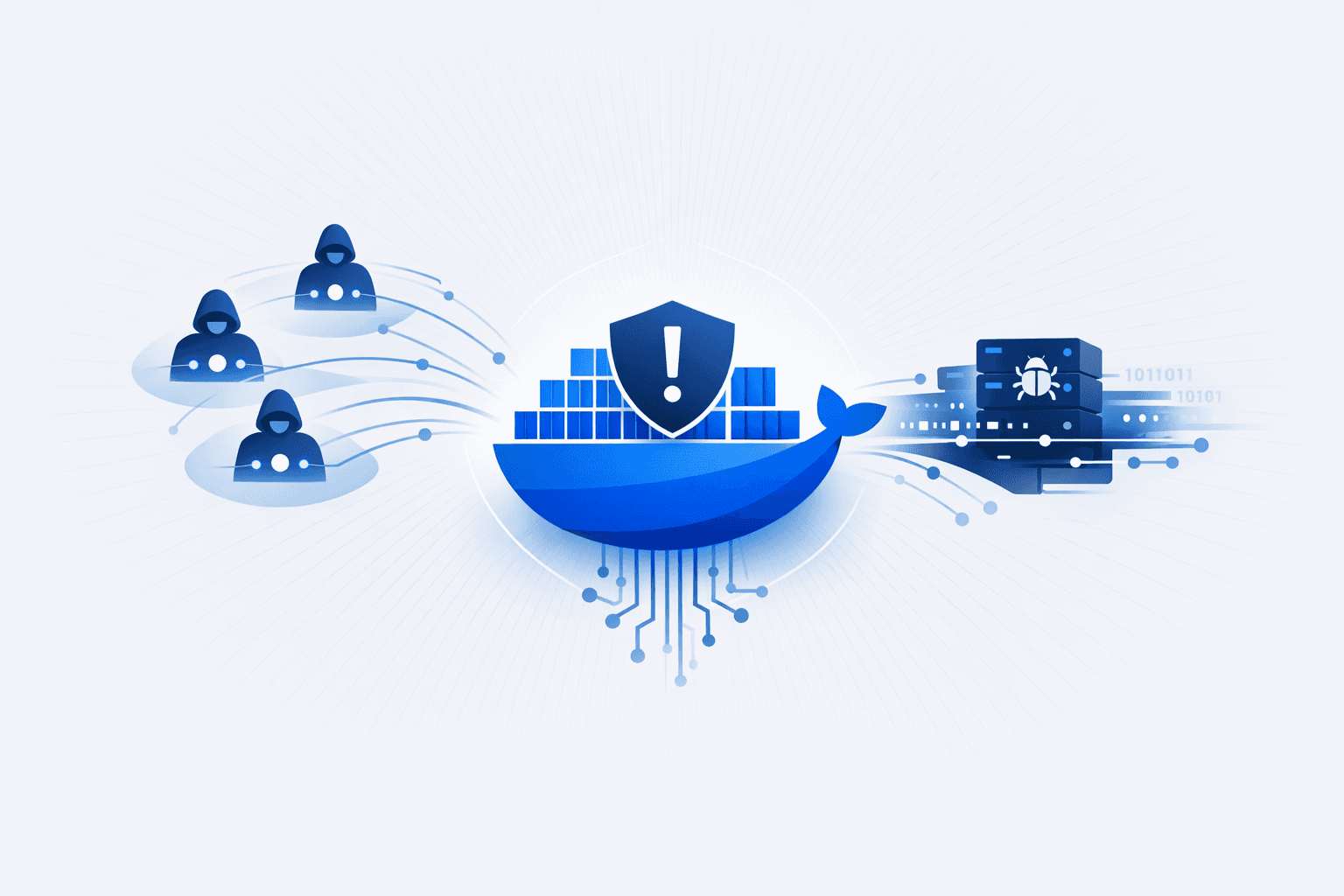
Palo Alto Networks Unit 42 reported that attackers are actively targeting unsecured Docker daemons exposed to the internet, using the Docker API to create and run malicious containers on victim systems. By abusing misconfigured deployments that lack proper access controls, intruders can gain effective control of the underlying host, execute arbitrary workloads, and use compromised infrastructure for follow-on activity such as cryptomining, persistence, and broader cloud or network compromise.
The report details attacker tradecraft focused on exposed container management interfaces, where adversaries issue Docker commands remotely to pull attacker-controlled images and launch privileged containers that can interact with the host environment. The activity highlights a recurring cloud security risk: organizations that leave Docker services reachable without authentication can enable rapid compromise of containerized environments and the systems that support them.
Why it matters
Impact assessment
Unsecured Docker daemons exposed to the internet allow remote attackers to deploy arbitrary containers and effectively take control of the underlying host. The impact is high for organizations running internet-reachable Docker Engine APIs, especially cloud-hosted Linux servers and containerized workloads, because compromise can lead to cryptomining, persistence, lateral movement, and broader cloud or network abuse.
Affected populations
- Organizations exposing Docker Engine remote API endpoints without authentication or network restrictions
- Cloud-hosted Linux servers running Docker
- DevOps, platform engineering, and containerized application environments
- Multi-tenant or production hosts where privileged containers can access host resources
Severity and business impact
- Operational disruption from unauthorized workloads consuming CPU, memory, storage, and network bandwidth
- Financial impact from cryptomining resource theft and cloud cost spikes
- Security impact from host takeover, persistence, credential access, and follow-on compromise of adjacent infrastructure
- Reputational risk if compromised hosts are used for malicious activity or customer-facing services are degraded
Scope and exploitation status
- Exposure is widespread wherever Docker APIs are internet-accessible and unauthenticated
- The activity was reported as active exploitation in the wild by Unit 42
- Risk is highest for misconfigured deployments rather than a software-version-specific flaw
Structured facts
- Entity: Palo Alto Networks Unit 42
- Target: Unsecured Docker daemons exposed to the internet
- Outcome: Remote deployment of malicious containers and host hijacking
- Follow-on activity: Cryptomining, persistence, broader cloud compromise, network compromise