Docker Engine AuthZ Bypass Flaw Enables Host Access via Oversized API Requests
Patch & Detection Intelligence · 5 sources · Updated 4mo ago · First seen Apr 7, 2026
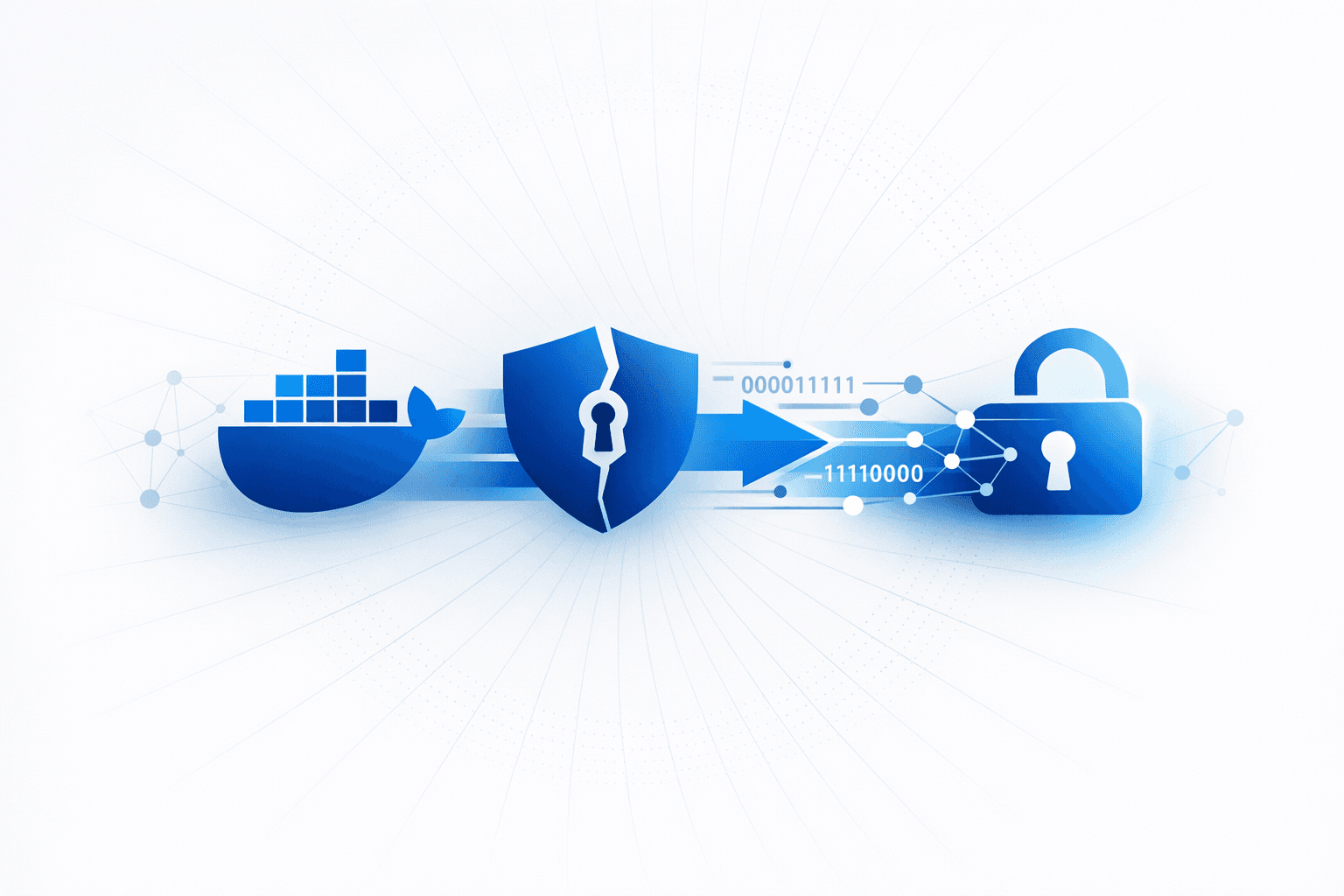
Docker disclosed a high-severity Docker Engine vulnerability, CVE-2026-34040 (CVSS 8.8), that allows attackers to bypass authorization plugins and perform actions that should be blocked. The flaw stems from an incomplete fix for CVE-2024-41110 and is triggered when a specially crafted oversized Docker API request causes the request body to be dropped before inspection by an AuthZ plugin. In affected environments, the plugin may approve container operations it would otherwise deny, opening a path to unauthorized privileged actions and potential host compromise.
Researchers said an attacker with Docker API access could exploit the bug by padding a container-creation request beyond 1 MB to launch a privileged container with access to the host filesystem, exposing sensitive assets such as AWS credentials, SSH keys, and Kubernetes configurations. The issue affects deployments that rely on authorization plugins inspecting request bodies, while environments not using those plugins are not impacted. Docker patched the vulnerability in Docker Engine 29.3.1 and urged defenders to upgrade, restrict Docker API access, avoid AuthZ plugins that depend on request-body inspection, and use controls such as rootless mode, user namespace remapping, and least-privilege access to reduce risk.
Why it matters
Impact assessment
CVE-2026-34040 is a high-severity Docker Engine authorization bypass that affects environments using Docker AuthZ plugins which inspect request bodies to enforce policy. The primary risk is unauthorized creation of privileged containers, host filesystem access, and theft of sensitive host-resident secrets, creating potential for full host compromise and downstream cloud or cluster compromise.
The exposure is targeted rather than universal: Docker deployments not using affected AuthZ plugin patterns are not impacted, but any organization exposing Docker API access to users, automation, CI/CD systems, or AI-agent sandboxes is at elevated risk. No confirmed in-the-wild exploitation was reported in the cited sources.
Affected populations
- Organizations running Docker Engine with authorization plugins that make access-control decisions based on request-body inspection
- Teams exposing Docker API access to developers, CI/CD pipelines, platform automation, or sandboxed AI coding agents
- Cloud-native environments where Docker hosts contain AWS credentials, SSH keys, Kubernetes configs, cluster tokens, database credentials, or S3 access
Severity and business impact
- High severity: CVE-2026-34040, CVSS 8.8
- Potential outcomes:
- Unauthorized privileged container creation
- Host filesystem mounting from a container
- Exposure of AWS credentials, SSH keys, Kubernetes configurations/tokens, database credentials, and customer data in S3
- Follow-on compromise of cloud accounts, Kubernetes clusters, and production servers
- Likely impacts:
- Data loss and credential theft
- Operational disruption from host or cluster compromise
- Financial and reputational damage from cloud abuse or breach response
Scope and exploitation status
- Impacted only when AuthZ plugins rely on request-body inspection
- Reported to work across AuthZ plugins because the flaw is in Docker middleware, not a specific plugin
- Requires Docker API access by the attacker
- No public indication of exploitation in the wild at time of reporting
Structured facts
- Entity: Docker
- Entity: Cyera Research Labs
- Product: Docker Engine
- Vulnerability: CVE-2026-34040
- Prior related vulnerability: CVE-2024-41110
- Fixed version: Docker Engine 29.3.1
- Sensitive assets at risk: AWS credentials, SSH keys, Kubernetes configs/tokens, database credentials, S3/customer records