Attackers Abuse RDP and Remote Access Tools for Intrusions and Ransomware
Attack Tradecraft · 9 sources · Updated 4mo ago · First seen Aug 14, 2026
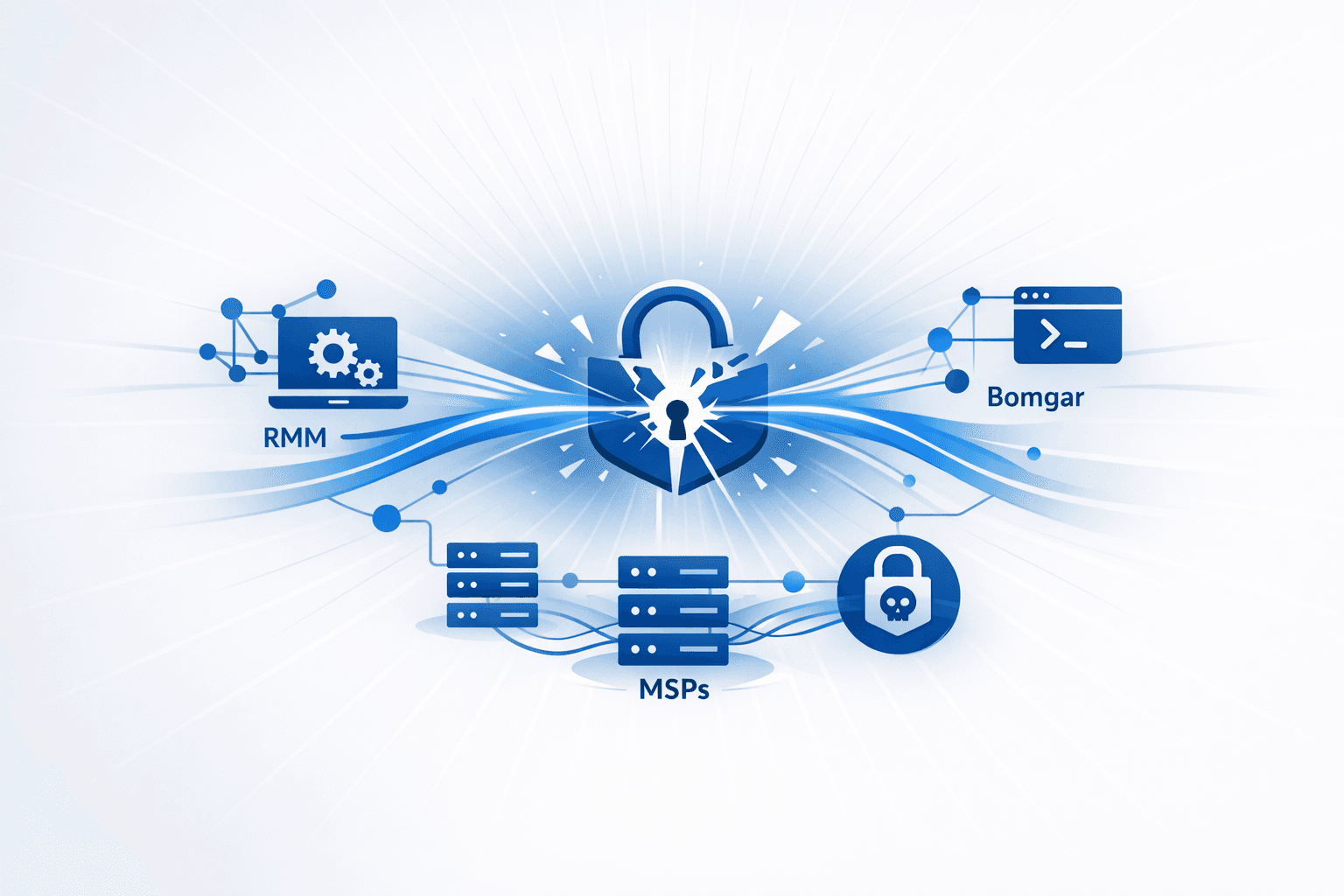
Multiple incident reports show attackers repeatedly using exposed or weakly protected Remote Desktop Protocol (RDP) as both an entry point and an internal movement channel. In one intrusion, an actor brute-forced a local administrator account over RDP, created additional access, used Mimikatz to dump credentials and Kerberos tickets, and moved across systems before deploying an XMRig-based Monero miner. Separate reporting on Conti and other hands-on-keyboard operations shows similar post-compromise tradecraft, including credential theft, reconnaissance, use of remote management utilities, and abuse of legitimate Windows administration features to avoid dropping obvious backdoors.
Ransomware and espionage cases show the same pattern extending to interactive remote-control tooling beyond standard RDP. ASEC reported Crysis/Dharma and Venus ransomware actors brute-forcing RDP, stealing credentials, terminating processes, deleting shadow copies, and encrypting systems, sometimes retrying with a second ransomware family after a failed first attempt. North Korea-linked Kimsuky has also used RDP Wrapper, patched Terminal Services, VNC, Chrome Remote Desktop, Ngrok, and malware such as AppleSeed, Amadey, and RftRAT to maintain GUI-based access, evade user awareness, and support keylogging, file theft, and persistent control of compromised hosts.
Why it matters
Impact assessment
Attackers are repeatedly abusing exposed or weakly protected RDP and legitimate remote-access tooling to gain interactive control, steal credentials, move laterally, and deploy ransomware or cryptominers. The most affected organizations are Windows-heavy enterprises with internet-exposed RDP, weak local administrator hygiene, or permissive use of remote administration tools; sectors explicitly referenced include defense, government, media, academia, energy, and general enterprise environments.
The impact ranges from credential theft and covert persistence to full ransomware encryption and data theft claims. Exposure is widespread because the tradecraft relies on common Windows features and commodity tools rather than niche vulnerabilities, and multiple reports document real-world exploitation including Kimsuky espionage activity, Dharma/Crysis and Venus ransomware intrusions, and opportunistic RDP-enabled cryptomining.
Supporting facts
- Primary affected technology: Microsoft Windows systems with RDP enabled or reachable, plus environments allowing Chrome Remote Desktop, VNC, Ngrok, AnyDesk, Atera, SSH, PsExec, or similar remote-control utilities.
- Affected user populations: organizations with exposed RDP, weak passwords, unmanaged local admin accounts, and users susceptible to spear-phishing attachments.
- Observed outcomes:
- Ransomware deployment: Crysis/Dharma, Venus, Lockis, Conti tradecraft references.
- Credential theft: Mimikatz, NirSoft credential tools, browser credential stealers, keyloggers.
- Persistence and stealthy access: hidden accounts, RDP Wrapper, patched Terminal Services, Chrome Remote Desktop, HVNC/VNC, Ngrok tunneling.
- Resource abuse: XMRig Monero miner deployment.
- Known in-the-wild incidents:
- Kimsuky campaigns against South Korean and broader targets.
- Crysis-linked actor using Venus after failed Crysis encryption.
- DFIR-reported RDP brute-force intrusion leading to Mimikatz use and XMRig deployment.
- Dharma/Crysis intrusion from external IP 217.138.202.116.
- Scope assessment: broad and recurring tradecraft pattern, not a single isolated campaign or product-specific issue.