Attackers Abuse RMM Tools and Bomgar RCE to Breach MSPs and Deploy Ransomware
Threat Actor Intelligence · 5 sources · Updated 5mo ago · First seen Mar 24, 2026
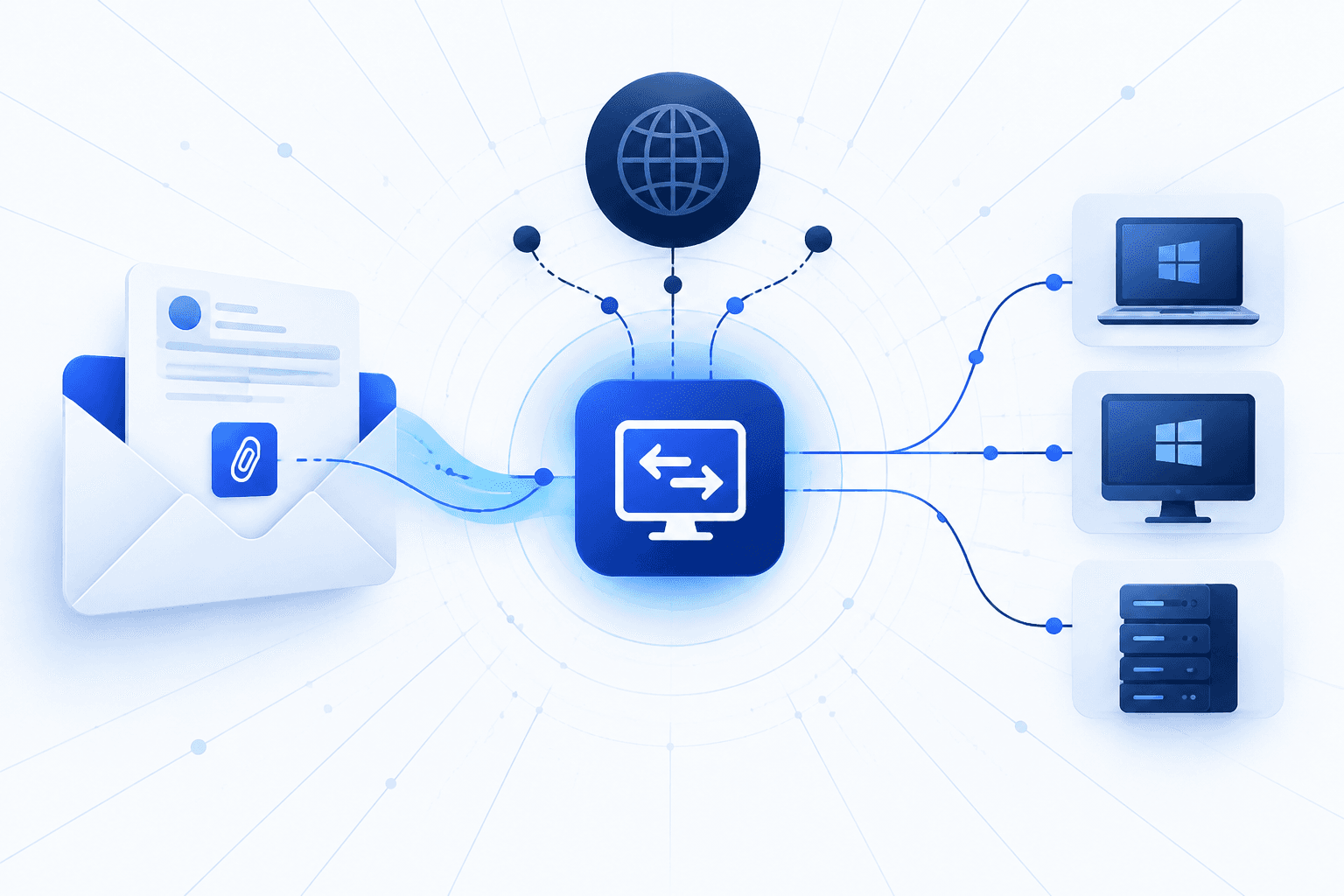
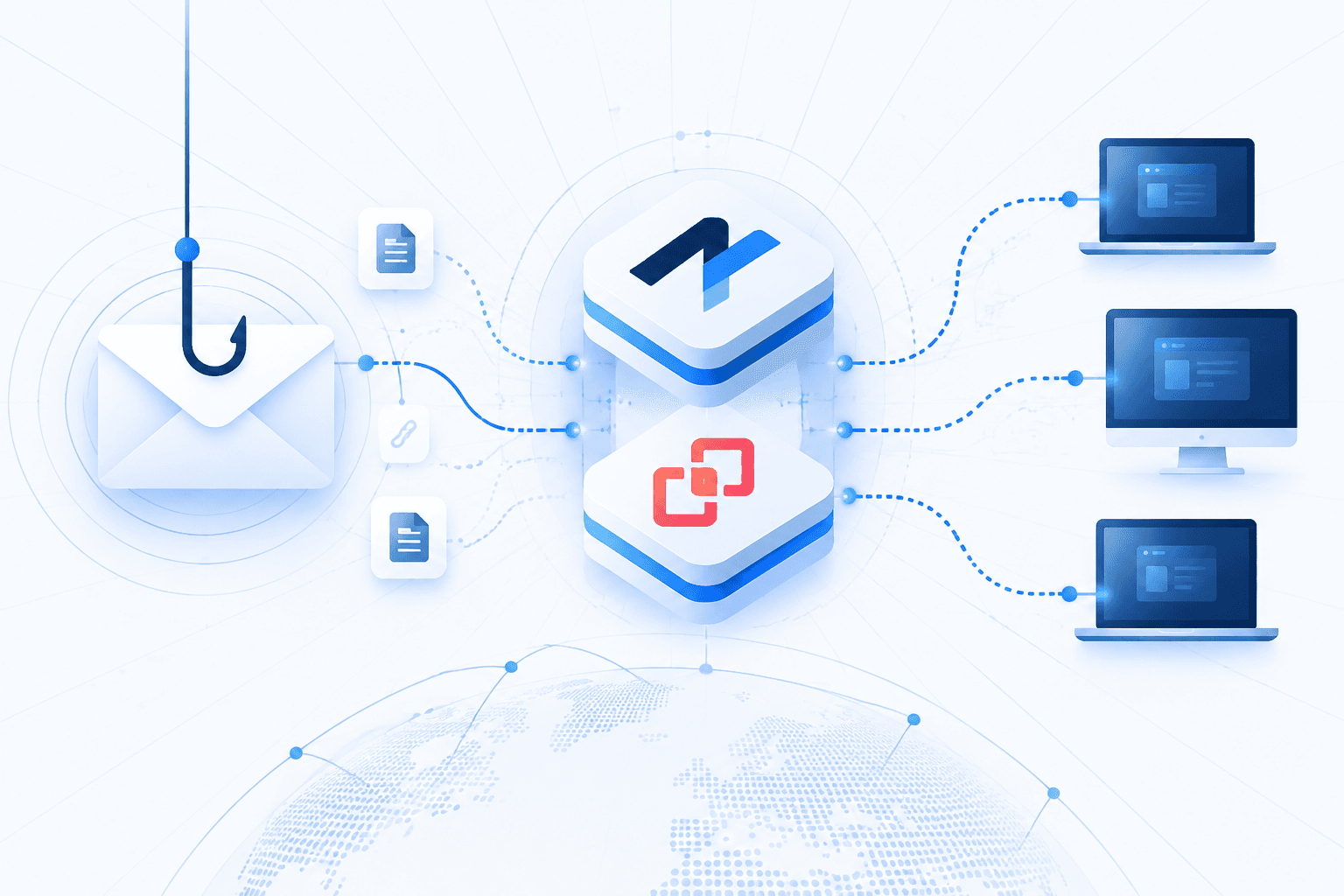
Threat actors increasingly abused legitimate remote monitoring and management (RMM) software for initial access, persistence, credential theft, and defense evasion, with Huntress reporting that RMM abuse accounted for 24% of incidents it observed and surged 277% over the prior year. Campaigns used signed tools including Action1, ScreenConnect, HeartbeatRM, AnyDesk, Atera, and SimpleHelp, often chaining multiple products together to fragment telemetry and complicate containment. Delivery methods included phishing lures themed around the Social Security Administration and invitations, GitHub-hosted payloads, Cloudflare-protected sites, Windows-only filtering, and mobile-only credential harvesting pages; Huntress also observed low-maturity operators using LLM-generated scripts, VPS infrastructure, proxy tooling, combo lists, and utilities designed to hide RMM software from uninstall lists.
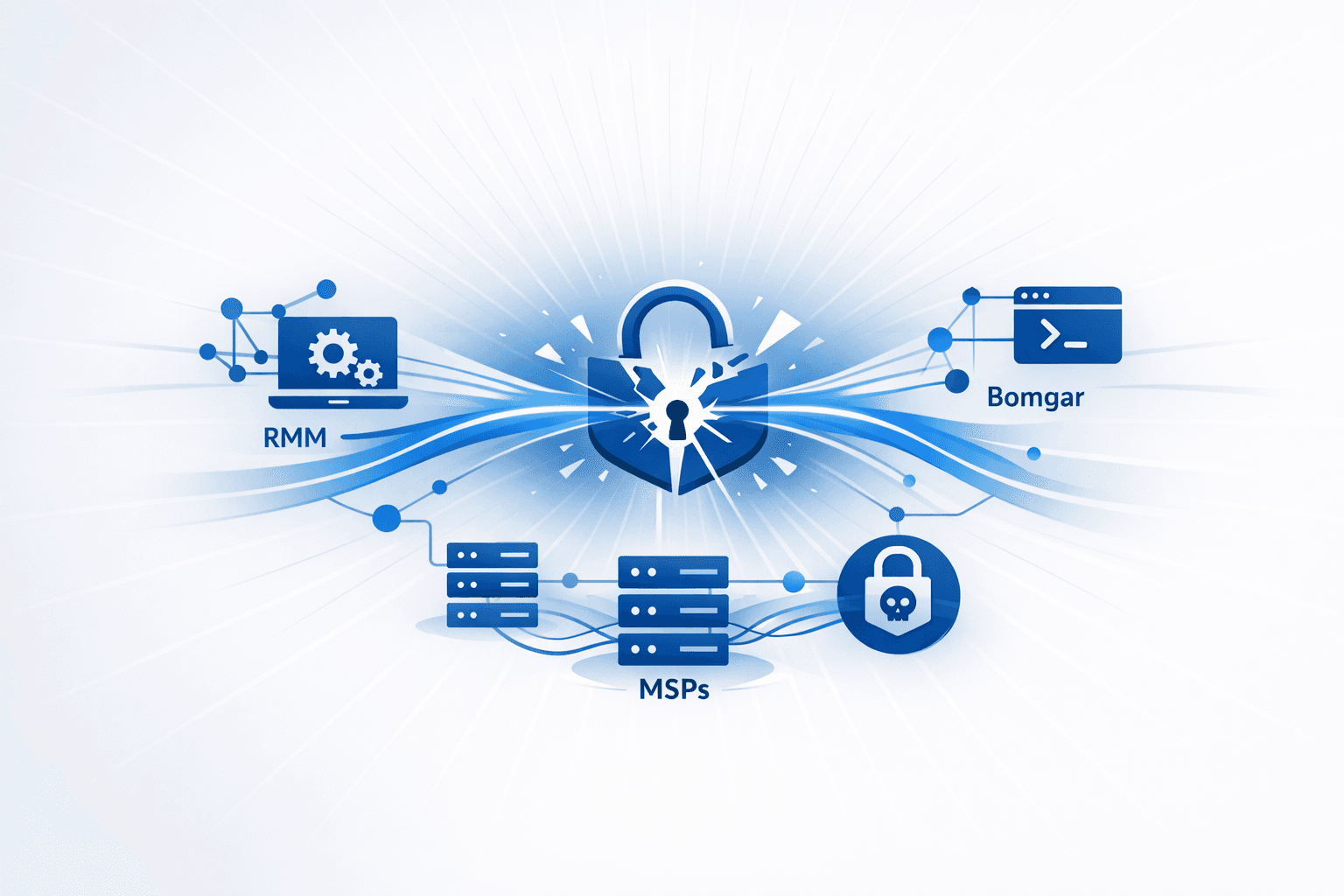
Huntress also linked a sustained rise in compromises involving Bomgar instances to exploitation of CVE-2026-1731, a critical remote code execution flaw in BeyondTrust products, with attackers targeting outdated deployments to access victim networks and pivot into downstream customer environments. Reported incidents hit MSPs and software providers, including a ransomware attack affecting three downstream companies and another MSP breach that forced the isolation of 78 businesses while attackers moved into four customer environments. In affected networks, intruders created privileged accounts, added users to Domain Admins, ran reconnaissance with NetScan and nltest.exe, deployed suspicious drivers such as PoisonX.sys and HRSword.exe, and in several cases launched LockBit or a likely leaked-builder variant, underscoring the need to patch BeyondTrust systems, tightly govern trial and remote-access tooling, and monitor for unauthorized RMM activity.
Why it matters
Impact assessment
Attack activity is materially affecting MSPs, software providers, and their downstream customers by turning trusted remote support infrastructure into a supply-chain access point. Impact includes ransomware deployment, privileged account takeover, lateral movement into customer environments, and large-scale operational disruption, with confirmed incidents forcing the isolation of 78 businesses and affecting multiple downstream companies.
Supporting details
- Affected organizations:
- Managed service providers
- Software providers, including a dental software company
- Downstream customer environments connected to compromised Bomgar/BeyondTrust infrastructure
- Severity:
- Ransomware execution, including LockBit or likely LockBit 3.0 leaked-builder variants
- Privilege escalation to Local Administrators and Domain Admins
- Persistence through legitimate RMM tools such as AnyDesk, Atera, ScreenConnect, and SimpleHelp
- Defense evasion via suspicious drivers and tooling intended to disable security controls
- Scope:
- Both targeted and potentially broad due to upstream RMM compromise enabling downstream access
- Huntress observed at least five recent Bomgar-focused incidents in a two-week period and at least 10 organizations in the initial February spike
- RMM abuse more broadly represented 24% of Huntress-observed incidents and increased 277% year over year
- Exploitation in the wild:
- Yes, active exploitation is reported
- Confirmed exploitation of CVE-2026-1731 against outdated Bomgar/Remote Support and older Privileged Remote Access deployments
- Confirmed ransomware incidents on April 12 and April 14, plus downstream customer impact on April 14 and April 15