Surge in Cyberattacks Leveraging RMM Tools for Malware Deployment
Attack Tradecraft · 2 sources · Updated 5mo ago · First seen Oct 7, 2025
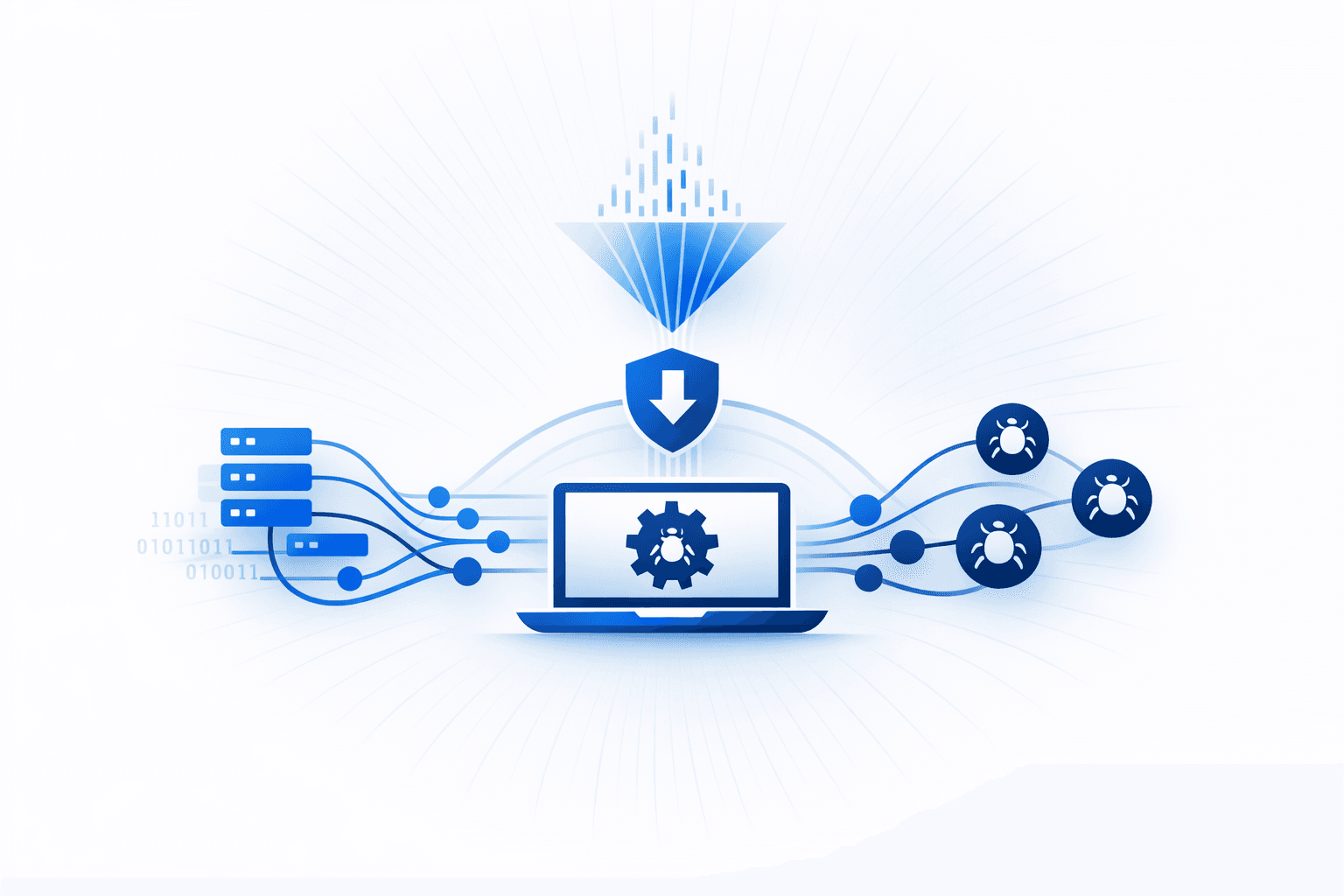
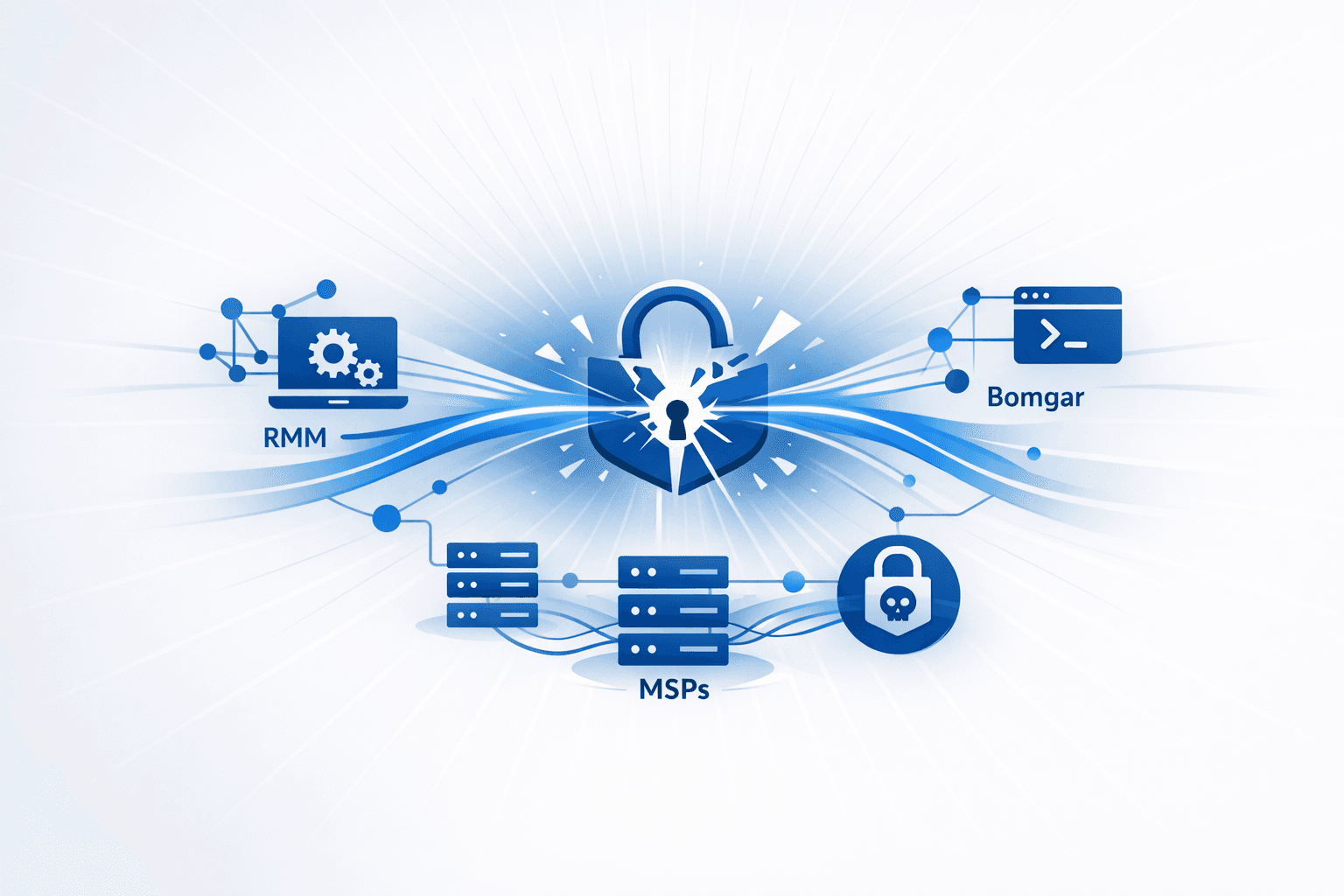
Cybercriminals have increasingly targeted remote monitoring and management (RMM) tools to deploy malware and conduct large-scale cyberattacks. In 2025, attacks on RMM tools surged, with 51 different solutions identified as targets by security researchers. RMM tools, which became more prevalent during the COVID-19 pandemic to support remote work, are now being weaponized by threat actors due to their deep integration into enterprise IT environments. These tools, such as SuperOps and TeamViewer, are commonly used by IT professionals and managed service providers (MSPs) to remotely monitor, manage, and maintain client systems through centralized dashboards. Adversaries exploit these platforms by obtaining authenticated credentials, allowing them to bypass traditional security alerts and alarms. Once inside, attackers can disable scheduled backups, destroy system images and restore points, and push ransomware or other malicious payloads to thousands of endpoints simultaneously. The legitimate appearance of RMM tool traffic often allows malicious activity to evade anomaly detection systems, creating a persistent blind spot for network defenders. The elevated permissions typically granted to RMM platforms enable attackers to escalate privileges, move laterally within networks, and deliver malware efficiently. Compromising an MSP’s RMM infrastructure can have a supply chain effect, enabling attackers to pivot into multiple client environments and significantly amplifying the potential impact. This method of attack not only increases the blast radius but also enhances the monetization opportunities for cybercriminals. Security experts warn that the widespread use and trust in RMM tools make them an attractive and effective vector for cyberattacks. Organizations are urged to implement stronger authentication, monitor RMM tool usage closely, and restrict access to minimize risk. The trend highlights the need for enhanced vigilance and updated security controls around remote access and management solutions. The attacks demonstrate how tools designed for convenience and efficiency can become significant liabilities if not properly secured. The ongoing exploitation of RMM tools underscores the evolving tactics of cybercriminals in targeting trusted IT infrastructure. As attackers continue to refine their methods, defenders must adapt by prioritizing the security of remote management platforms. The surge in RMM tool exploitation serves as a stark reminder of the importance of supply chain security and the risks posed by third-party service providers. Organizations should review their incident response plans to ensure rapid detection and containment of attacks involving RMM platforms. The cybersecurity community continues to monitor this threat landscape, emphasizing the critical need for proactive defense measures.
Why it matters
Impact assessment
RMM abuse materially increases ransomware and supply-chain risk for enterprises, MSPs, and any organization that relies on centralized remote administration tools. Impact can include rapid malware deployment to large endpoint populations, backup destruction, data theft, and prolonged covert access, with especially high downstream exposure when an MSP's RMM platform is compromised.
Key impact points
- Affected populations: enterprises using RMM platforms, MSPs, IT service providers, and their downstream customers.
- Affected products named in reporting: Splashtop, ConnectWise, ScreenConnect, Atera, SuperOps, TeamViewer.
- Severity: high, because compromised RMM access can enable privileged remote execution, lateral movement, persistence, ransomware deployment, and exfiltration.
- Operational impact: attackers can disable scheduled backups, destroy system images and restore points, and push payloads to many endpoints simultaneously.
- Scope: potentially widespread because Acronis reported more than 51 RMM solutions identified as attack vectors in 2025.
- Supply-chain amplification: compromise of an MSP's RMM infrastructure can provide access into multiple client environments.
- Known real-world abuse: Acronis TRU reported repeated abuse of multiple RMM tools; a 2024 Hunters International intrusion at a UK manufacturing firm allegedly used ScreenConnect and other legitimate RMM tooling for over a month before ransomware deployment.
- Detection challenge: malicious activity blends with normal administrative traffic because RMM tools are trusted and often whitelisted.