Remcos RAT campaigns expand with stealthier loaders and broad surveillance features
Malware Intelligence · 11 sources · Updated 4mo ago · First seen Aug 14, 2026

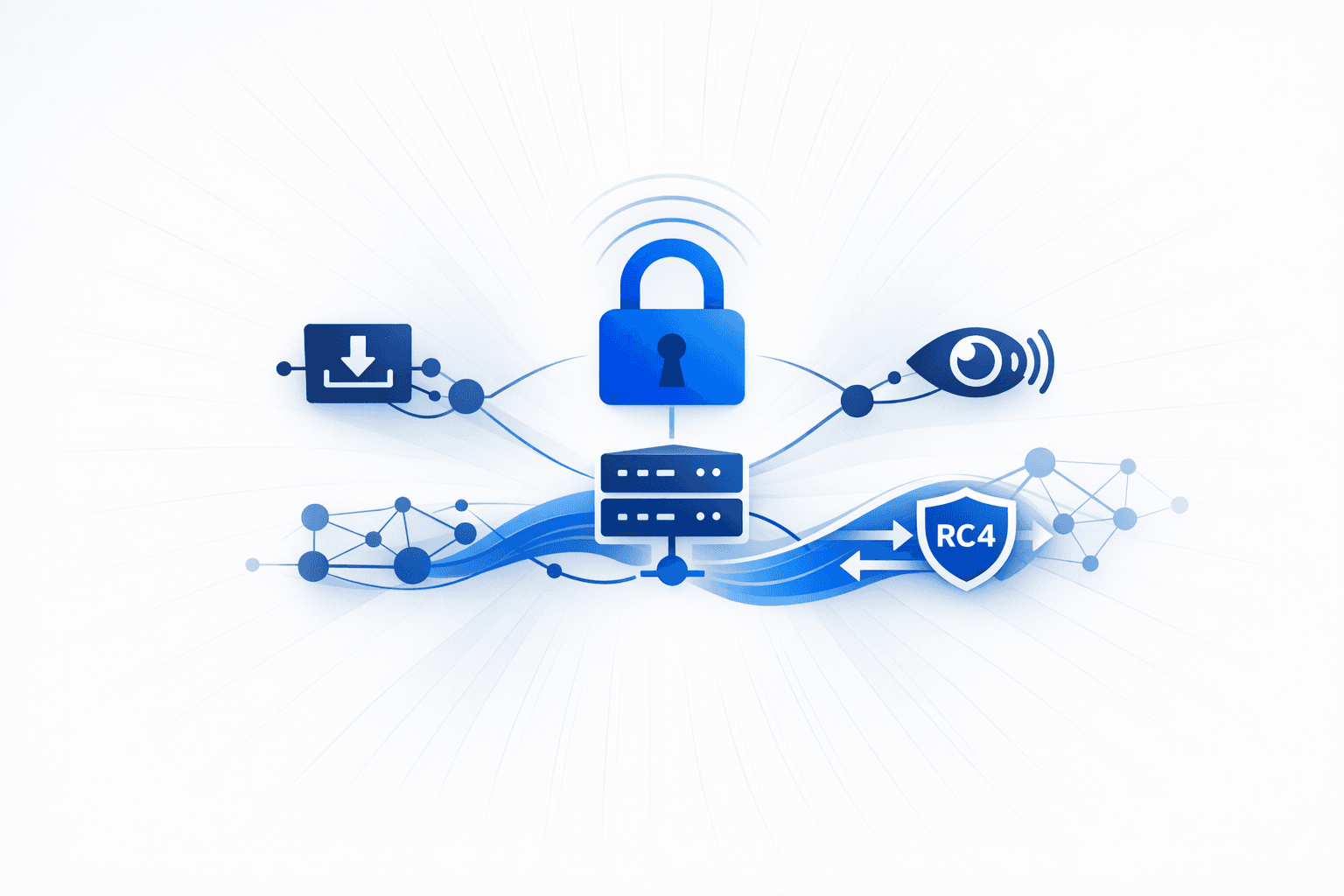
Researchers and incident reports show Remcos RAT continuing to spread through multiple delivery channels, including business-themed phishing emails, fake cryptocurrency software, and multi-stage script loaders. Trend Micro documented a phishing campaign using an ACE archive attachment and an AutoIt-based loader to install Remcos Professional 1.7, while ESET reported a spoofed SafeMoon application that delivered Remcos to cryptocurrency users. SonicWall later identified a newer infection chain using VBScript, batch files, PowerShell, and a .NET loader to deploy Remcos after patching AMSI and ETW for defense evasion, with observed targeting of European institutions.
Technical analysis from Elastic Security Labs found that modern Remcos samples retain extensive remote-access and surveillance functions, including keylogging, screenshots, audio capture, webcam access, shell command execution, password theft, browser-history collection, persistence, process injection, and UAC bypass. Elastic recovered most of the malware’s configuration structure and command set, showing that Remcos stores encrypted settings, supports TLS-enabled command-and-control, can masquerade as legitimate processes such as explorer.exe, and can clean browser artifacts or uninstall itself on command. The reporting underscores how a tool originally marketed for red teaming has become a widely abused malware family with increasingly evasive delivery chains and mature post-compromise control features.
Why it matters
Impact assessment
Remcos RAT remains an active and adaptable malware family affecting Windows users across enterprise and consumer contexts, with observed delivery through phishing, fake cryptocurrency software, archive-based script loaders, and multi-stage malware chains. The impact is high because successful compromise enables full remote access, credential theft, surveillance, persistence, and follow-on malware delivery, creating risk of data loss, fraud, espionage, and operational disruption.
Observed activity spans broad opportunistic distribution and targeted intrusion patterns. Reporting specifically notes targeting of European institutions, while other campaigns targeted business users and cryptocurrency users; exploitation in the wild is established across multiple incident reports and vendor analyses.
Affected populations and sectors
- Windows endpoints are the primary affected systems.
- Enterprise users exposed to phishing lures such as purchase orders, payment advisories, and archive attachments are affected.
- Cryptocurrency users were targeted through a spoofed SafeMoon application.
- European institutions were assessed by SonicWall as a current target set in one newer campaign.
- Multiple sectors are at risk because Remcos has been adopted by a wide range of threat actors and delivery methods.
Severity and business consequences
- Remote access enables attackers to execute commands, manage files, alter the registry, and deploy additional payloads.
- Surveillance features include keylogging, screenshots, clipboard capture, audio capture, webcam access, browser-history collection, and password theft.
- Persistence and privilege escalation increase dwell time and complicate remediation.
- Defense evasion through AMSI and ETW patching materially reduces host-based visibility and raises the likelihood of missed detections.
- Potential impacts include credential compromise, financial theft, reputational damage, regulatory exposure, and disruption from secondary malware deployment.
Scope and exploitation status
- The threat is widespread rather than limited to a single campaign or sector.
- Multiple independent sources documented active campaigns from 2019 through 2025, confirming sustained real-world use.
- Recent infection chains show increasing stealth and modularity, indicating continued operator development and reuse across malware families.
- Known in-the-wild use includes phishing campaigns, fake software distribution, VHD/ISO/LNK/script-based loaders, and process injection chains.