New Remote Access Trojans Expand Stealth and Surveillance Capabilities
Malware Intelligence · 4 sources · Updated 5mo ago · First seen Feb 21, 2026
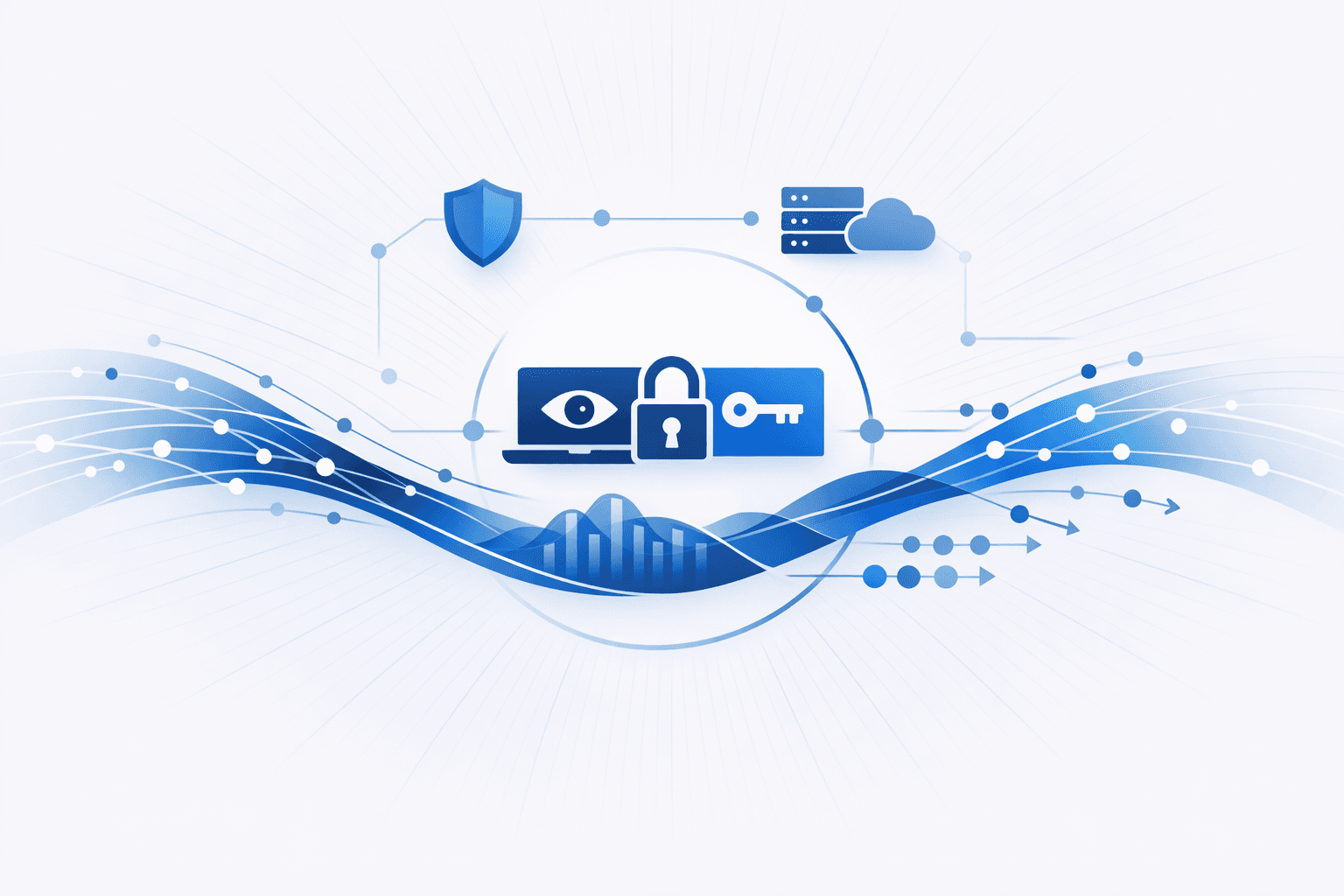
Threat researchers reported multiple remote access trojan (RAT) developments that emphasize stealth, surveillance, and post-exploitation flexibility. A new Remcos RAT variant was observed adding real-time surveillance features (including on-demand webcam streaming) and keystroke transmission, while improving evasion through modular DLL plugins, encrypted C2 with in-memory-only config decryption, and dynamic API resolution; it also attempts to reduce forensic artifacts by deleting collected data (e.g., screenshots, audio, keylogging output, cookies) and removing persistence-related registry entries.
Separately, Elastic detailed a ClickFix social-engineering campaign that uses compromised legitimate websites as delivery infrastructure to deploy a previously undocumented Windows RAT dubbed MIMICRAT (AstarionRAT). The intrusion chain includes a multi-stage PowerShell flow with ETW and AMSI bypass, a Lua-based shellcode loader, and HTTPS C2 on port 443 using traffic patterns designed to resemble web analytics; the implant supports token impersonation, SOCKS5 tunneling, and a broad command set, with suspected end goals of ransomware deployment or data theft. In parallel mobile-focused reporting, Zimperium described ZeroDayRAT, a cross-platform Android/iOS spyware-style RAT distributed via social engineering and sideloaded apps, enabling screen capture, keylogging, and credential/file exfiltration, highlighting continued convergence of surveillance and remote-control capabilities across endpoints.
Why it matters
Impact assessment
These developments affect enterprise Windows endpoints, mobile devices, and any organization exposed to social-engineering-driven malware delivery, especially environments with users likely to execute pasted commands or sideload apps. The impact is high because the reported RATs support surveillance, credential theft, lateral-enablement functions, and potential follow-on ransomware or data exfiltration.
The scope is mixed: Remcos remains broadly relevant due to its established criminal use, the ClickFix/MIMICRAT activity appears opportunistic across industries and geographies, and ZeroDayRAT expands risk to Android and iOS fleets. There is evidence of active campaign use for MIMICRAT and continued real-world evolution of Remcos; the mobile reporting indicates an emerging spyware-style threat but does not provide confirmed in-the-wild incident counts.
Supporting facts
- Affected platforms:
- Windows: Remcos RAT, MIMICRAT/AstarionRAT
- Android and iOS: ZeroDayRAT
- Affected populations:
- Enterprises with browser-exposed users vulnerable to ClickFix lures
- Organizations allowing sideloaded mobile apps or weak mobile device controls
- Multi-industry and multi-geography victims; Elastic noted opportunistic targeting and a USA-based university among observed victims
- Business impact:
- Credential theft and surveillance via keylogging, webcam streaming, screen capture, and file theft
- Operational disruption risk from post-exploitation leading to ransomware deployment
- Reputational and regulatory exposure from theft of sensitive files, credentials, and user activity data
- Scope and exploitation:
- Remcos is described as a widely exploited malware family with a new stealth-focused variant
- Elastic documented an active ClickFix campaign using compromised legitimate websites to deliver MIMICRAT
- ZeroDayRAT is presented as an emerging cross-platform mobile RAT delivered through social engineering and sideloading