Phishing Campaigns Deliver Remcos RAT via Obfuscated Scripts and Trusted Services
Malware Intelligence · 5 sources · Updated 5mo ago · First seen Apr 2, 2026

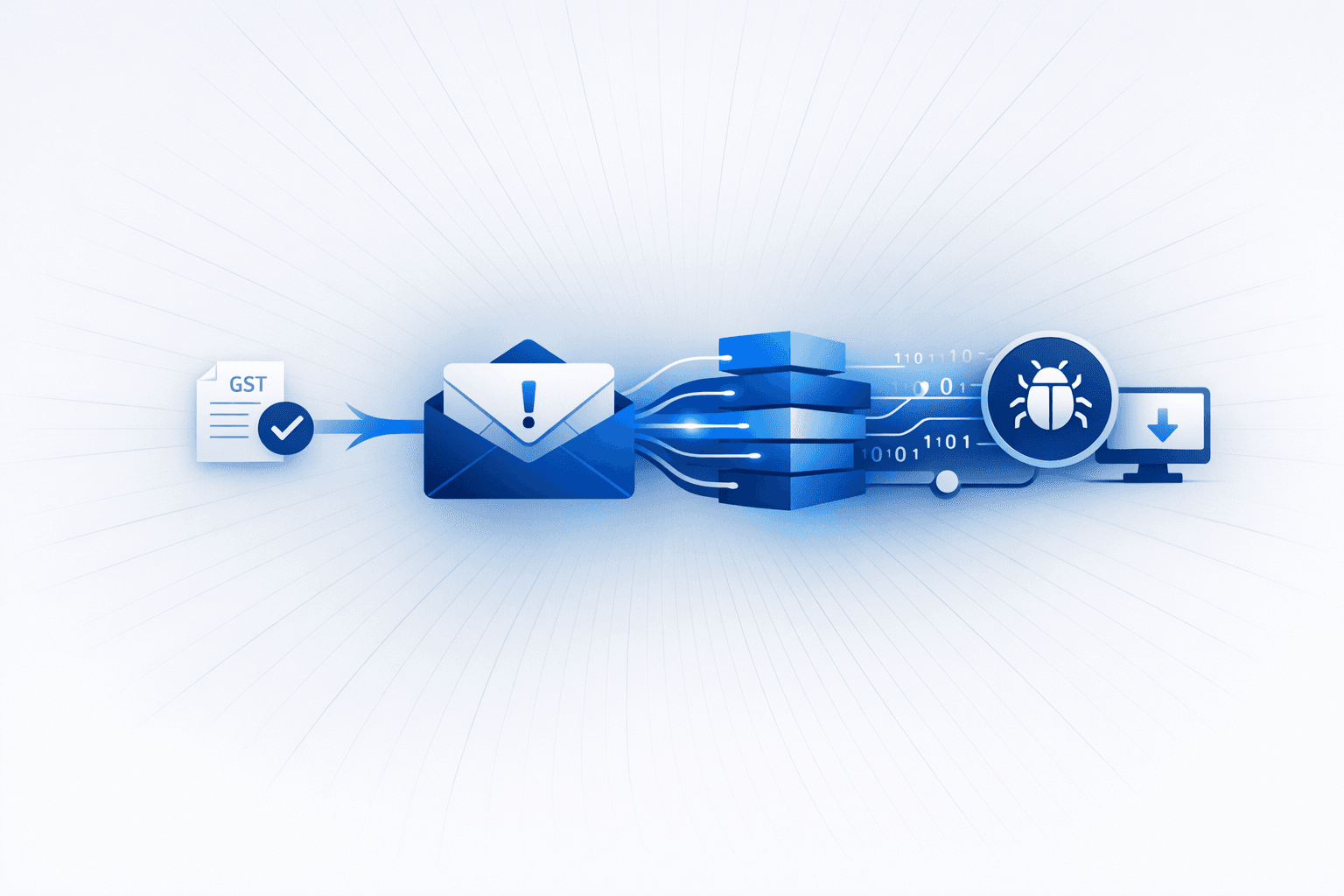
Researchers reported multiple Remcos RAT campaigns using phishing emails and trusted infrastructure to infect victims while evading detection. In one intrusion chain, a ZIP attachment named MV MERKET COOPER SPECIFICATION.zip delivered an obfuscated JavaScript file that fetched a PowerShell loader from almacensantangel[.]com; the loader then reconstructed and decrypted payloads in memory, including ALTERNATE.dll and Cqeqpvzeia.exe. The malware injected into the legitimate Microsoft .NET utility aspnet_compiler.exe, communicated with 192[.]3[.]27[.]141:8087, and stored captured keystrokes and other data in C:\ProgramData\remcos\logs.dat, leaving few disk artifacts.
A separate campaign used phishing emails that linked to a fake Google Drive sharing page hosted through Google Cloud Storage and the trusted googleapis.com domain, helping the attack bypass email and web filtering. After user interaction, the infection chain used staged JavaScript redirects or downloads, followed by VBScript or PowerShell execution to retrieve the final Remcos payload, which was then injected into a legitimate Windows process through process hollowing, persisted via Windows Registry entries, and opened encrypted command-and-control channels. The activity underscores how attackers are combining living-off-the-land techniques, trusted cloud services, obfuscated scripting, and legitimate Windows binaries to deploy Remcos for surveillance and data theft.
Why it matters
Impact assessment
Multiple active phishing campaigns are delivering Remcos RAT through trusted services, script-based loaders, and in-memory execution. The affected population is broad: any organization or user exposed to phishing email, especially enterprises that rely on Microsoft Windows endpoints and allow scripting engines such as WSH, VBScript, and PowerShell.
The impact is high because successful infection enables remote access, credential theft, keylogging, screenshot capture, microphone and webcam compromise, file transfer, and data exfiltration. Exposure appears widespread rather than narrowly targeted, with researchers describing global victim reach, repeated email-borne Remcos activity since November 2025, and multiple parallel delivery chains using ZIP/JS/VBS/HTA/XLS lures and trusted Google infrastructure.
Supporting details
- Affected users and environments:
- Windows endpoint users opening phishing attachments or links
- Organizations with permissive script execution controls
- Enterprises that trust or broadly allow googleapis.com and storage.googleapis.com traffic
- Industries are not explicitly named, but business-themed purchase-order lures indicate broad enterprise targeting
- Business impact:
- Credential theft including passwords and one-time passcodes
- Surveillance of users through keylogging, screenshots, microphone, and webcam access
- Remote control of infected hosts and file transfer capability
- Potential downstream fraud, account takeover, data loss, and reputational damage
- Scope and activity level:
- Researchers reported repeated observation of email-borne Remcos delivery chains since November 2025
- Campaigns used multiple lure formats and infrastructure sets, indicating sustained operations
- Abuse of trusted cloud services increases delivery success and bypass potential
- Known in-the-wild exploitation:
- Yes. The story describes observed phishing intrusions and live command-and-control infrastructure used in active campaigns