Threat Actors Expand Abuse of Windows LNK Files for Delivery and Persistence
Attack Tradecraft · 16 sources · Updated 4mo ago · First seen Jan 1, 2026
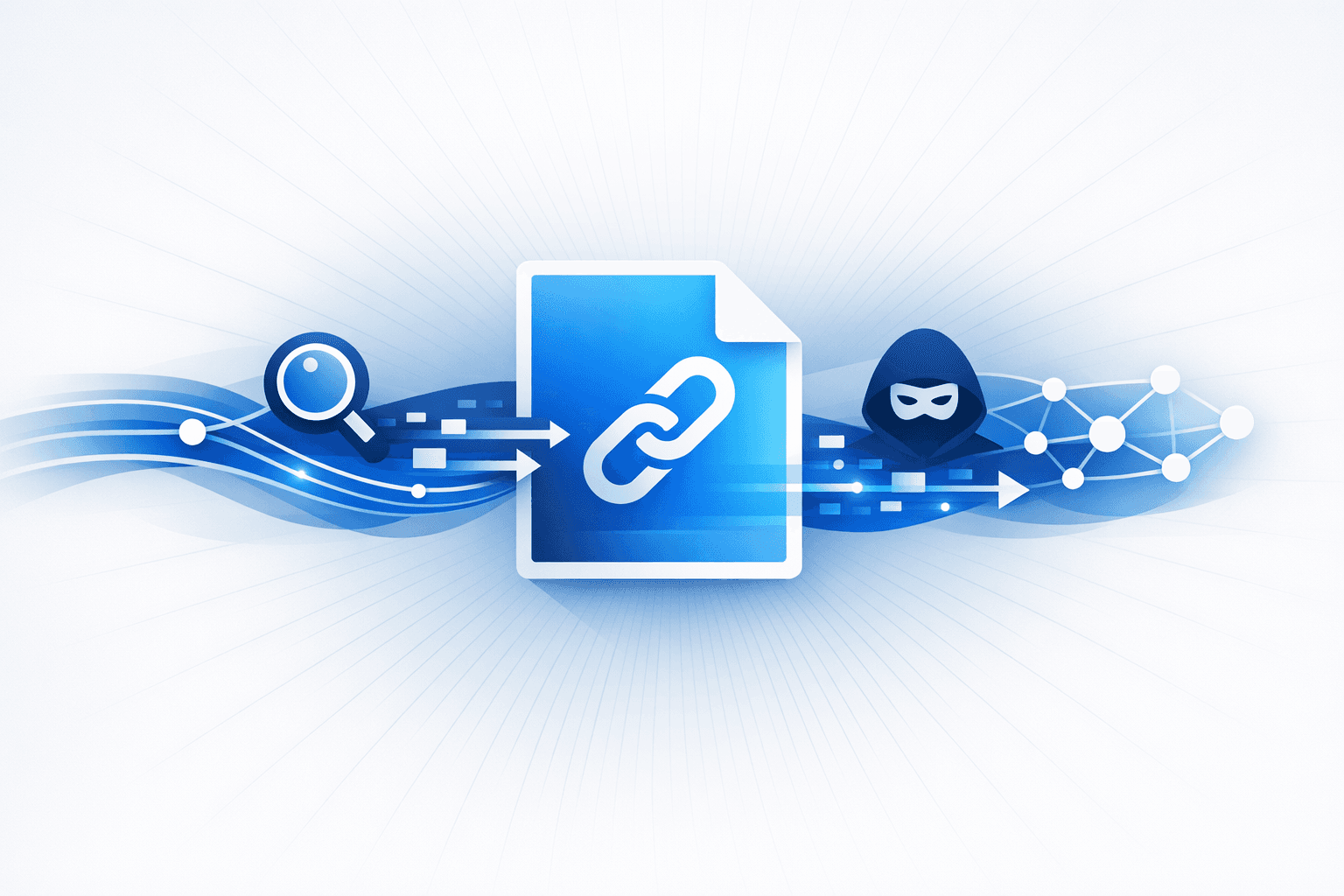
Threat actors are increasingly abusing Windows shortcut files (.LNK) as a low-friction mechanism for initial access, payload execution, and persistence across phishing and archive-based intrusion chains. Multiple reports describe attackers disguising LNKs as PDFs, resumes, project files, or document shortcuts inside ZIP, RAR, ISO, and IMG containers, then using them to launch LOLBins and scripts such as powershell.exe, mshta.exe, regsvr32.exe, rundll32.exe, cmd.exe, and MSBuild.exe. Campaigns tied to QakBot, Emotet, Bumblebee, MORE_EGGS, Gamaredon, APT37, Higaisa, and likely APT41/Winnti used LNK-triggered chains to download payloads, execute JavaScript or PowerShell, establish scheduled-task or Startup-folder persistence, and deploy stealers, RATs, and backdoors. Researchers note the trend accelerated after Microsoft blocked internet-downloaded Office macros by default, pushing operators toward shortcut-based delivery.
Defenders are being urged to inspect the LNK Target field and underlying Shell Link structures for suspicious command lines, embedded URLs or IPs, oversized files, and metadata anomalies such as mismatched TrackerDataBlock MAC information. Microsoft’s Shell Link specification provides the file-format baseline, while incident-response guidance highlights that explorer.exe often appears as the parent process, making file telemetry and LNK creation events critical for hunting. Analysts also point to builder ecosystems such as mLNK Builder that lower the barrier for criminal use and improve evasion, alongside older LNK-related exploitation history including CVE-2010-2568, which allowed code execution when Windows rendered crafted shortcut icons. Together, the reporting shows .LNK files have become a durable and versatile attack primitive spanning commodity malware, espionage operations, and persistence tradecraft.
Why it matters
Impact assessment
LNK abuse is a broad Windows endpoint exposure affecting enterprises, government, education, healthcare, software developers, recruiters, and general business users that receive archives or phishing attachments. Impact ranges from initial access and malware delivery to credential theft, espionage, persistence, and follow-on payload deployment, with both commodity malware operators and state-linked actors using the technique in the wild.
Summary
The exposure is widespread rather than tied to a single product flaw: any Windows environment where users can open ZIP, RAR, ISO, IMG, or VHD-delivered shortcuts is at risk. Real-world incidents span QakBot, Emotet, Bumblebee, MORE_EGGS, Gamaredon, Higaisa, APT37, Winnti/APT41, RETADUP, and Chrome-focused stealers, showing both opportunistic and targeted exploitation.
Affected populations and scope
- Affected platform: Microsoft Windows systems that process
.LNKshortcut files. - Common delivery containers: ZIP, RAR, ISO, IMG, VHD, HTML-to-ZIP chains.
- Common lures: resumes, PDFs, project links, certificates, invoices, and document shortcuts with double extensions such as
.pdf.lnkand.xlsx.lnk. - Affected sectors observed in references: healthcare, government, software and gaming, recruiting/HR, sales/telemarketing, and regional targets in Ukraine, Cambodia, Vietnam, Russia, Hong Kong, Israel, and EU countries.
- User populations at risk: email users, recruiters, sales staff, developers, and users who open archive-delivered files from external sources.
Severity and business impact
- Initial access can lead directly to malware execution through LOLBins and scripts without requiring Office macros.
- Observed outcomes include credential theft, browser data theft, screenshot capture, host/network reconnaissance, arbitrary command execution, persistence via Startup folder or scheduled tasks, and deployment of RATs/backdoors.
- Business impact includes data loss, account compromise, operational disruption from incident response and reimaging, and reputational damage where espionage or customer data theft occurs.
- Supply-chain implications exist where software developers or publishers are targeted, as noted in Winnti/APT41 reporting.
Known exploitation in the wild
- Active use documented across multiple campaigns: Emotet, QakBot, Bumblebee, MORE_EGGS, Gamaredon, Higaisa, APT37/SHROUDED#SLEEP, Winnti/APT41, RETADUP.
- Targeted espionage examples: Gamaredon against Ukrainian entities, APT37 against Southeast Asia, Higaisa against users of Chinese origin, Winnti/APT41 against organizations in Russia and Hong Kong.
- Commodity and financially motivated examples: QakBot, Emotet, Bumblebee, MORE_EGGS, IcedID, AsyncRAT, Matanbuchus.
- Historical LNK rendering exploitation also exists via
CVE-2010-2568, which was exploited in the wild in 2010, but the current story is primarily about malicious shortcut abuse rather than a new Windows vulnerability.