Malicious LNK Campaign Used GitHub and PowerShell for Fileless Malware Delivery
Malware Intelligence · 3 sources · Updated 5mo ago · First seen May 25, 2026
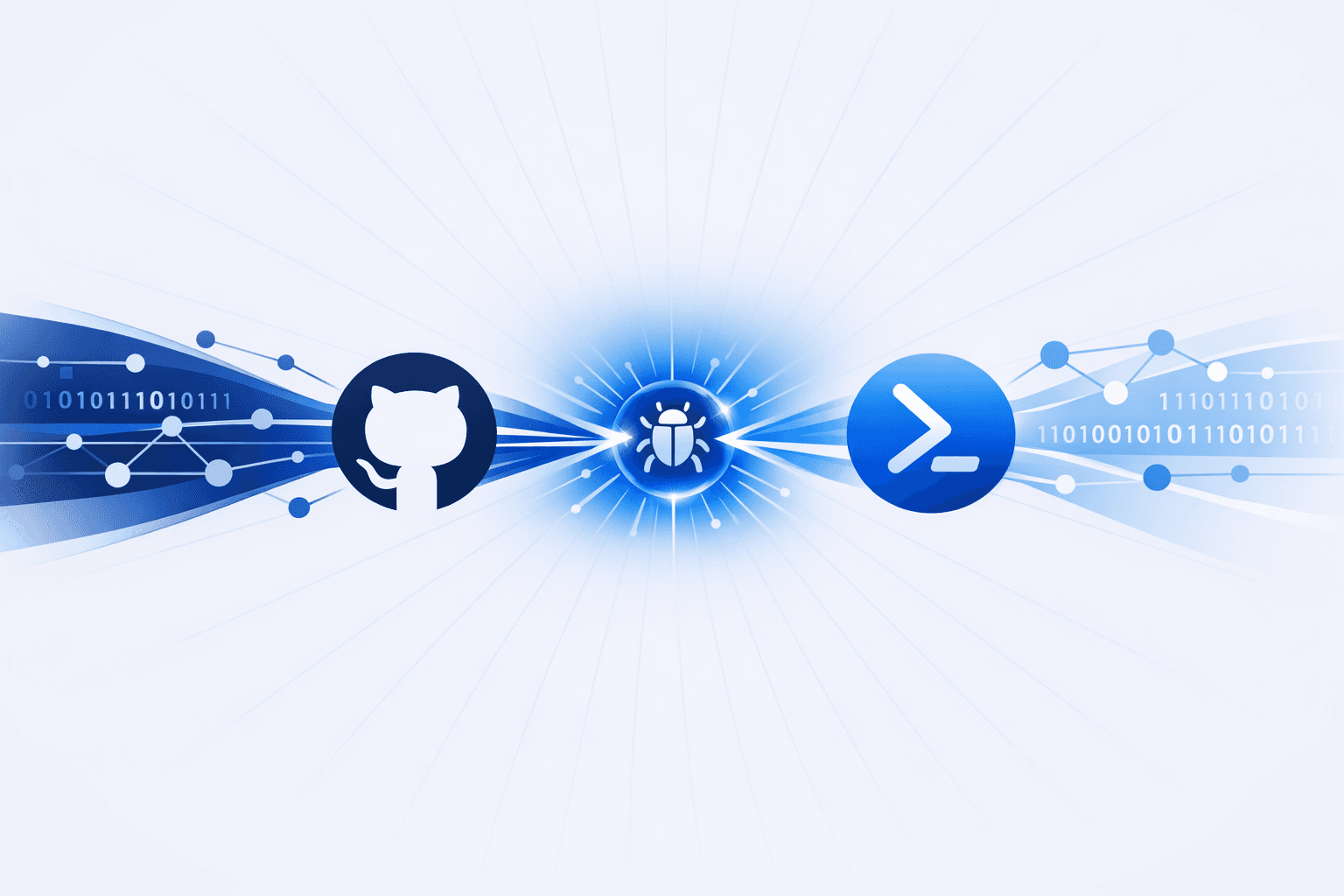
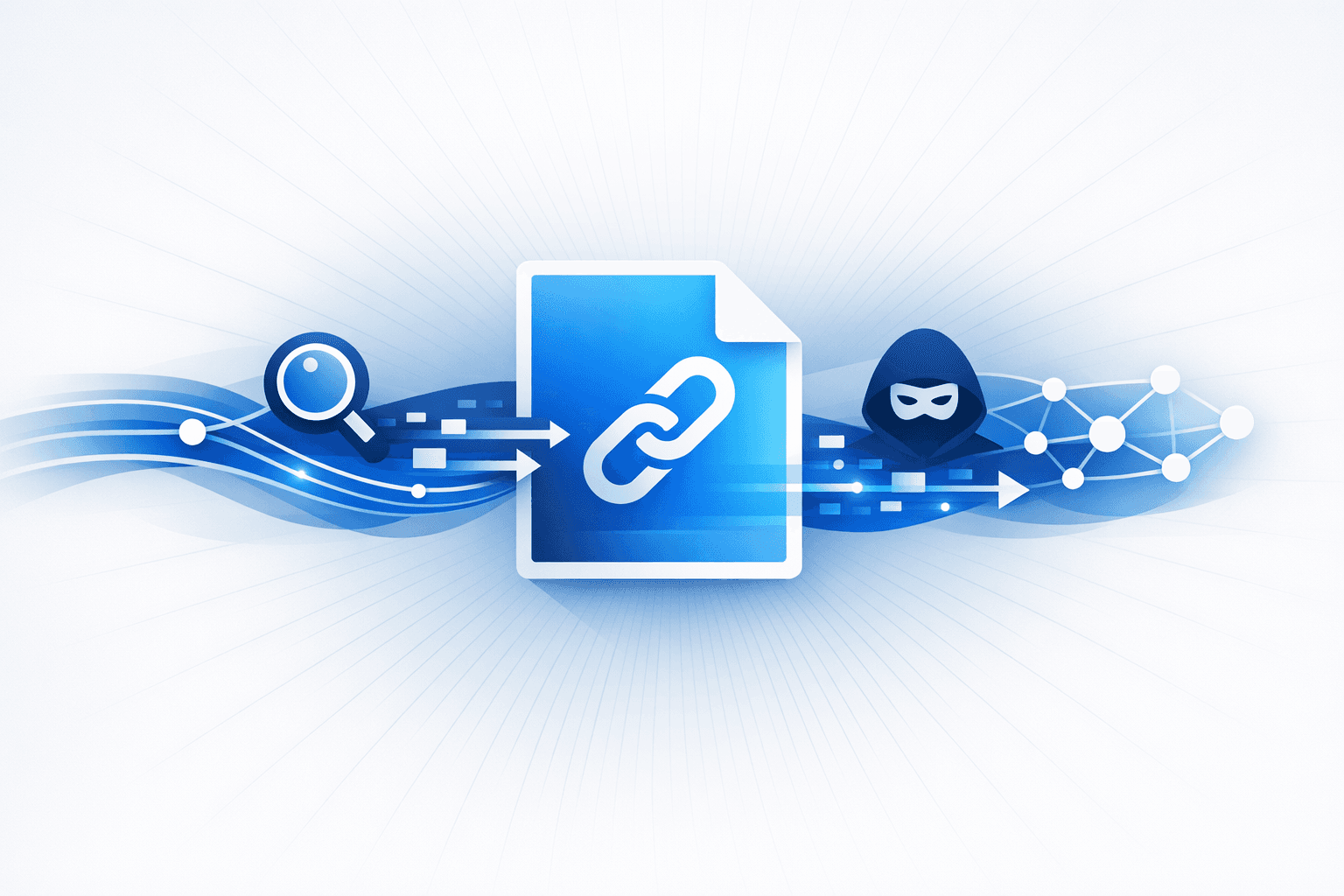
Attackers distributed malicious Windows shortcut (.LNK) files disguised as privacy consent forms and other work-related documents, tricking users into launching obfuscated PowerShell that fetched additional payloads from external infrastructure. Reporting indicates GitHub was used as a covert stage in the infection chain, helping operators blend malicious downloads and command retrieval into legitimate web traffic while keeping much of the activity fileless and in memory.
Once executed, the malware created downloader and loader scripts, established persistence through Windows Task Scheduler, opened decoy documents to reduce suspicion, and deleted the original shortcut to limit forensic artifacts. Observed follow-on payloads included an information stealer and a backdoor loader that decrypted and loaded malware into memory; the theft activity gathered host, security product, network, IP, drive, file, and process data, with behavior resembling prior Kimsuky-linked operations.
Why it matters
Impact assessment
This campaign targets Windows users through social engineering with business-themed .LNK lures and is most relevant to enterprises where employees routinely open document attachments or downloaded forms. The likely impact includes credential and host reconnaissance, follow-on malware delivery, persistent access, and potential broader compromise through in-memory backdoor execution.
The exposure appears targeted rather than indiscriminate, with lure themes aligned to workplace documents and reporting that the information theft behavior resembles prior Kimsuky-linked activity. There is confirmed malicious use in the wild, including persistence via Task Scheduler, host profiling, and delivery of both an information stealer and a backdoor loader.
Affected populations
- Windows endpoint users who open downloaded or delivered
.LNKfiles - Organizations with frequent document-based workflows such as government, enterprise back office, HR, legal, and administrative functions
- Environments where PowerShell execution and outbound access to GitHub or other legitimate web services are broadly allowed
Severity and business risk
- Host reconnaissance can expose security tooling, OS details, network configuration, IP data, drive contents, recent files, and running processes
- Persistence through Windows Task Scheduler increases dwell time and likelihood of repeat execution after reboot
- Backdoor loading in memory enables follow-on payloads, DLL execution, and additional theft or lateral activity with limited disk artifacts
- Use of decoy documents and self-deleting
.LNKfiles reduces user suspicion and complicates forensic reconstruction
Scope and exploitation status
- Confirmed active campaign using malicious
.LNKfiles and external payload retrieval - Delivery and staging through legitimate web services, including GitHub, increases the chance of blending into normal traffic
- At least six code variants were observed, indicating active operator iteration and adaptable payload delivery