TrickBot Botnet Shut Down as Operators Shifted to Conti and BazarBackdoor
Malware Intelligence · 9 sources · Updated 4mo ago · First seen Feb 24, 2022
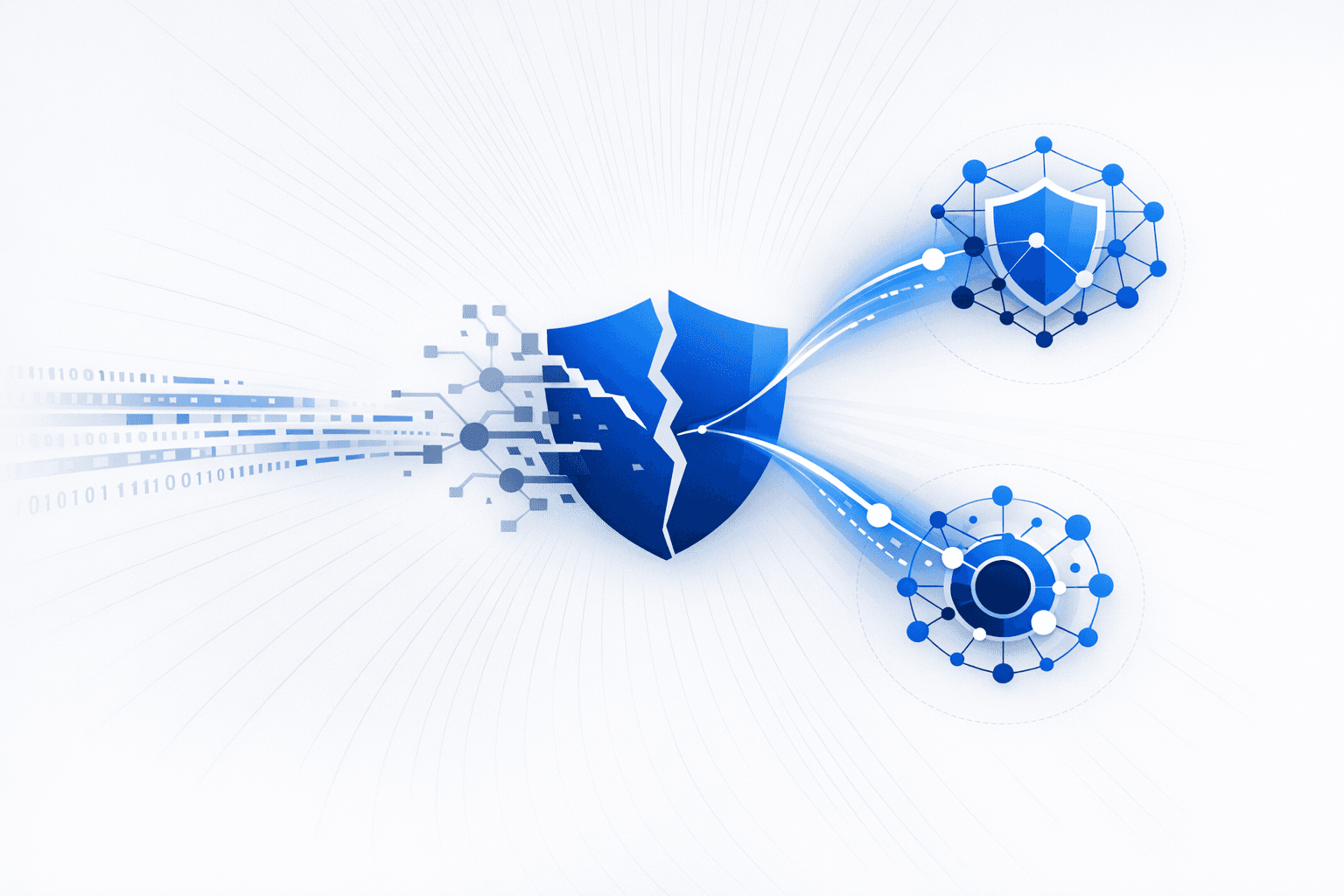
The operators behind TrickBot dismantled much of the botnet’s server infrastructure after months of declining activity, bringing a major cybercrime platform close to an apparent end. Security researchers said the malware had become less effective because its traffic was easier to detect and its infrastructure had been repeatedly disrupted by actions from Microsoft, U.S. Cyber Command, and law enforcement. TrickBot had evolved from a banking trojan into a modular malware platform used for credential theft, lateral movement, and delivery of additional payloads, and it was still seen on more than 140,000 systems during 2021 despite sustained pressure.
The shutdown did not end the threat from the people behind the operation. Reporting tied key TrickBot members and developers to the Conti ransomware group, which was already using related tooling such as BazarBackdoor and, in some assessments, benefiting from overlap with Emotet-linked access operations. U.S. authorities had also moved against alleged members, including the extradition of Russian national Vladimir Dunaev and charges against programmer Alla Witte, underscoring that while the TrickBot botnet was being retired, its operators and tradecraft were being absorbed into other ransomware and initial-access ecosystems.
Why it matters
Impact assessment
TrickBot’s shutdown reduces one long-running malware distribution platform, but the operational risk persists because its operators, developers, and access tradecraft shifted into Conti and BazarBackdoor ecosystems. Enterprises, especially healthcare, government, finance, education, and other large organizations, remain exposed to ransomware, credential theft, lateral movement, and double-extortion activity through successor tooling rather than the retired TrickBot brand.
Key impact facts
- Affected sectors named across references: healthcare, schools, banks, municipal government, energy, agriculture, finance, education, manufacturing, retail, technology, and business services.
- User populations most at risk: enterprise Windows environments, large organizations with Active Directory, and organizations with high annual revenue profiles attractive to ransomware operators.
- TrickBot was observed on more than 140,000 systems during 2021 despite prior disruption efforts.
- DOJ stated TrickBot infected millions of computers worldwide and enabled theft of banking credentials, personal data, and ransomware deployment.
- Conti used TrickBot-provided access to gain remote footholds, pursue administrative control of Active Directory, and deploy ransomware across victim organizations.
- Conti’s double-extortion model included a leak site launched in September 2020 to pressure victims by threatening publication of stolen data.
- Known real-world impact includes the May 2021 Ireland Health Service Executive incident, which disrupted patient care for months.
- Mandiant reported FIN12, closely aligned with TrickBot/BAZARLOADER ecosystems, frequently targeted healthcare and other large enterprises.
- Scope is broad rather than narrowly targeted: historical TrickBot infections were widespread, while successor access operations increasingly focused on higher-value enterprise victims.
- Exploitation in the wild is established. The story describes active criminal use of TrickBot, BazarBackdoor/BazarLoader, Cobalt Strike, Emotet-linked delivery, and Conti ransomware operations.
Entities
- Malware/tooling: TrickBot, BazarBackdoor, BazarLoader, Emotet, Cobalt Strike, Ryuk
- Threat groups/ecosystems: Conti, Wizard Spider, FIN12
- Individuals: Vladimir Dunaev, Alla Witte
- Organizations involved in disruption/reporting: AdvIntel, Intel471, Mandiant, Microsoft, U.S. Cyber Command, U.S. Department of Justice, Check Point, Hold Security, Coveware, Interpol