Russian-Speaking Access Broker Sold Enterprise Breaches and Spied on Ukrainian Targets
Attack Tradecraft · 2 sources · Updated 4mo ago · First seen Aug 3, 2026
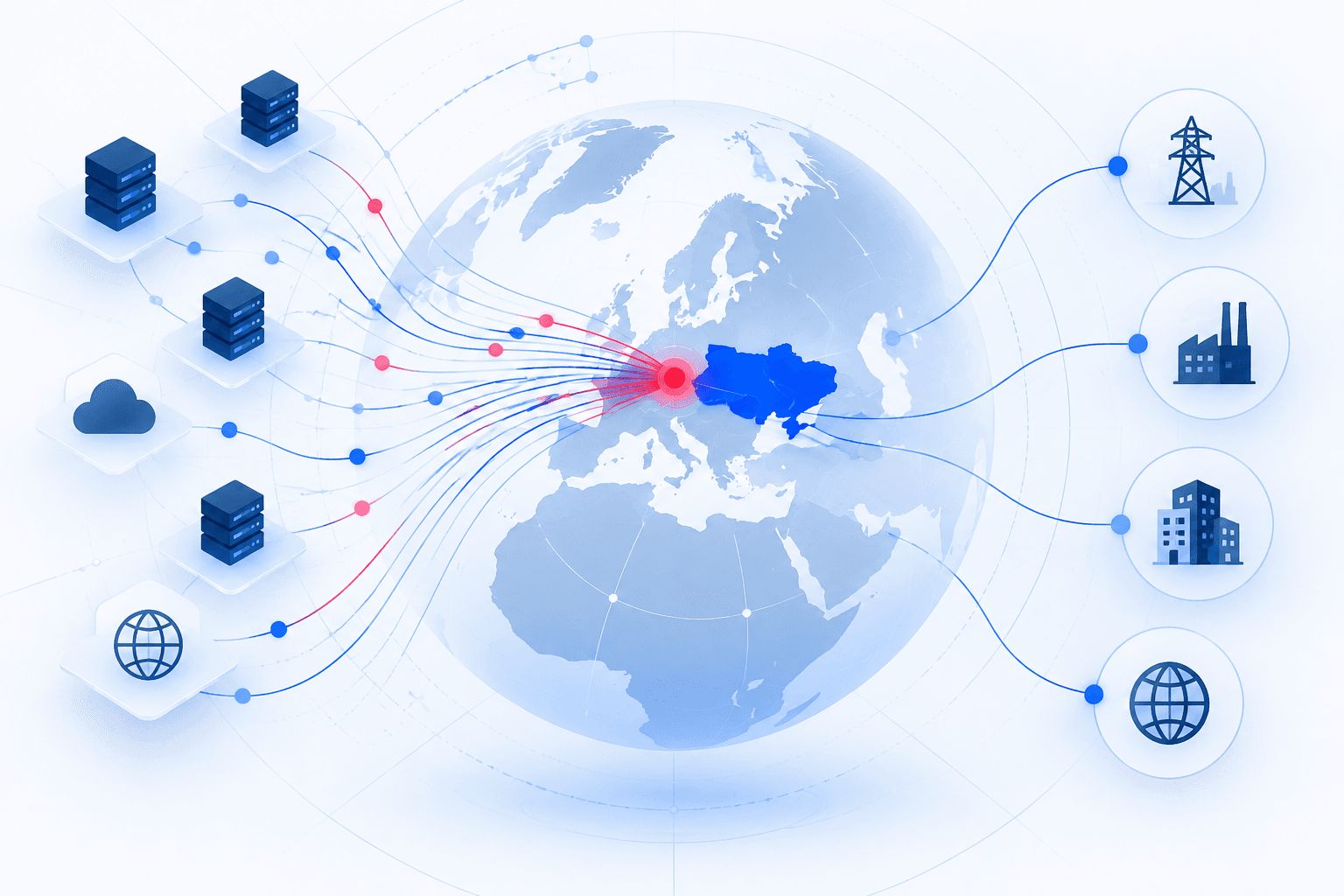
CloudSEK reported that an exposed server uncovered a Russian-speaking initial access broker running a large-scale intrusion operation against internet-facing appliances and public applications across more than a dozen countries. From mid-2025 into late 2026, the actor used public and modified proof-of-concept exploits to compromise organizations in education, healthcare, finance, telecommunications, government, managed services, and other enterprise sectors, then deployed web shells and tunnels, stole credentials, exfiltrated device configurations and cloud backups, and in some cases achieved full Active Directory compromise by obtaining material needed to forge Kerberos tickets.
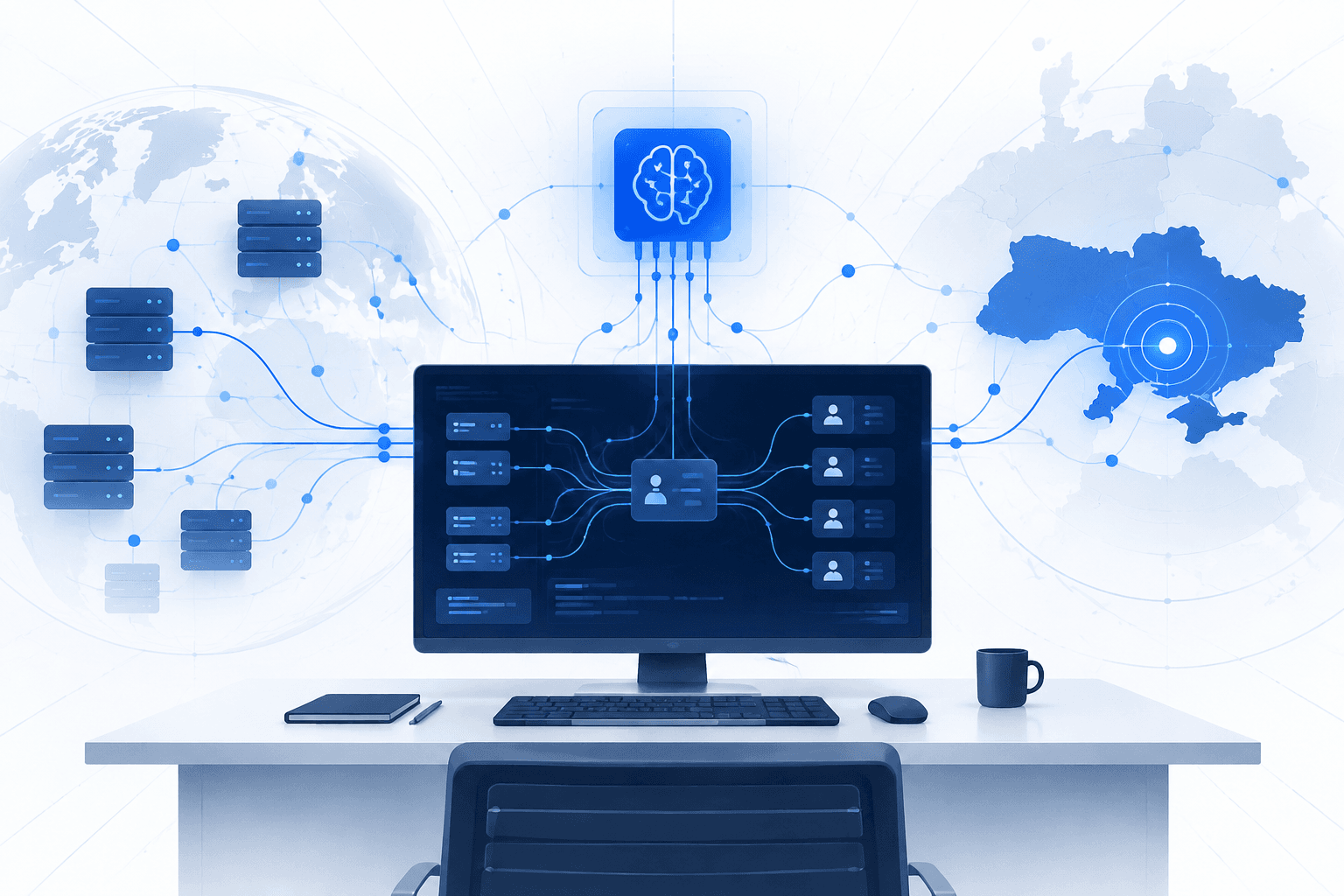
The investigation found that several victims were later claimed by different ransomware groups within weeks, indicating the actor likely sold network access rather than conducting extortion directly. CloudSEK also said the same infrastructure was later used for targeted collection against Ukrainian defence and aerospace entities, including theft from exposed source-code repositories, use of Sliver C2, and collection of imagery and activity from exposed IP cameras and RDP sessions, suggesting an overlap between criminal access brokerage and activity aligned with Russian state-linked intelligence requirements.
Why it matters
Impact assessment
This activity affects organizations running exposed edge appliances, public-facing applications, Windows domains, cloud backup repositories, and internet-accessible cameras or RDP services across multiple sectors. Impact is high because the actor progressed from initial exploitation to credential theft, web-shell persistence, tunnel-based lateral movement, cloud backup theft, and in some cases full Active Directory compromise, with downstream ransomware exposure observed in multiple victim cases.
The scope is broad rather than narrowly targeted in its primary phase, spanning more than a dozen countries and sectors including education, healthcare, finance, telecommunications, government, managed services, and other enterprises. A later phase was targeted against Ukrainian defence and aerospace entities, with collection activity consistent with intelligence support; CloudSEK linked several compromised organizations to later ransomware claims, indicating exploitation in the wild and resale of access.
Supporting facts
- Threat actor type: Russian-speaking initial access broker.
- Affected sectors: education, healthcare, financial services, telecommunications, government, managed services, defence, aerospace, media, energy, commercial, broadcast.
- Geographic scope: more than a dozen countries across North America, Europe, and other regions.
- Business impacts observed:
- Enterprise breach and unauthorized remote access
- Credential theft including NTLM hashes, browser secrets, SAM/LSA secrets, DPAPI backup keys
- Theft of cloud backups and firewall/device configurations
- Exposure of plaintext credentials, certificates, and private keys from decrypted backups
- Full Active Directory compromise in some environments via theft of krbtgt-related material and forged Kerberos tickets
- Follow-on ransomware risk through resale of access to extortion crews
- Known victim examples cited:
- Greater Pittsburgh Orthopaedic Associates, later claimed by RansomHouse
- MARTEC MARINE, later claimed by Tengu
- Ukraine-focused impacts:
- Theft from exposed source-code repositories
- Surveillance collection from exposed IP cameras and RDP sessions
- Potential visibility into facilities, staff movement, logistics, and critical-sector operations
- Exploitation status: active exploitation and post-compromise operations were documented from mid-2025 into late 2026.