CyberXero Uses AI Agents to Target Ukrainian Infrastructure and Global Web Applications
Emerging Technology Risk · 8 sources · Updated 2mo ago · First seen Oct 7, 2026
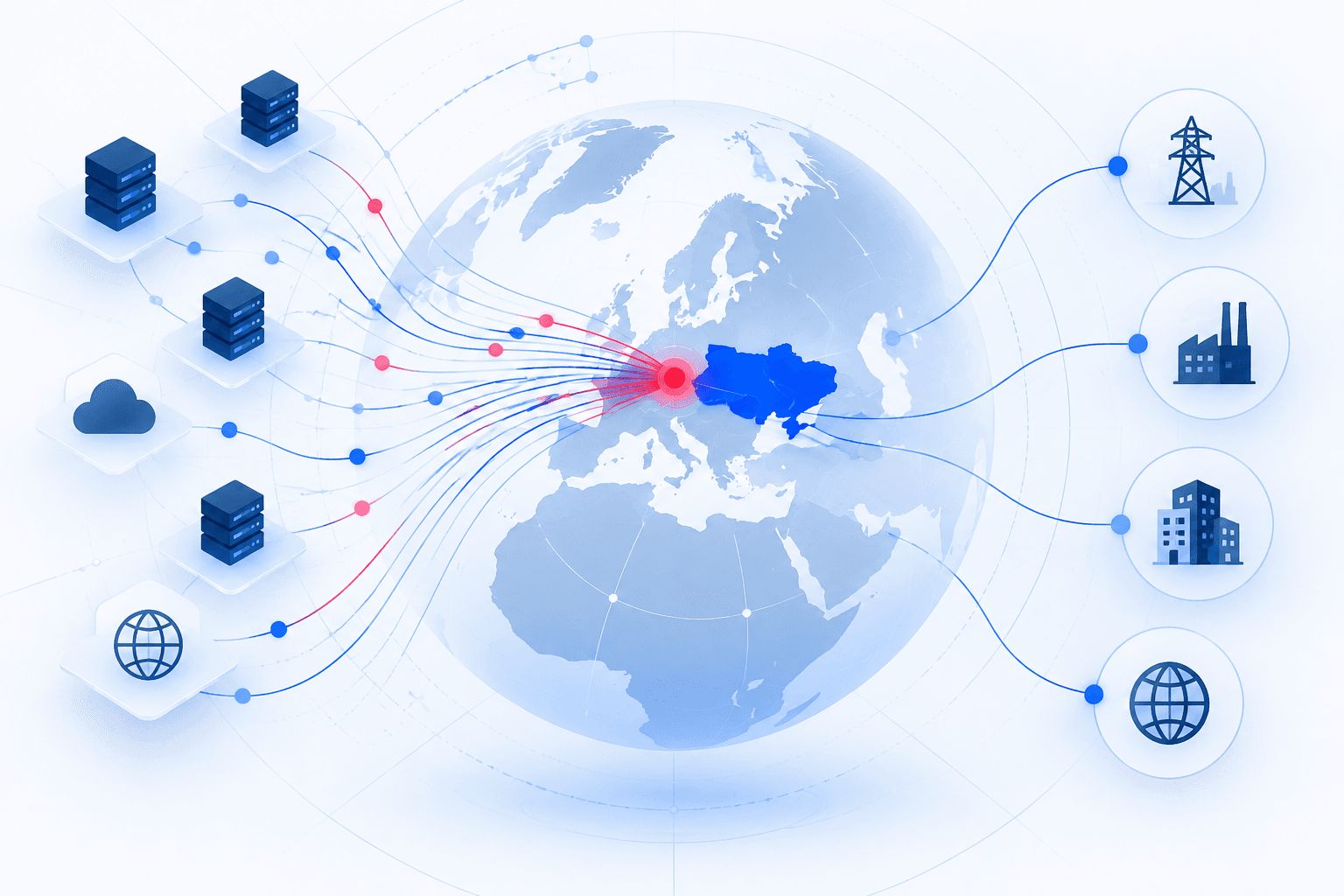
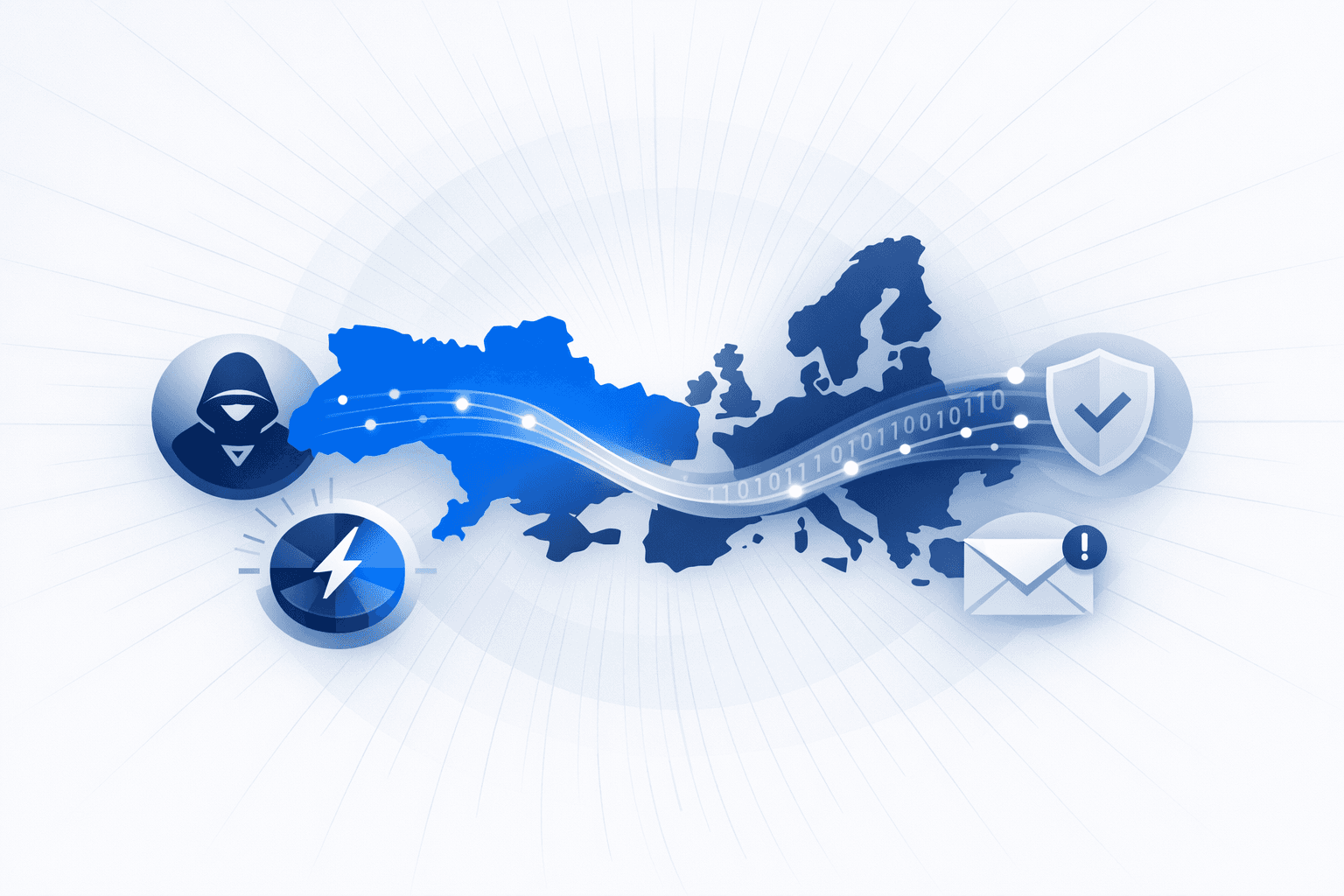
SOCRadar reported that CyberXero, a Russian-speaking, financially motivated initial access broker, is running parallel campaigns against global WordPress and e-commerce sites and Ukrainian critical infrastructure. An exposed working directory contained victim data, exploitation tools, and AI session logs, linking eight infrastructure nodes to the operator. The investigation confirmed data exfiltration from four Ukrainian organizations involving more than 628,000 records associated with Ukrainian individuals, alongside curated reconnaissance against seven energy and utilities entities. CyberXero uses up to 51 specialized Claude Code agents and a PentAGI–Cobalt Strike integration to augment reconnaissance, exploitation, and post-exploitation. Logs showed both successful attempts to bypass AI refusals using fabricated authorization narratives and session resets, and refusals that held.
The operation illustrates adversary practices documented by MITRE ATT&CK: vulnerability scanning (T1595.002), obtaining publicly available or legitimate tools (T1588.002), and acquiring exploits rather than developing them internally (T1588.005). MITRE documents these practices across espionage and criminal groups, including scanning for vulnerabilities in internet-facing applications and using tools such as Cobalt Strike, Impacket, and Mimikatz; those broader examples are not all attributed to CyberXero. Defenders should prioritize internet-facing application patching, investigate suspicious scanning and Cobalt Strike activity, and assess potential data exposure. CyberXero remained active when SOCRadar published its report, but the purpose of its directed Ukrainian campaign and any sale of the resulting access remained unconfirmed.
Why it matters
CyberXero is conducting broad, opportunistic intrusions against WordPress and e-commerce platforms alongside targeted operations against Ukrainian energy and utility organizations. SOCRadar confirmed data theft from four Ukrainian organizations involving more than 628,000 records associated with Ukrainian individuals; exposure of names and home addresses in Kharkiv creates physical-safety risks alongside privacy, financial, and reputational harm. The operation affected more than 40 organizations worldwide and remained active at the report’s publication, but access sales, the Ukrainian campaign’s ultimate objective, and disruption of energy operations were not confirmed.
- Exposure scope: More than 56,000 target URLs; reported activity in Ukraine, Poland, China, and Pakistan. Scanning or reconnaissance does not establish successful compromise of every target.
- Confirmed loss: A Kharkiv district-heating provider lost 564,073 subscriber records, including addresses and account numbers, plus 213,340 access-log entries.
- Critical infrastructure targeting: Curated reconnaissance covered seven Ukrainian energy and utility entities. A list of 95 subdomains included email, VPN, dispatch, and data services at two major energy organizations.
- Business risk: Stolen credentials, persistent web shells, payment-flow skimmer testing, and access-broker activity create exposure to fraud, further intrusion, and downstream criminal exploitation. No completed access sale was established.
- Attribution limit: Russian-language activity and Moscow-time operating patterns support the operator characterization, not attribution to a government.