Mallory
← Back to News
botnet-infrastructuresearch-ad-manipulationidentity-impersonation-fraudthreat-infrastructure-tracking

Infoblox Ties Fake 7-Zip and WireVPN Apps to Residential Proxy Network

Malware Intelligence · 7 sources · Updated 5mo ago · First seen Jul 8, 2026
Infoblox Ties Fake 7-Zip and WireVPN Apps to Residential Proxy Network

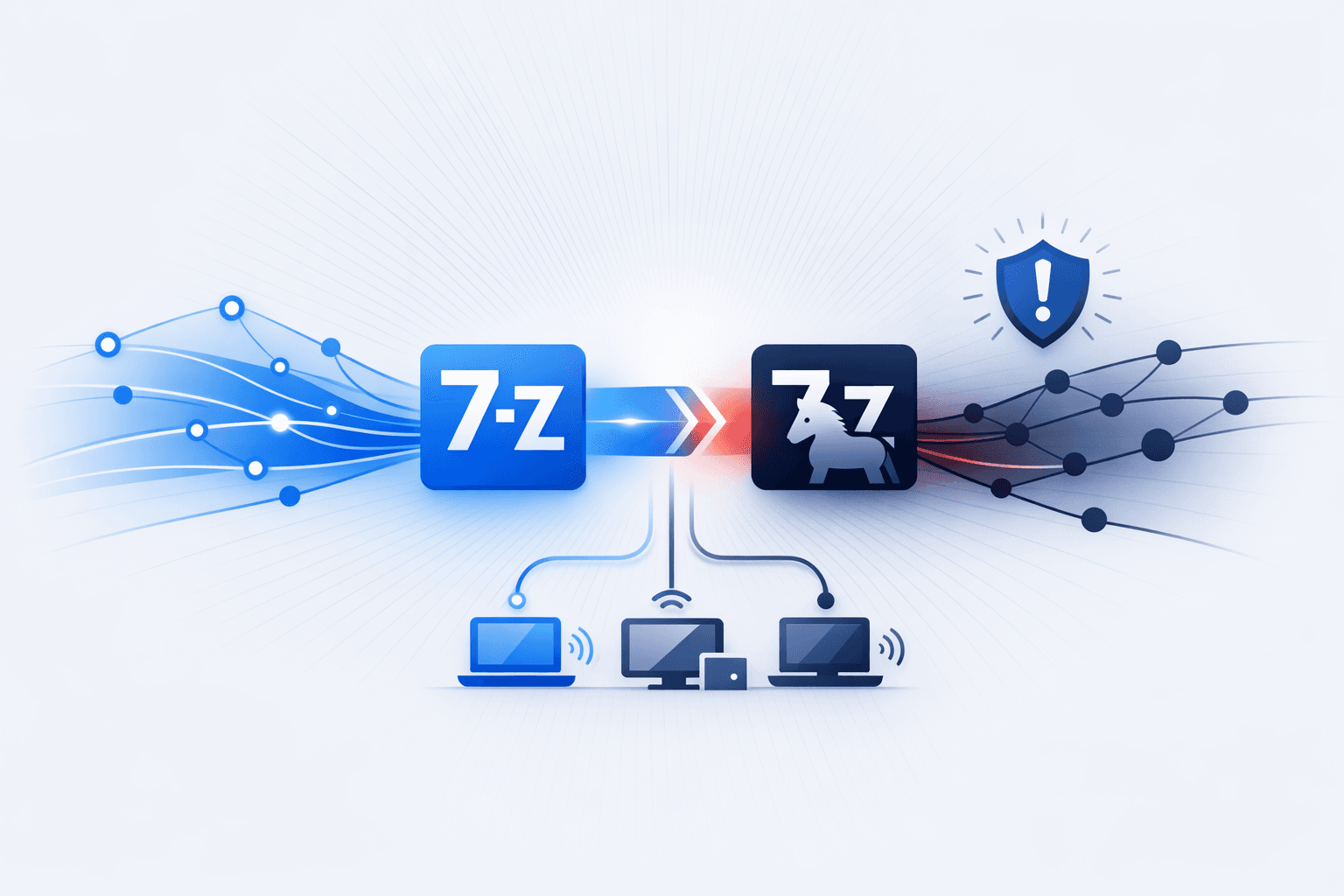
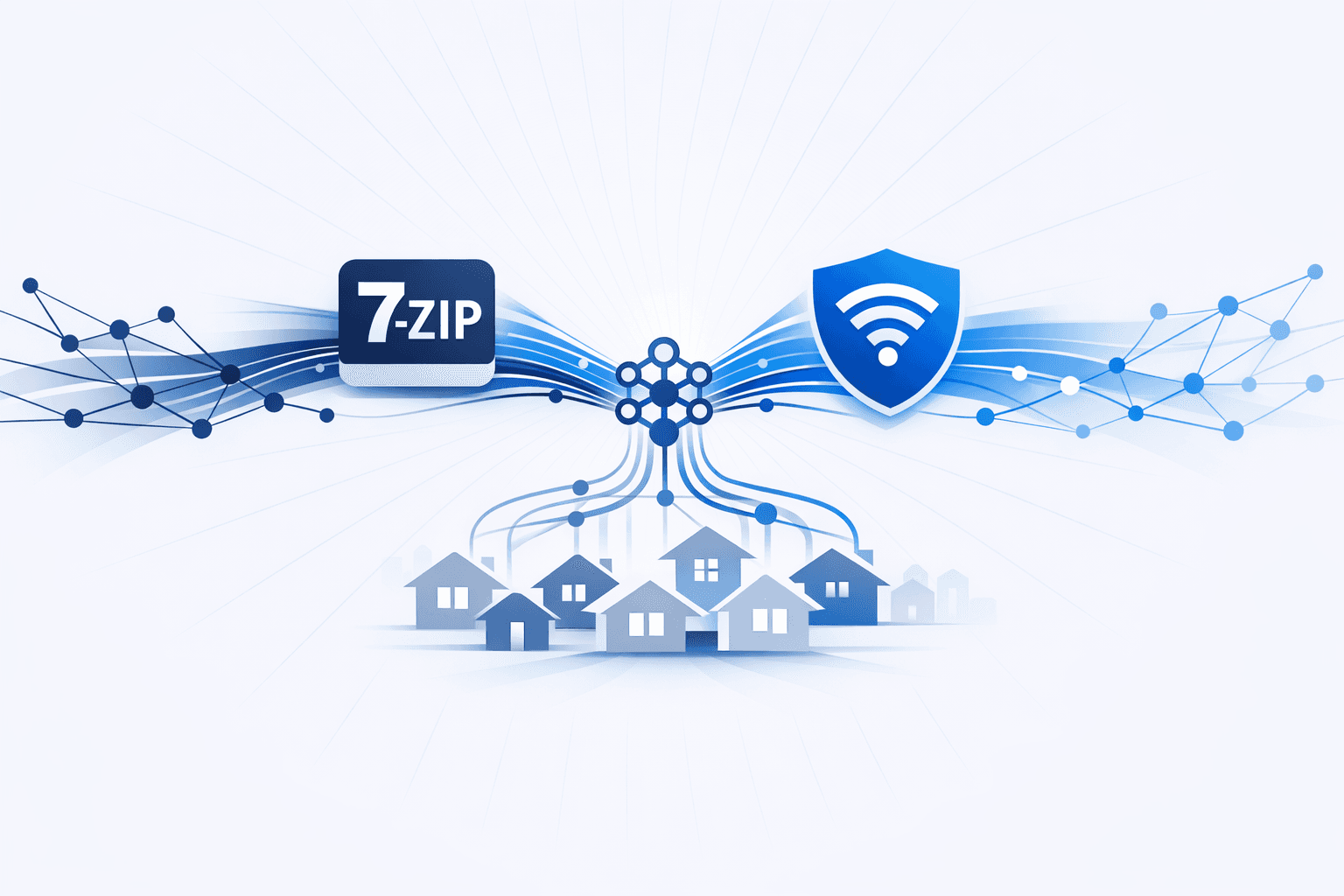
Researchers said the Lurking Lizard operation has used trojanized software, lookalike domains, fake review sites, and impersonated proxy brands since at least 2022 to turn victim devices into residential proxy nodes. One prominent lure was a counterfeit 7-Zip installer hosted on 7zip[.]com, but investigators also tied the activity to fake installers for WhatsApp, TikTok, YouTube downloader tools, and other software through shared WHOIS records, DNS pivots, backend infrastructure, and a hardcoded IPLogger URL. The campaign is linked to more than 230 domains and appears to run a full proxy business that infects victims and then resells their bandwidth and IP addresses.

The operation later expanded under the WireVPN brand across Windows, macOS, Android, and iOS, including mobile apps distributed through Google Play and the Apple App Store; one Android app reportedly surpassed 1 million downloads. Testing found the software behaved more like proxyware or an exit-node client than a legitimate VPN, contacting numerous unrelated IP addresses and opening many simultaneous connections, while valid code-signing certificates helped it appear trustworthy. Researchers assessed the actor is likely China-based, citing registration data and related artifacts, and warned that the infrastructure supports both victim acquisition and the marketing and sale of fraudulent proxy services.

Why it matters

Impact assessment

Lurking Lizard is affecting consumers and enterprises that download software from unofficial sources, as well as organizations with managed Windows, macOS, Android, and iOS endpoints that may have installed WireVPN or trojanized installers. The impact is significant because infected devices can be converted into residential proxy nodes, exposing corporate and home IP space to abuse, creating reputational and legal risk, and enabling bandwidth theft and potential follow-on malicious activity routed through victim infrastructure.

The scope appears broad rather than narrowly targeted. Infoblox linked more than 230 domains to the operation, assessed activity dating back to at least August 2022, and reported WireVPN distribution through Google Play and the Apple App Store, with the Android app exceeding 1 million downloads. This indicates real-world victimization at scale and active monetization through fraudulent proxy services.

Supporting facts

  • Threat actor: Lurking Lizard
  • Activity start: at least August 2022
  • Scale: more than 230 linked domains
  • Delivery themes: fake 7-Zip, WhatsApp, TikTok downloader, YouTube downloader, HeroSMS, WireVPN
  • Abuse model: victim devices enrolled as residential proxy nodes without consent
  • Business impact:
    • bandwidth theft
    • misuse of victim IP addresses for third-party traffic
    • possible security investigations triggered by malicious traffic sourced from victim networks
    • reduced endpoint trust due to valid code-signing and app-store presence
  • Distribution reach:
    • Windows and macOS desktop apps
    • Android and iOS mobile apps
    • Google Play and Apple App Store listings
  • Known large exposure indicator: WireVPN Android app reportedly exceeded 1 million downloads
  • In-the-wild evidence: active campaign documented by Infoblox and corroborated by earlier 2026 analysis of the fake 7-Zip installer
Hunt this familyPull IOCs and campaign context straight into your stack.
Get the IOCs
Event timeline

How this story unfolded

Events from the most recent confirmed update back to the earliest known activity.

5 events · Jan 22, 2026 – Jul 7, 2026
  1. Jul 7, 20265mo ago

    Operation expands under WireVPN branding across app stores

    The activity later evolved into a WireVPN-branded offering distributed across Windows, macOS, Android, iOS, Google Play, and the Apple App Store. Reports said the Android app had more than 1 million downloads and testing showed behavior more consistent with proxy exit-node abuse than a legitimate VPN.

    Proxyware actor behind fake 7-Zip is bigger than you think!
  2. Jul 7, 20265mo ago

    Fake 7-Zip installer campaign appears on 7zip.com

    An early-2026 campaign used a trojanized 7-Zip installer hosted on 7zip[.]com to infect users and enroll their devices into the proxy network. Investigators later linked this lure to the broader Lurking Lizard ecosystem through shared infrastructure and tracking artifacts.

    Proxyware actor behind fake 7-Zip is bigger than you think!
  3. Jul 7, 20265mo ago

    Lurking Lizard operation begins using fake software to build proxy nodes

    Researchers said the Lurking Lizard operation has been active since at least August 2022, using trojanized installers, lookalike domains, and fake brands to turn victim devices into residential proxy nodes and monetize their bandwidth.

    Proxyware actor behind fake 7-Zip is bigger than you think!
  4. Jul 7, 20265mo ago

    Infoblox publishes Lurking Lizard investigation

    Infoblox disclosed a report detailing the Lurking Lizard operation, linking more than 230 domains, fake installers, fake review sites, and impersonated proxy services to a single end-to-end malicious residential proxy business. The report also assessed the actor as likely China-based based on registration and infrastructure artifacts.

    Proxyware actor behind fake 7-Zip is bigger than you think!
  5. Jan 22, 202610mo ago

    Suspicious 7zip.com Windows installers identified and later reverted

    A Japanese SOC reported that in January 2026 the unofficial 7zip[.]com site pointed Windows x64 and x86 downloads to a suspicious installer that dropped files into C:\Windows\SysWOW64\hero and registered hero.exe as a SYSTEM-starting Helper Service. The malicious download links were reportedly changed back to the official 7-zip.org site on 2026-01-26.

    非公式7-Zip Webサイトにて公開されているインストーラによる不審なファイルの展開 - wizSafe Security Signal -安心・安全への道標- IIJ
Linked entities

Related entities

Vulnerabilities, threat actors, malware, products, organizations, breaches, and observables Mallory has linked to this story. Indicator values are masked here and available in full in the app.

Open in app →

Threat actors

1 linked

Malware

1 linked

Affected products

1 linked
7-Zip

Organizations

3 linked
WEILAI NETWORK TECHNOLOGY CO., LIMITEDWIRE LTDWireVPN

Observables

34 linked

Indicator values are masked on this page. View all 34 in Mallory Domains, IPs, hashes, and URLs are exportable to your SIEM.

Do you run this?Pull the IOCs, campaigns, and victimology behind this family, ready to push into your SIEM and EDR.
Hunt This Malware
Mallory platform

See the full picture, correlated to your attack surface.

This page covers what’s public. Mallory adds the parts that aren’t: which of your assets are affected, which threat actors are using it right now, and what to deploy next.

Exposure mappingMap indicators from this story to your assets and identify affected systems in minutes.
Threat actor evidenceEvery observed campaign, victim, and pivot linked to actors named in this story.
Associated malwareMalware, exploits, and IOCs connected to the activity described here.
Detection signaturesYARA, Sigma, and Snort rules deployed to your SIEM as soon as they’re published.
Scheduled alertsGet matching new stories delivered to your team as they break, not the next morning.
AI threadsAsk questions about this story and take action on the answers.