Fake software and streaming sites spread remote access malware and proxyware
Social Engineering & Fraud · 4 sources · Updated 5mo ago · First seen Jul 6, 2026
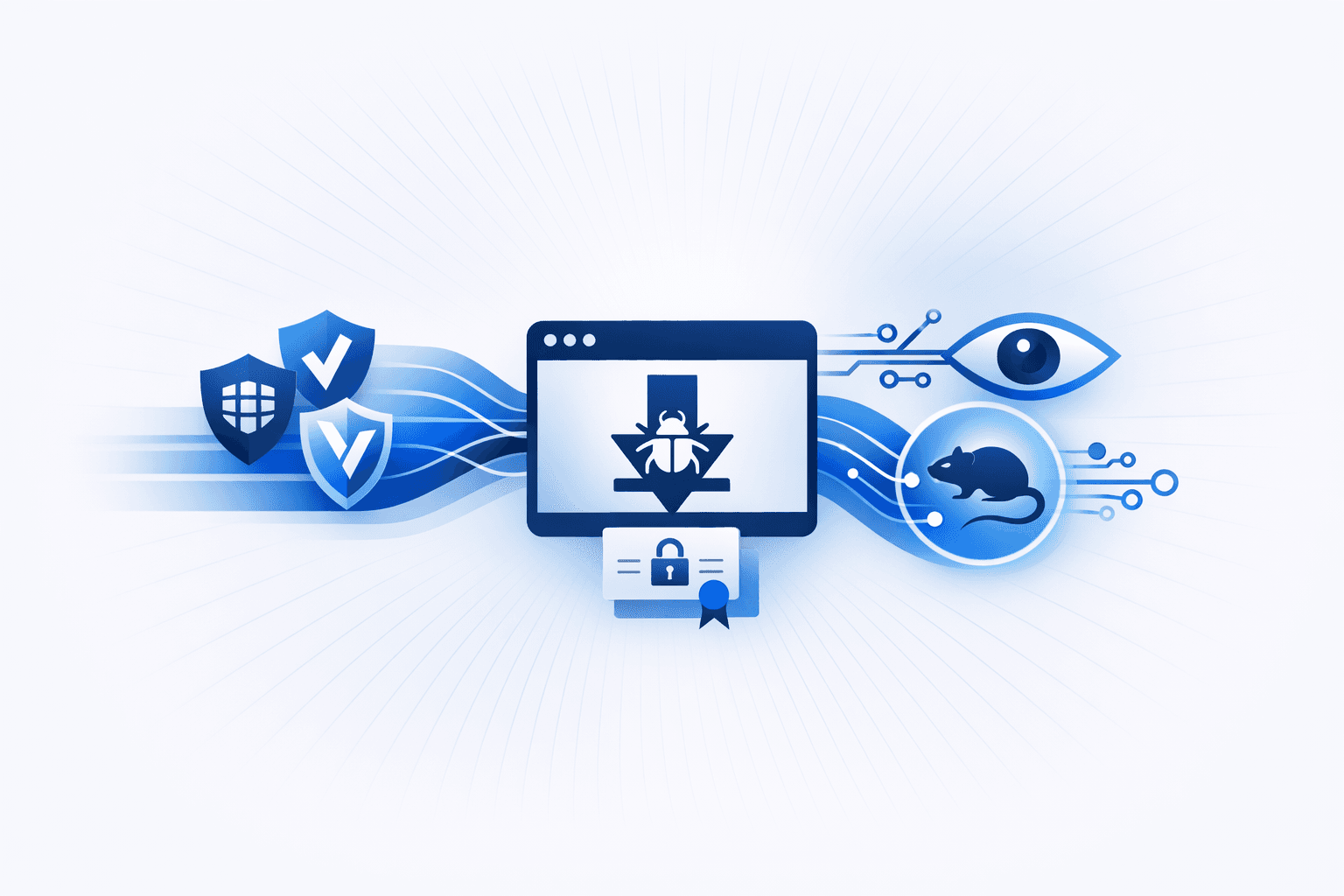
Researchers reported multiple campaigns using fake download and streaming sites to compromise users with remote access tools, malware, and proxyware. Kaspersky found more than 90 spoofed domains in 10 languages promoting bogus Windows software downloads through search engine optimization; the delivered archives used DLL sideloading to install the expected application alongside ScreenConnect, then deployed AsyncRAT for persistent access. In one investigated case, the attackers altered Microsoft Defender exclusions, disabled User Account Control, and used process hollowing into RegAsm.exe to launch the payload, creating risk for both consumers and enterprise networks because remote administration tools are often allowlisted and may run with elevated privileges.
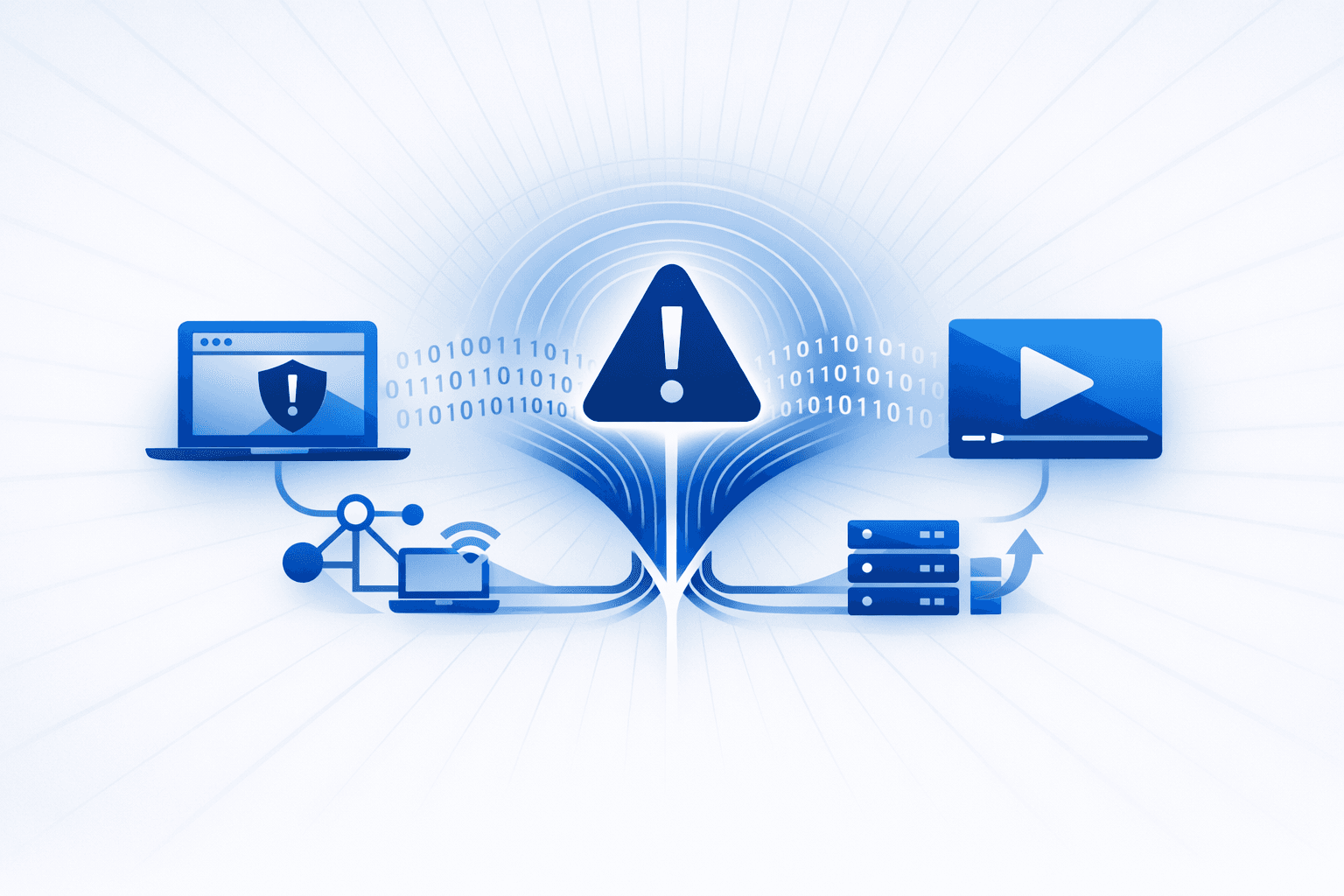
A parallel set of campaigns abused demand for free media and utilities to lure victims into installing unwanted software that can expose systems and internet connections to criminal use. Researchers tracking World Cup-themed piracy sites found rotating mirror domains, typosquatting, and cloud-hosted pages pushing fake Stremio installers, VPN-themed lures, and affiliate-style downloads tied to malware, phishing, and scams. Separate analysis of a fake 7-Zip installer showed a Go-based backdoor that converted infected Windows hosts into residential proxy nodes, while broader threat reporting warned that free VPNs, streaming apps, browser extensions, and cheap IoT products are increasingly used to build residential proxy networks that criminals exploit for fraud, scraping, account abuse, and evasion.
Why it matters
Impact assessment
Fake software download sites, pirated streaming portals, and trojanized utility installers are exposing both consumers and enterprise users to remote access malware and residential proxy abuse. The impact ranges from full host compromise and credential theft to downstream abuse of victim internet connections for fraud, scraping, phishing, and evasion, with reputational and operational consequences for affected organizations.
Key impact points
- Affected populations:
- Individual users seeking free Windows utilities, streaming apps, VPNs, or pirated sports streams.
- Enterprise users who install freeware or remote support tools on managed Windows endpoints.
- Organizations whose endpoints or egress IP space can be abused as residential proxy infrastructure.
- Severity:
- High for endpoints infected with ScreenConnect plus AsyncRAT because attackers gain persistent remote control, data theft capability, and a path to deploy additional malware.
- Moderate to high for proxyware infections because victim systems and IP addresses can be used to relay criminal traffic, causing account flagging, CAPTCHA challenges, reputation damage, and possible legal or compliance exposure.
- Scope:
- Broad and opportunistic. Kaspersky identified more than 90 spoofed domains in 10 languages, and Gurucul described a large rotating network of World Cup-themed streaming domains.
- Infoblox reported 65% of Threat Defense Cloud customers made DNS queries in 2026 to domains associated with residential proxy access or orchestration, totaling more than 500 billion queries per month.
- Known exploitation:
- Yes. Researchers documented active delivery of ScreenConnect, AsyncRAT, fake Stremio installers, and a fake 7-Zip installer that converts Windows hosts into proxy nodes.
- Kaspersky observed post-compromise actions including Defender exclusion changes, UAC disabling, and process hollowing into RegAsm.exe.
Structured facts extracted
- Entities:
- Kaspersky
- Infoblox Threat Intel
- Gurucul Threat Research
- Palo Alto Networks Unit 42
- ScreenConnect
- AsyncRAT
- Stremio
- 7-Zip
- JOZEAL NETWORK TECHNOLOGY CO., LIMITED
- Industries and user groups affected:
- Consumer software download users
- Sports streaming and piracy audiences
- Enterprise Windows endpoint users
- Organizations relying on IP reputation and trusted remote administration tooling
- Business risks:
- Credential theft
- Unauthorized remote access
- Additional malware deployment
- Abuse of corporate or residential IPs for fraud and scraping
- Reputational damage and account restrictions tied to malicious traffic from victim IP space