70+ Fake Windows App Sites Push Trojanized Installers and Remote Access Malware
Social Engineering & Fraud · 2 sources · Updated 4mo ago · First seen Jul 27, 2026
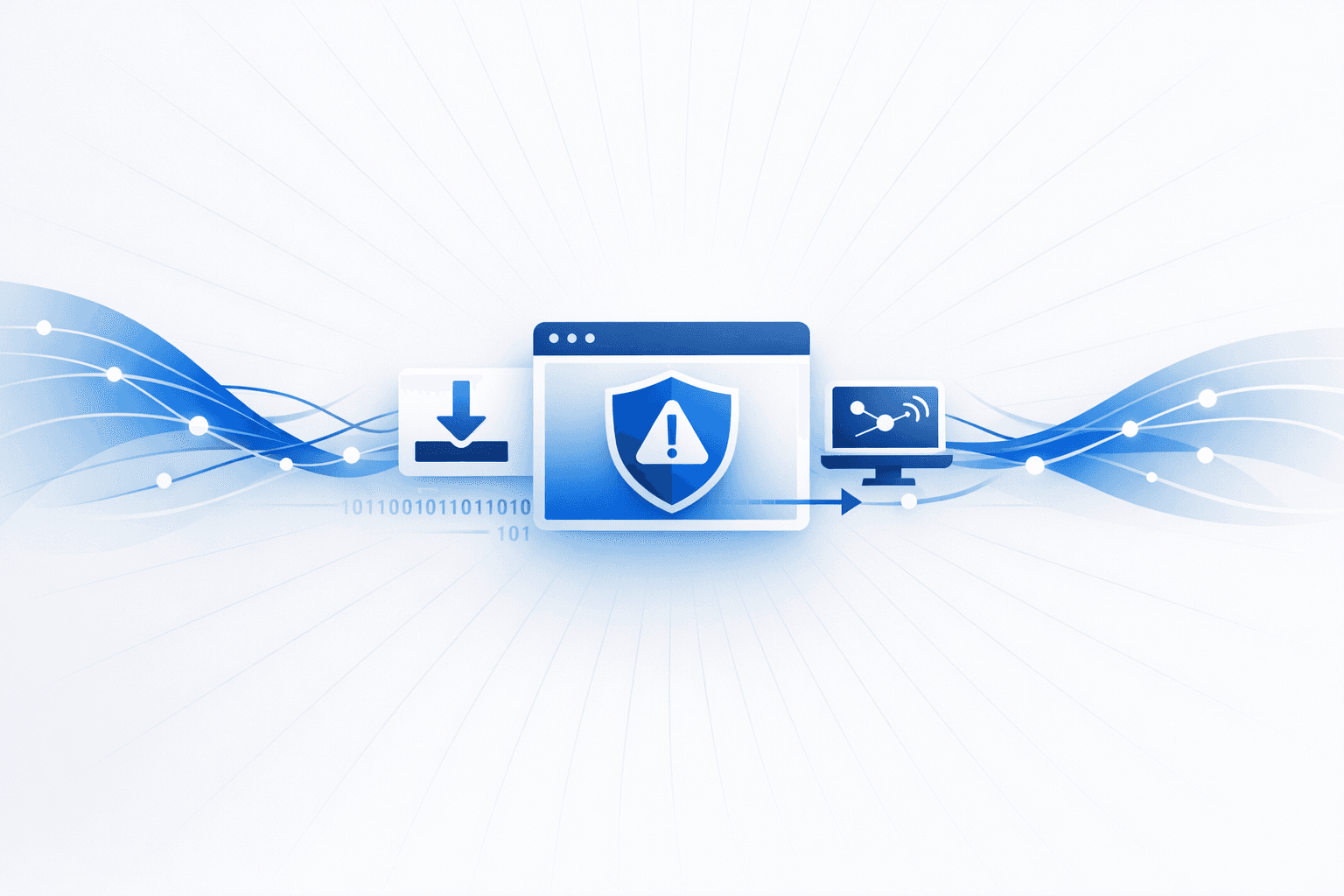
Attackers have set up more than 70 lookalike websites impersonating popular Windows utility and customization apps, including Wintoys, PowerToys, WinUtil, EasyBCD, CrystalDiskMark, Lively Wallpaper, and SignalRGB, to lure users searching for downloads. The campaign was uncovered after Wintoys developer Bogdan Pătrăucean identified a cloned site for his app and traced it to a wider domain cluster linked by the anonymized WHOIS contact 43345@anonymize.com, with operators reportedly shifting domains to a new registrar after scrutiny.
Researchers said the sites use a staged approach: some initially serve legitimate installers to build trust, then later replace them with malicious downloads. Observed payloads include trojanized installers, persistent ScreenConnect remote-access software, RemusStealer, AnimateClipper, and bandwidth-sharing software, while proxy-backed hosting has helped keep parts of the infrastructure online. Some domains have been flagged by Cloudflare or added to Hagezi blocklists, but many remain active, increasing the risk for users who download Windows apps from search results instead of official developer pages or the Microsoft Store.
Why it matters
Impact assessment
This campaign affects Windows users searching for popular utility and customization apps, along with software vendors whose brands are being impersonated. Risk is highest for consumer endpoints, prosumer/admin workstations, and small organizations that rely on web search rather than official vendor pages or the Microsoft Store for software acquisition.
The impact can be severe because observed payloads include remote-access software, infostealers, clipboard hijacking malware, and bandwidth-sharing software. Successful compromise can lead to credential theft, cryptocurrency theft, persistent unauthorized access, follow-on malware deployment, and reputational or operational damage if infected systems are used as footholds.
The exposure is broad rather than narrowly targeted: more than 70 lookalike domains were identified, many remain active, and search-engine placement increases victim reach. There are reported cases of active malware delivery in the wild, including fake Lively Wallpaper and SignalRGB sites.
Supporting facts
- More than 70 fake websites were identified impersonating popular Windows applications.
- Impersonated brands/apps include Wintoys, PowerToys, WinUtil, EasyBCD, CrystalDiskMark, Lively Wallpaper, SignalRGB, and Mica For Everyone.
- Search engines reportedly surfaced some fake pages near the top of results.
- Some sites initially served legitimate links or installers, then later swapped in malicious downloads after building trust and traffic.
- Observed malicious outcomes include persistent ScreenConnect deployment, RemusStealer infection, AnimateClipper infection, and installation of bandwidth-sharing software.
- Known active malicious domains cited in reporting include signalrgb.io and livelywallpaper.app.
- Proxy-backed hosting and registrar migration have helped the infrastructure remain online despite reporting and blocklisting.