Mallory
← Back to News
botnet-infrastructureremote-access-implantcommand-and-control-methodextension-plugin-hijack

Malicious Android Apps Turned Phones Into Residential Proxy Nodes

Malware Intelligence · 2 sources · Updated 5mo ago · First seen May 25, 2026
Malicious Android Apps Turned Phones Into Residential Proxy Nodes

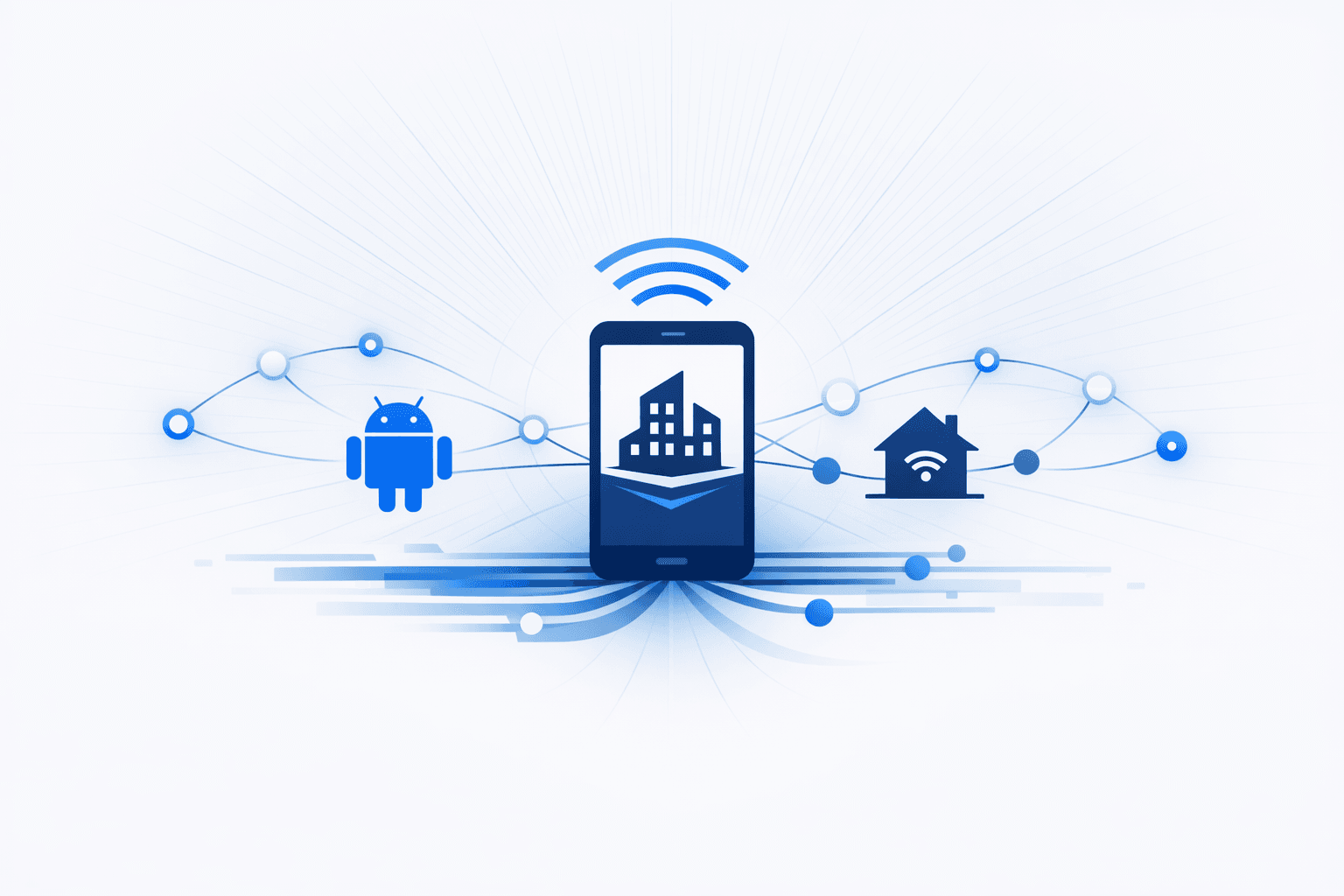
Researchers reported that malicious Android applications, including VPN-themed apps and software built with the LumiApps SDK, secretly enrolled users’ devices into a proxy network and routed third-party traffic through them without informed consent. HUMAN’s Satori team said the operation, tracked as PROXYLIB, used a Golang-based native library, libgojni.so, to contact command-and-control servers, register infected phones, and maintain persistent proxy connections through Android services and boot receivers.

The activity was linked to earlier infections found in Oko VPN and 28 related Google Play apps, as well as a later variant that could be embedded during app development or injected into APKs without source-code access. Investigators said the infrastructure and monetization appeared tied to Asocks, a residential proxy service, indicating the compromised devices were likely being sold as proxy exit nodes for cybercriminal use. Google removed the identified apps from Google Play, and Google Play Protect now detects or blocks known PROXYLIB-related applications, while researchers warned the operators are likely to keep shifting to third-party app stores and modified APK distribution.

Why it matters

Impact assessment

PROXYLIB affected Android users who installed malicious VPN-themed apps, LumiApps-enabled apps, or modified APKs from third-party sources. The impact is significant because infected phones were covertly converted into residential proxy exit nodes, exposing users and organizations to bandwidth abuse, reputational risk, fraud attribution, and potential policy or legal issues if malicious traffic appeared to originate from their devices.

The exposure was broader than a single app and spanned at least Oko VPN, 28 related Google Play apps, and hundreds of apps in third-party repositories. Exploitation occurred in the wild: HUMAN observed active device enrollment, proxy traffic relays to multiple online services, and monetization tied to the Asocks residential proxy network.

Supporting facts

  • Affected population: Android users installing free VPN apps, LumiApps-integrated apps, and modded APKs outside official stores.
  • Products/ecosystem affected: Android applications distributed via Google Play and third-party app repositories.
  • Known malicious app family: Oko VPN Android app; iOS version was reported as not malicious.
  • Scope: 28 identified Google Play apps were removed; researchers also identified hundreds of apps in third-party repositories with LumiApps indicators.
  • Abuse potential: Residential proxies can support ad fraud, credential stuffing, password spraying, account takeover, transaction abuse, and web scraping.
  • Observed misuse: Researchers said Oko VPN operators used infected-device IP space primarily for ad fraud against video streaming platforms.
  • Business impact: Mobile fleets can incur network abuse, degraded battery/data usage, reputational damage from suspicious outbound traffic, and increased fraud investigation burden.
  • Wild exploitation: HUMAN demonstrated that traffic from an Asocks client exited through an infected Android test device, confirming operational proxy-node use.
Hunt this familyPull IOCs and campaign context straight into your stack.
Get the IOCs
Event timeline

How this story unfolded

Events from the most recent confirmed update back to the earliest known activity.

3 events · May 30, 2026
  1. May 30, 20266mo ago

    HUMAN identifies LumiApps as a later PROXYLIB SDK-based variant

    HUMAN found that a later variant of the operation used the LumiApps SDK, which could be integrated during app development or injected into APKs without source code access. The SDK used a Golang native library, libgojni.so, to contact command-and-control infrastructure, enroll devices, and maintain persistent proxy connections.

    Satori Threat Intelligence Alert: PROXYLIB and LumiApps Transform Mobile Devices into Proxy Nodes - HUMAN Security
  2. May 30, 20266mo ago

    Google removes 28 identified PROXYLIB-related apps from Google Play

    Google removed 28 identified apps from the Play Store after they were linked to the PROXYLIB Android proxy-enrollment operation. Google Play Protect also began detecting or blocking known PROXYLIB-related apps.

    Satori Threat Intelligence Alert: PROXYLIB and LumiApps Transform Mobile Devices into Proxy Nodes - HUMAN Security
  3. May 30, 20266mo ago

    HUMAN links Oko VPN and 28 Play Store apps to PROXYLIB operation

    HUMAN Security analyzed an earlier PROXYLIB variant observed in Oko VPN and 28 related Google Play apps that covertly enrolled Android devices as residential proxy nodes. The investigation also tied the operation to Asocks, a residential proxy seller believed to monetize traffic routed through affected devices.

    Satori Threat Intelligence Alert: PROXYLIB and LumiApps Transform Mobile Devices into Proxy Nodes - HUMAN Security
Linked entities

Related entities

Vulnerabilities, threat actors, malware, products, organizations, breaches, and observables Mallory has linked to this story. Indicator values are masked here and available in full in the app.

Open in app →

Organizations

2 linked
AsocksLumiApps

Observables

10 linked

Indicator values are masked on this page. View all 10 in Mallory Domains, IPs, hashes, and URLs are exportable to your SIEM.

Do you run this?Pull the IOCs, campaigns, and victimology behind this family, ready to push into your SIEM and EDR.
Hunt This Malware
Mallory platform

See the full picture, correlated to your attack surface.

This page covers what’s public. Mallory adds the parts that aren’t: which of your assets are affected, which threat actors are using it right now, and what to deploy next.

Exposure mappingMap indicators from this story to your assets and identify affected systems in minutes.
Threat actor evidenceEvery observed campaign, victim, and pivot linked to actors named in this story.
Associated malwareMalware, exploits, and IOCs connected to the activity described here.
Detection signaturesYARA, Sigma, and Snort rules deployed to your SIEM as soon as they’re published.
Scheduled alertsGet matching new stories delivered to your team as they break, not the next morning.
AI threadsAsk questions about this story and take action on the answers.