Mallory
← Back to News
payload-delivery-evasionsearch-ad-manipulationloader-delivery-mechanismremote-access-implant

Cryptomining Malware Uses DLL Sideloading on Pirate Sites and Fake Utility Downloads

Social Engineering & Fraud · 2 sources · Updated 5mo ago · First seen May 28, 2026
Cryptomining Malware Uses DLL Sideloading on Pirate Sites and Fake Utility Downloads

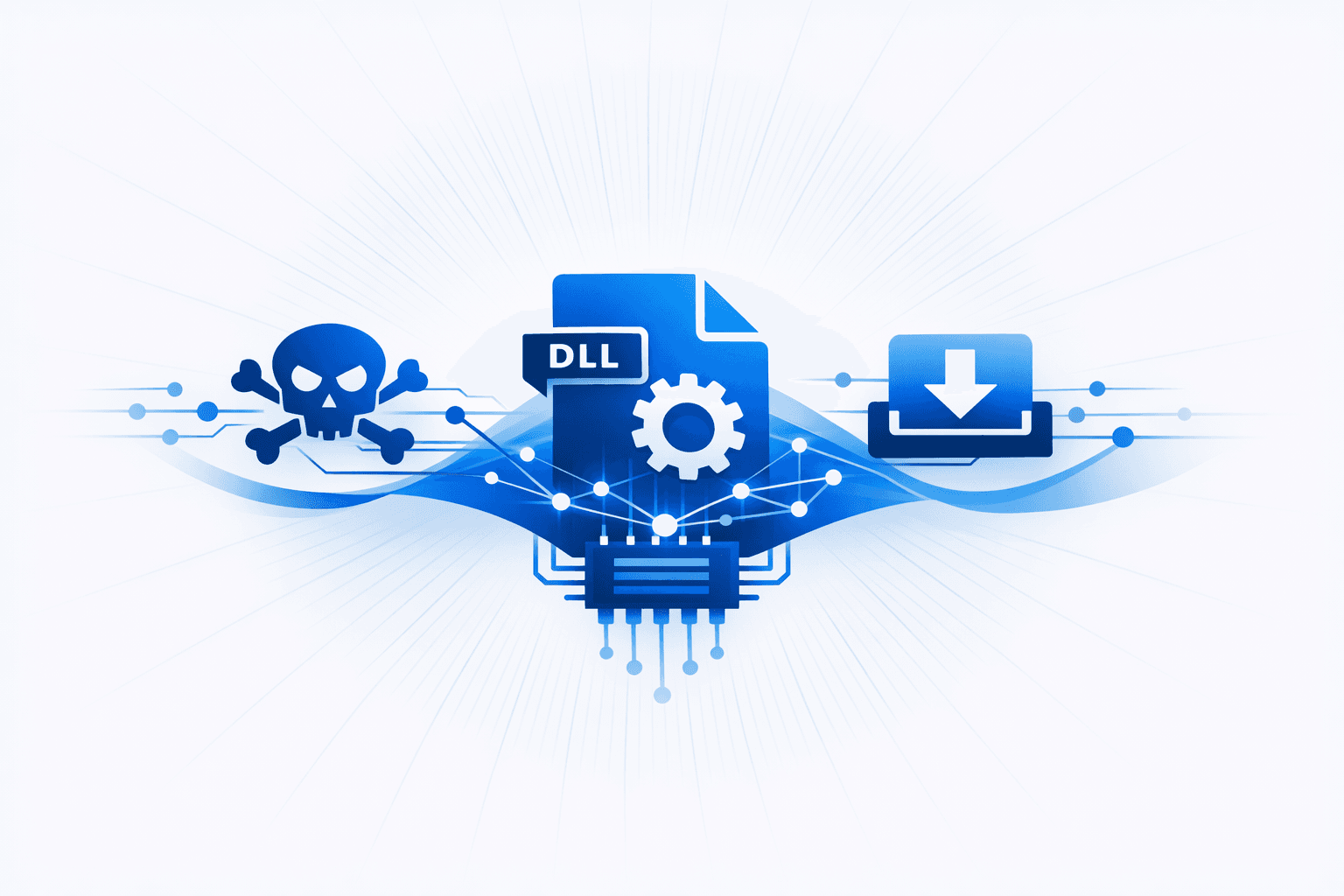
Researchers reported two malware campaigns that install cryptocurrency miners through trojanized downloads delivered from pirate streaming sites and fake software portals. In one operation, users visiting illicit movie and TV sites were shown a bogus video-plugin update that delivered a ZIP archive containing a legitimate executable and a malicious DLL; the DLL sideloaded a multi-stage miner framework with persistence, defense evasion, a watchdog, a RAT component, and CPU/GPU mining modules. The malware, a modified fork of SilentCryptoMiner, used DNS tunneling for execution gating, installed a service named GoogleUpdateTaskMachineQC, weakened Windows defenses, injected into conhost.exe and explorer.exe, and communicated through rotating domains and infrastructure tied to 107[.]172[.]212[.]235.

Microsoft described a related cryptojacking-focused campaign aimed at owners of high-performance PCs, using fake downloads of popular utilities and hardware-monitoring tools that were promoted through SEO poisoning and, more recently, surfaced in AI assistant recommendations. Those ZIP archives also paired a legitimate executable with a malicious DLL for sideloading, then installed ScreenConnect for persistent remote access, set registry autoruns and scheduled tasks, added Microsoft Defender exclusions, checked for analysis tools, and used process hollowing to launch payloads inside trusted Windows processes. After profiling infected systems, the attackers fetched GPU miners including gminer, lolMiner, and SRBMiner-MULTI; researchers warned the access could support not only cryptomining but also data theft, lateral movement, and eventual ransomware deployment.

Why it matters

Impact assessment

These campaigns primarily affect Windows users who download software from pirate streaming sites, fake utility portals, poisoned search results, or AI-assisted software recommendations. The highest-risk population is owners of high-performance consumer or workstation PCs with discrete GPUs, because the operators selectively monetize powerful hardware and maintain persistent remote access that can support follow-on intrusion.

The immediate impact is resource hijacking and system degradation from CPU/GPU cryptomining, but the broader risk is materially higher because one campaign deploys a RAT and the other installs ScreenConnect for durable remote access. Researchers explicitly assess potential for data theft, lateral movement, and later ransomware deployment; one pirate-site campaign also had potentially broad exposure, with infected resources receiving about 40 million visits in April 2026.

Affected entities and exposure

  • Affected platforms: Windows endpoints
  • Affected user groups:
    • Users of pirate movie/TV streaming sites
    • Users seeking utilities such as CrystalDiskInfo, HWMonitor, Display Driver Uninstaller, FurMark, K-Lite Codec Pack, and PDFgear
    • Owners of high-performance PCs with powerful GPUs
  • Delivery ecosystems:
    • SEO-poisoned software download results
    • Malicious domains surfaced in AI assistant responses
    • Fake video-plugin update prompts on pirate sites
    • Fake software portals distributing ZIP archives

Severity and scope

  • Operational impact:
    • CPU/GPU exhaustion and degraded endpoint performance
    • Reduced battery/power efficiency and increased hardware wear
    • Persistence mechanisms that survive reboot and user cleanup attempts
  • Security impact:
    • Persistent remote access via ScreenConnect
    • RAT-based command execution and in-memory payload execution
    • Defender weakening and removal of security controls
  • Scope:
    • Pirate-site campaign appears broad and opportunistic
    • Fake-utility campaign is more selective, targeting systems with strong GPUs for higher mining yield
  • Exploitation status:
    • Both campaigns were observed in active operations in the wild
    • Researchers tied the pirate-site activity to a campaign active since at least 2022

Structured facts extracted

  • Entity names:
    • Microsoft
    • Securelist / Kaspersky researchers
    • NTT Security
    • ScreenConnect
    • SilentCryptoMiner
    • XMRig
    • gminer
    • lolMiner
    • SRBMiner-MULTI
  • Notable malware/service names:
    • SimpleRunPE.exe
    • vlc.exe
    • HLS Installer.874.exe
    • GoogleUpdateTaskMachineQC
Is your org in this campaign?Get the infrastructure and lures behind it.
Hunt this campaign
Event timeline

How this story unfolded

Events from the most recent confirmed update back to the earliest known activity.

7 events · May 28, 2026 – May 29, 2026
  1. May 29, 20266mo ago

    Microsoft campaign details reported publicly by Xakep

    Xakep reported Microsoft's findings on the campaign that abuses fake software downloads and AI assistant recommendations to deliver malware and GPU miners to powerful PCs.

    Майнинговая малварь распространяется через рекомендации ИИ-чат-ботов - Хакер
  2. May 29, 20266mo ago

    Microsoft identifies campaign targeting high-performance PCs

    Microsoft researchers identified a malware campaign that lured owners of high-performance PCs with fake downloads of popular utilities and hardware monitoring tools. The malware used DLL sideloading, installed ScreenConnect for persistent remote access, established persistence and Defender exclusions, and then deployed GPU-focused cryptocurrency miners.

    Майнинговая малварь распространяется через рекомендации ИИ-чат-ботов - Хакер
  3. May 29, 20266mo ago

    AI assistant recommendations observed surfacing malware domains

    Microsoft researchers said that by spring 2026 they observed malicious domains from a cryptojacking campaign appearing in AI assistant responses when users asked where to download popular software. The campaign had previously relied on SEO poisoning before expanding to this delivery vector.

    Майнинговая малварь распространяется через рекомендации ИИ-чат-ботов - Хакер
  4. May 28, 20266mo ago

    Kaspersky publishes technical details and IOCs for miner-RAT campaign

    Kaspersky disclosed technical analysis of the pirate-site campaign, including its modified SilentCryptoMiner fork, DNS-tunneling execution gating, persistence via GoogleUpdateTaskMachineQC, RAT communications, hashes, detections, and C2 indicators.

    Майнер с RAT-модулем в подарок к сериалу и книге | Securelist
  5. May 28, 20266mo ago

    Pirate resources tied to campaign draw about 40 million April visits

    Kaspersky reported that the infected pirate resources associated with the campaign collectively received about 40 million visits in April 2026, indicating potentially large exposure.

    Майнер с RAT-модулем в подарок к сериалу и книге | Securelist
  6. May 28, 20266mo ago

    Late-April 2026 pirate streaming infection investigated

    Researchers investigated an infection in late April 2026 in which users visiting pirate streaming sites were shown a fake video-plugin update prompt that delivered a ZIP archive containing a legitimate executable and a malicious DLL for sideloading. The resulting malware chain installed a multi-stage miner framework with persistence, defense evasion, a watchdog, a RAT component, and CPU/GPU mining modules.

    Майнер с RAT-модулем в подарок к сериалу и книге | Securelist
  7. May 28, 20266mo ago

    Pirate-site malware campaign active since at least 2022

    Kaspersky said the miner campaign delivered via pirate movie and TV streaming resources appears to be a continuation of broader activity that has been active since at least 2022.

    Майнер с RAT-модулем в подарок к сериалу и книге | Securelist
Linked entities

Related entities

Vulnerabilities, threat actors, malware, products, organizations, breaches, and observables Mallory has linked to this story. Indicator values are masked here and available in full in the app.

Open in app →

Observables

17 linked

Indicator values are masked on this page. View all 17 in Mallory Domains, IPs, hashes, and URLs are exportable to your SIEM.

Do you run this?Get the infrastructure, lures, and IOCs behind this campaign, ready to push into your email and identity stack.
Hunt This Campaign
Mallory platform

See the full picture, correlated to your attack surface.

This page covers what’s public. Mallory adds the parts that aren’t: which of your assets are affected, which threat actors are using it right now, and what to deploy next.

Exposure mappingMap indicators from this story to your assets and identify affected systems in minutes.
Threat actor evidenceEvery observed campaign, victim, and pivot linked to actors named in this story.
Associated malwareMalware, exploits, and IOCs connected to the activity described here.
Detection signaturesYARA, Sigma, and Snort rules deployed to your SIEM as soon as they’re published.
Scheduled alertsGet matching new stories delivered to your team as they break, not the next morning.
AI threadsAsk questions about this story and take action on the answers.