Mallory
← Back to News
loader-delivery-mechanismremote-access-implantcommand-and-control-methodpersistence-method

Piracy Sites Spread SilentCryptoMiner Variant and RAT via Fake Video Player Updates

Malware Intelligence · 5 sources · Updated 5mo ago · First seen May 28, 2026

Piracy Sites Spread SilentCryptoMiner Variant and RAT via Fake Video Player Updates

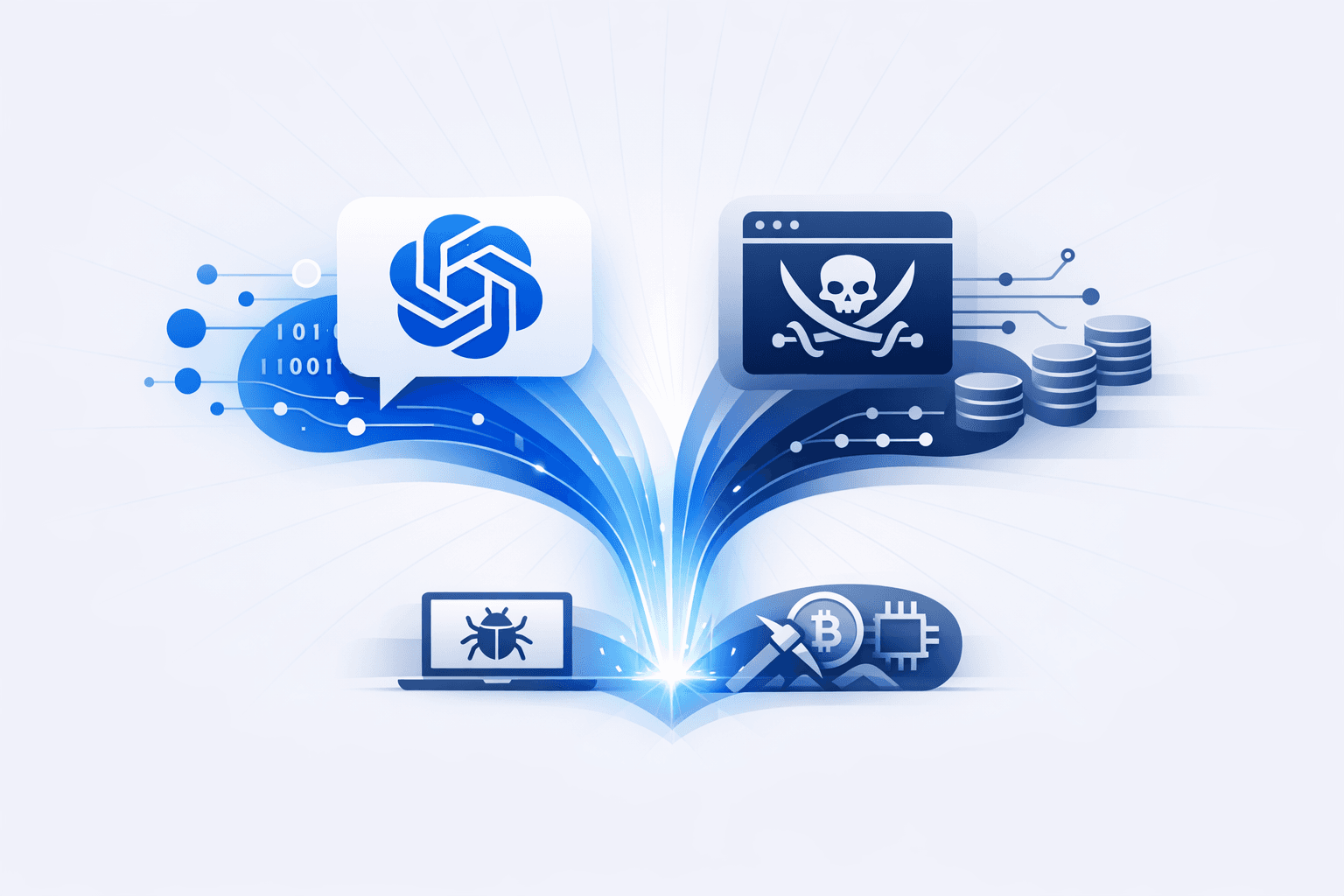
Researchers reported a malware campaign delivering a modified SilentCryptoMiner alongside a remote access trojan through illegal movie, TV, and digital library websites that pushed fake video player plugin updates. The infection chain used a ZIP archive containing a legitimate executable and a malicious DLL for DLL side-loading, then triggered stack-overflow-based ROP decryption and reflective loading to deploy the main module, a watchdog component, the RAT, and CPU/GPU miners.

The activity appears to extend operations seen since at least 2022, with refreshed infrastructure and delivery sites but largely unchanged archive structure and execution logic. The malware used DNS tunneling and date-based domain generation for execution gating and command-and-control, disabled security and power-saving features when it gained elevated privileges, and established persistence through a fake GoogleUpdateTaskMachineQC service; researchers said the campaign had substantial exposure because the affected piracy-related sites drew roughly 40 million visits in April 2026.

Why it matters

Impact assessment

This campaign primarily affects Windows users who access piracy-themed movie, TV, and digital library sites and can also impact enterprise environments when employees use those sites from corporate endpoints. The impact is high because infections combine unauthorized CPU/GPU cryptomining with a remote access trojan, creating both operational degradation and full post-compromise risk.

Exposure appears broad rather than narrowly targeted. Researchers tied the activity to sites that collectively received about 40 million visits in April 2026, and incident response cases confirmed real-world infections on user workstations.

Supporting facts

  • Affected populations: users of illegal streaming sites, pirated content hubs, and compromised digital book libraries.
  • Affected environments: Windows workstations, including enterprise user endpoints.
  • Business impact:
    • CPU/GPU cryptomining can cause endpoint slowdown, overheating, increased power consumption, and reduced user productivity.
    • RAT capability enables arbitrary command execution and shellcode deployment, increasing risk of follow-on malware, credential theft, and lateral movement.
    • Security control tampering and persistence increase remediation cost and dwell time.
  • Scope:
    • Campaign activity likely ongoing since at least 2022.
    • Delivery infrastructure and lure sites were refreshed, but execution logic remained stable.
    • Piracy-related sites linked to the campaign drew roughly 40 million visits in April 2026.
  • Known incidents in the wild:
    • Kaspersky reported incident response findings in late April 2026.
    • Gurucul documented client environments with unauthorized miners installed on user workstations.
  • Severity indicators:
    • Gurucul classified related incidents as High and Critical severity in separate notices.
Hunt this familyPull IOCs and campaign context straight into your stack.
Get the IOCs
Event timeline

How this story unfolded

Events from the most recent confirmed update back to the earliest known activity.

5 events · May 13, 2021 – Jun 2, 2026
  1. Jun 2, 20266mo ago

    Kaspersky details SilentCryptoMiner variant's evasion and DNS exfiltration

    In late April 2026, Kaspersky reported that the malware delivered via fake plugin updates was a modified SilentCryptoMiner fork that used junk code, a stack overflow, and a ROP chain to decrypt and reflectively load its payload in memory. The analysis also said it collected hardware identifiers and exfiltrated them through DNS tunneling, and when run as administrator it disabled security controls, deleted Microsoft's Malicious Software Removal Tool, and altered power settings to support mining.

    SilentCryptoMiner Variant Spread via Fake Plugin Update
  2. May 29, 20266mo ago

    Gurucul publishes IOCs and detection queries for piracy-site malware

    On 2026-05-29, Gurucul published a high-severity notice on the piracy-site malware activity, including domains, an IP address, and MD5 hashes as indicators of compromise. The notice also provided threat detection and incident-response queries to help identify related domain, IP, and file-hash activity.

    Pirates in the Crosshairs: How One Cybercrime Gang Has Been Infecting Book, Movie, and TV Show Fans for Years | Community Portal | Gurucul
  3. May 13, 20216y ago

    Researchers investigated late-April 2026 cryptominer infections

    In late April 2026, researchers investigated infections delivered through illegal movie, TV, and digital library websites via fake video player plugin updates. The malware was distributed as a ZIP archive containing a legitimate executable and a malicious DLL used for DLL side-loading to deploy a miner, watchdog, and RAT components.

    A miner with a side of RAT: the unintended gift with your TV show or book | Securelist
  4. May 13, 20216y ago

    Piracy sites drew about 40 million visits in April 2026

    The infected illegal movie, TV, and digital library websites collectively received about 40 million visits in April 2026, indicating the campaign's potentially large reach.

    A miner with a side of RAT: the unintended gift with your TV show or book | Securelist
  5. May 13, 20216y ago

    Campaign activity dates back to at least 2022

    Researchers assessed the piracy-site malware campaign as a continuation of activity that has been ongoing since at least 2022, with largely unchanged archive structure and infection logic despite updated infrastructure and delivery sites.

    A miner with a side of RAT: the unintended gift with your TV show or book | Securelist
Linked entities

Related entities

Vulnerabilities, threat actors, malware, products, organizations, breaches, and observables Mallory has linked to this story. Indicator values are masked here and available in full in the app.

Open in app →

Malware

1 linked

Observables

25 linked

Indicator values are masked on this page. View all 25 in Mallory Domains, IPs, hashes, and URLs are exportable to your SIEM.

Do you run this?Pull the IOCs, campaigns, and victimology behind this family, ready to push into your SIEM and EDR.
Hunt This Malware
Mallory platform

See the full picture, correlated to your attack surface.

This page covers what’s public. Mallory adds the parts that aren’t: which of your assets are affected, which threat actors are using it right now, and what to deploy next.

Exposure mappingMap indicators from this story to your assets and identify affected systems in minutes.
Threat actor evidenceEvery observed campaign, victim, and pivot linked to actors named in this story.
Associated malwareMalware, exploits, and IOCs connected to the activity described here.
Detection signaturesYARA, Sigma, and Snort rules deployed to your SIEM as soon as they’re published.
Scheduled alertsGet matching new stories delivered to your team as they break, not the next morning.
AI threadsAsk questions about this story and take action on the answers.