Cryptojacking Campaign Uses AI Chatbot Recommendations and SEO Poisoning
Social Engineering & Fraud · 5 sources · Updated 5mo ago · First seen May 27, 2026

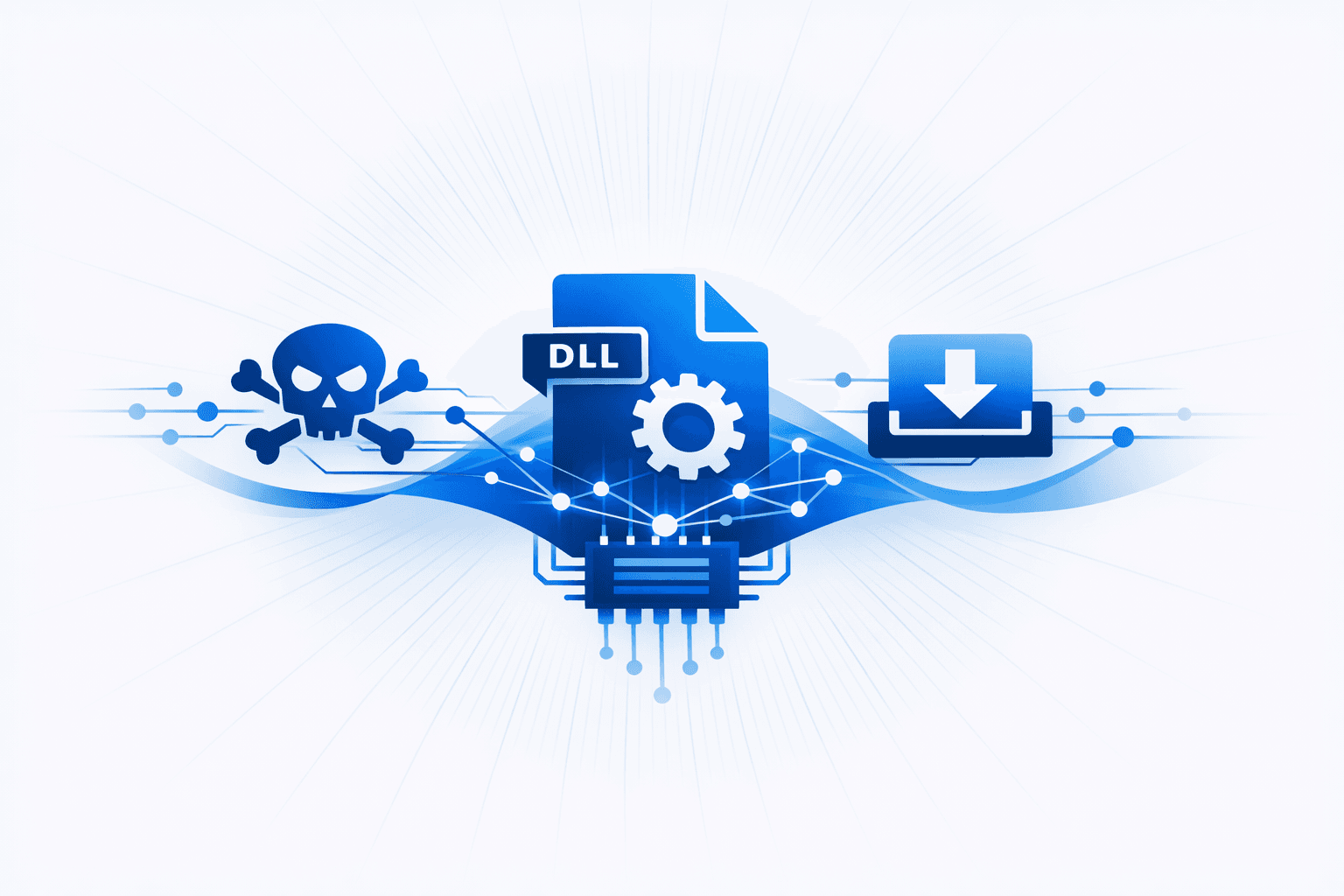
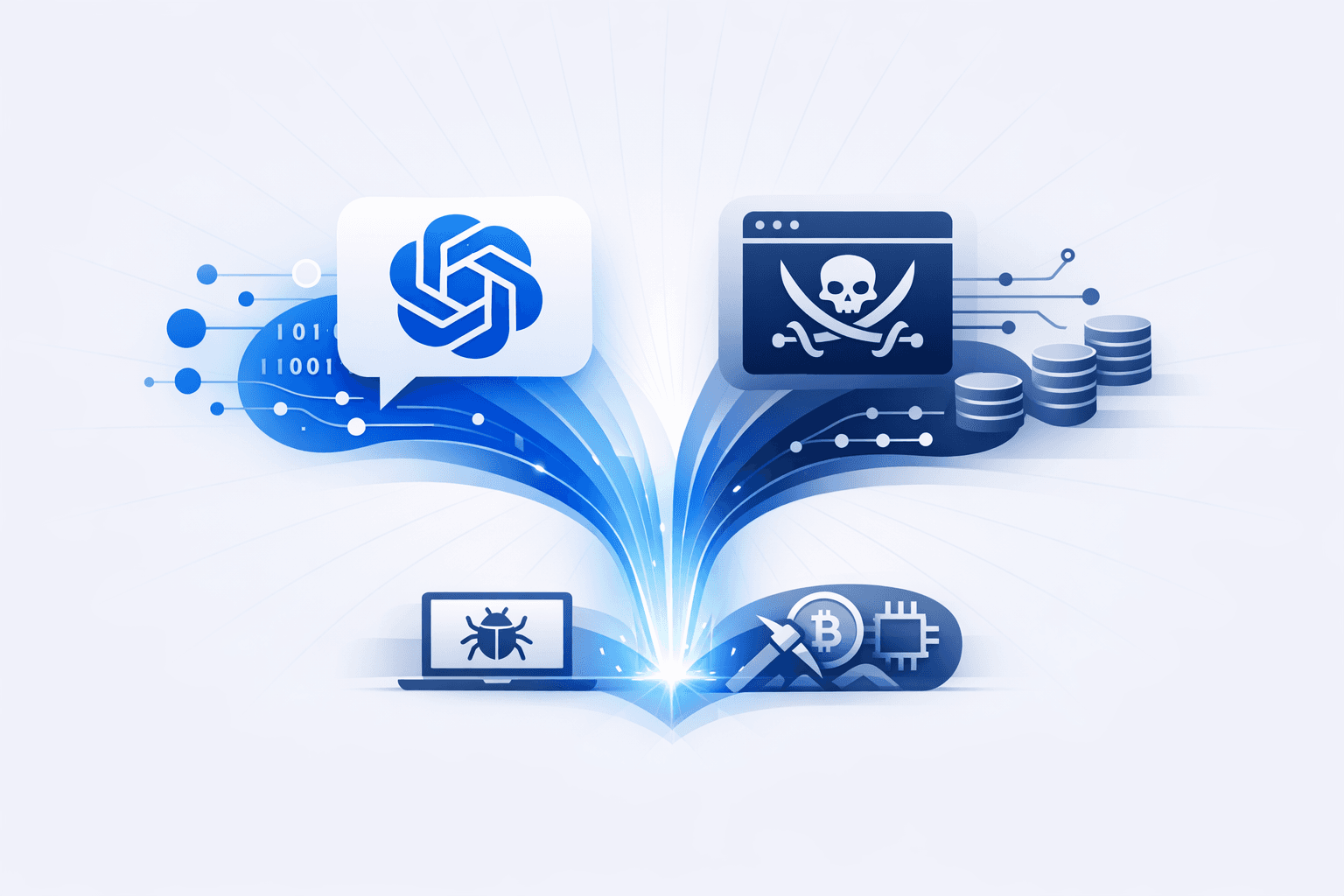
Microsoft reported an active cryptojacking campaign that uses poisoned search results and, in some cases, AI chatbot software recommendations to steer users to attacker-controlled sites impersonating popular utilities including CrystalDiskInfo, HWMonitor, Display Driver Uninstaller, FurMark, K-Lite Codec Pack, and PDFgear. The operation appears to target hardware enthusiasts and other users with high-performance GPUs, delivering ZIP archives that bundle legitimate applications with malicious autorun.dll files for DLL sideloading. Microsoft said it has identified more than 150 malicious domains tied to the campaign since March 2026.
After execution, the malware abuses ScreenConnect for persistent remote access, uses a custom loader with process hollowing into Microsoft-signed .NET binaries, adds Microsoft Defender exclusions, and performs anti-analysis and host reconnaissance before downloading miners such as gminer, lolMiner, and SRBMiner-MULTI. The malware can pause mining during user or GPU activity to reduce detection, and Microsoft warned that the ScreenConnect foothold could also support follow-on actions including data theft, lateral movement, or ransomware. Microsoft said Defender detected and blocked related activity and highlighted mitigations including cloud-delivered protection, EDR in block mode, network and web protection, SmartScreen, and attack surface reduction rules.
Why it matters
Impact assessment
This campaign primarily affects Windows users seeking popular PC utilities, with the highest risk concentrated in gamers, hardware enthusiasts, AI users, overclockers, and other populations likely to own high-performance discrete GPUs. The immediate impact is unauthorized cryptocurrency mining and degraded system performance, but the more serious risk is the persistent ScreenConnect foothold, which can enable data theft, lateral movement, and ransomware.
The exposure is active and broad enough to warrant concern, with Microsoft linking more than 150 malicious domains to the operation since March 2026, but the targeting logic is selective toward higher-value GPU systems rather than indiscriminate mass infection. Microsoft reported active malicious activity in the wild and stated Defender detected and blocked related behavior.
Affected entities and products
- Windows endpoints downloading spoofed utilities from attacker-controlled sites
- Users of impersonated software brands:
- CrystalDiskInfo
- HWMonitor
- Display Driver Uninstaller (DDU)
- FurMark
- K-Lite Codec Pack
- PDFgear
- Organizations with developer, engineering, gaming, research, or AI workstation fleets containing powerful GPUs
- Environments where ScreenConnect/ConnectWise Control usage may blend into normal administration activity
Severity and business risk
- Resource theft through GPU cryptomining
- Performance degradation and possible overheating/power consumption increases on high-end systems
- Persistence via legitimate remote management tooling increases dwell time risk
- Follow-on risk includes credential theft, data theft, lateral movement, and ransomware deployment
- Reputational and operational impact is higher if compromised enthusiast or engineering workstations have privileged access or sensitive data
Scope and exploitation status
- Active campaign observed since at least March 2026
- More than 150 malicious domains identified
- Delivery through both SEO poisoning and AI chatbot software recommendations expands victim acquisition paths
- Microsoft confirmed in-the-wild activity and published mitigation guidance