North Korean Fake IT Worker Network Infiltrates Western Firms and Funds Pyongyang
Regulatory & Policy · 43 sources · Updated 3mo ago · First seen Mar 18, 2026

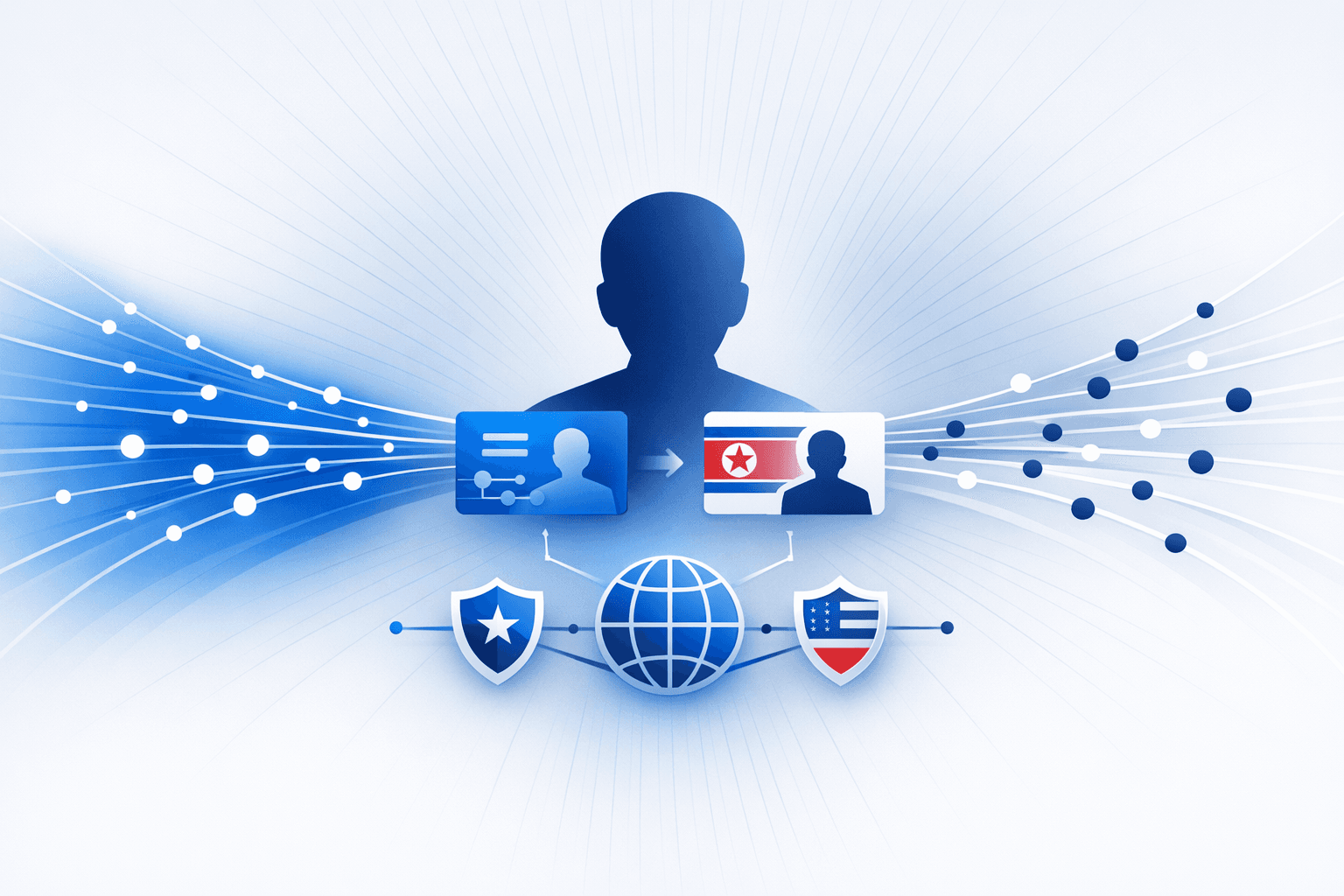
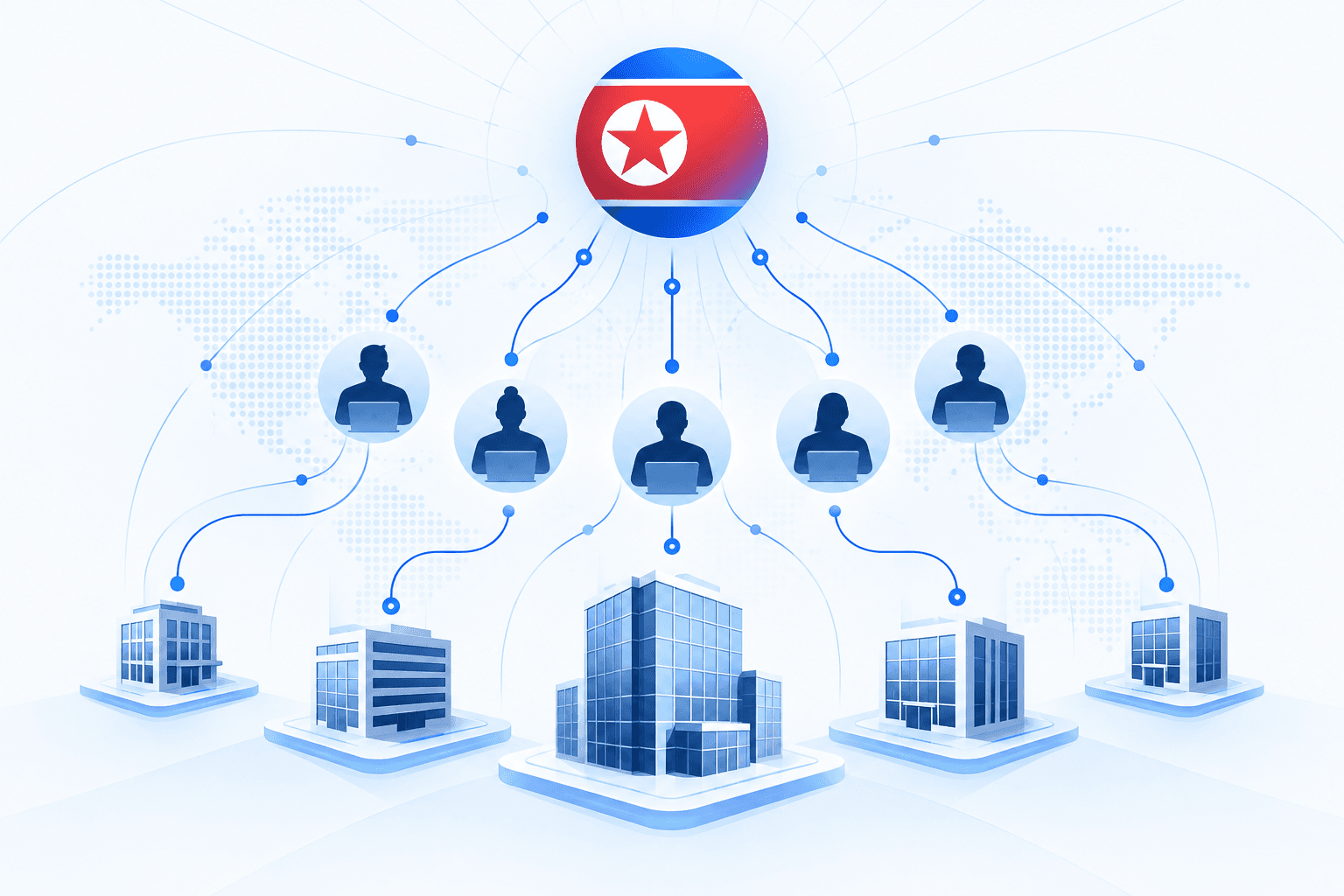
U.S. authorities and multiple security firms detailed a large North Korean scheme in which operatives use stolen or fabricated identities to win remote IT jobs at Western companies, then send the earnings back to Pyongyang in violation of sanctions. Research from IBM X-Force, Flare, Microsoft, LevelBlue, and others described a mature ecosystem of recruiters, facilitators, brokers, laptop-farm operators, and Western collaborators that helps workers pass interviews, receive corporate devices, mask their locations with VPNs, and clear payroll and compliance checks. Estimates cited across the reporting say more than 100,000 workers operating across dozens of countries may be generating roughly $500 million annually, while some cases also involved data theft, source-code exfiltration, extortion, and malware activity after hiring.
The U.S. Treasury's Office of Foreign Assets Control sanctioned six individuals and two entities tied to the operation, while U.S. courts sentenced three Americans, including a former Army soldier, for helping North Korean workers use false identities and laptop farms to obtain jobs at U.S. companies. Investigations also exposed operational tradecraft including use of Astrill VPN, NetKey/OConnect, IP Messenger, freelance platforms, AI-generated resumes and headshots, and U.S.-based hardware relays such as PiKVM-enabled laptop farms; one hired worker was removed within 10 days after suspicious logins from China and Missouri triggered detection. Researchers and federal advisories warned that remote hiring has become an insider-threat and sanctions-compliance risk, urging tighter identity verification, live skills testing, device and geolocation controls, least-privilege access, and joint oversight by HR, recruiters, and security teams.
Why it matters
Impact assessment
North Korean state-linked fake IT worker operations are affecting Western employers that hire remote technical staff, with the highest exposure in technology, consulting, healthcare, finance, defense-adjacent organizations, cryptocurrency firms, and any company using third-party staffing or freelance platforms. The impact is high because successful hires create both sanctions/compliance exposure and insider-risk exposure, including payroll diversion, unauthorized access to enterprise systems, source-code theft, data exfiltration, extortion, and reputational damage.
The scope is broad rather than narrowly targeted. Reporting across Nisos, IBM X-Force, Flare, CrowdStrike, LevelBlue, FBI, and Treasury describes industrial-scale activity spanning the U.S., Europe, and Asia, with estimates of more than 100,000 workers across 40 countries generating roughly $500 million annually. Exploitation in the wild is established: authorities sanctioned six individuals and two entities, U.S. courts sentenced three Americans for facilitating the scheme, and multiple reports describe real hires, laptop farms, and post-hire malicious activity.
Affected populations and sectors
- Remote-first and hybrid employers hiring software developers, engineers, architects, Salesforce staff, blockchain developers, WordPress developers, and full-stack roles
- U.S. companies were primary targets in the cited investigations
- Technology firms accounted for 42.6% of job offers in the Nisos-linked campaign
- Consulting firms accounted for 13.1% of job offers
- Healthcare organizations accounted for 8.2% of job offers
- Financial organizations accounted for 8.2% of job offers
- U.S. defense contractors, cryptocurrency exchanges, and financial institutions were also targeted in Flare reporting
- Companies relying on staffing vendors, freelance platforms, and remote onboarding face elevated exposure
Severity and business consequences
- Sanctions risk from employing DPRK nationals or facilitating revenue flows to Pyongyang
- Insider-risk exposure from granting legitimate access to email, Slack, Teams, Zoom, Jira, SharePoint, CRM, development platforms, and client systems
- Theft of proprietary information, source code, credentials, and session cookies has been reported by FBI and private-sector sources
- Extortion risk is established; workers have allegedly threatened to leak stolen data or code after discovery
- Financial loss includes salary diversion, fraud, incident response costs, legal exposure, and possible forfeiture or regulatory action
- Reputational damage is likely for firms found to have hired sanctioned or fraudulent workers into sensitive roles
Scope and known incidents
- Nisos linked 22 operatives to 166,893 to 170,000+ applications, 21,000+ interviews, and 76 job offers between December 2024 and September 2025
- One DPRK cell was assessed as responsible for more than 170,000 job applications
- CrowdStrike said Famous Chollima accounted for 47% of state-backed activity targeting the tech sector from April 2025 to May 2026
- LevelBlue documented a worker hired on 2025-08-15 and removed within 10 days after suspicious login activity from China and Missouri
- U.S. Treasury OFAC sanctioned six individuals and two entities in March 2026
- U.S. courts sentenced Alexander Paul Travis, Jason Salazar, and Audricus Phagnasay for facilitating false-identity hiring and laptop-farm activity
- FBI and IC3 advisories confirm ongoing malicious activity, including data theft and extortion