North Korea Recruits Overseas Talent to Infiltrate Companies Through IT-Worker Fraud
Breach & Incident Intelligence · 9 sources · Updated 2mo ago · First seen Sep 14, 2026
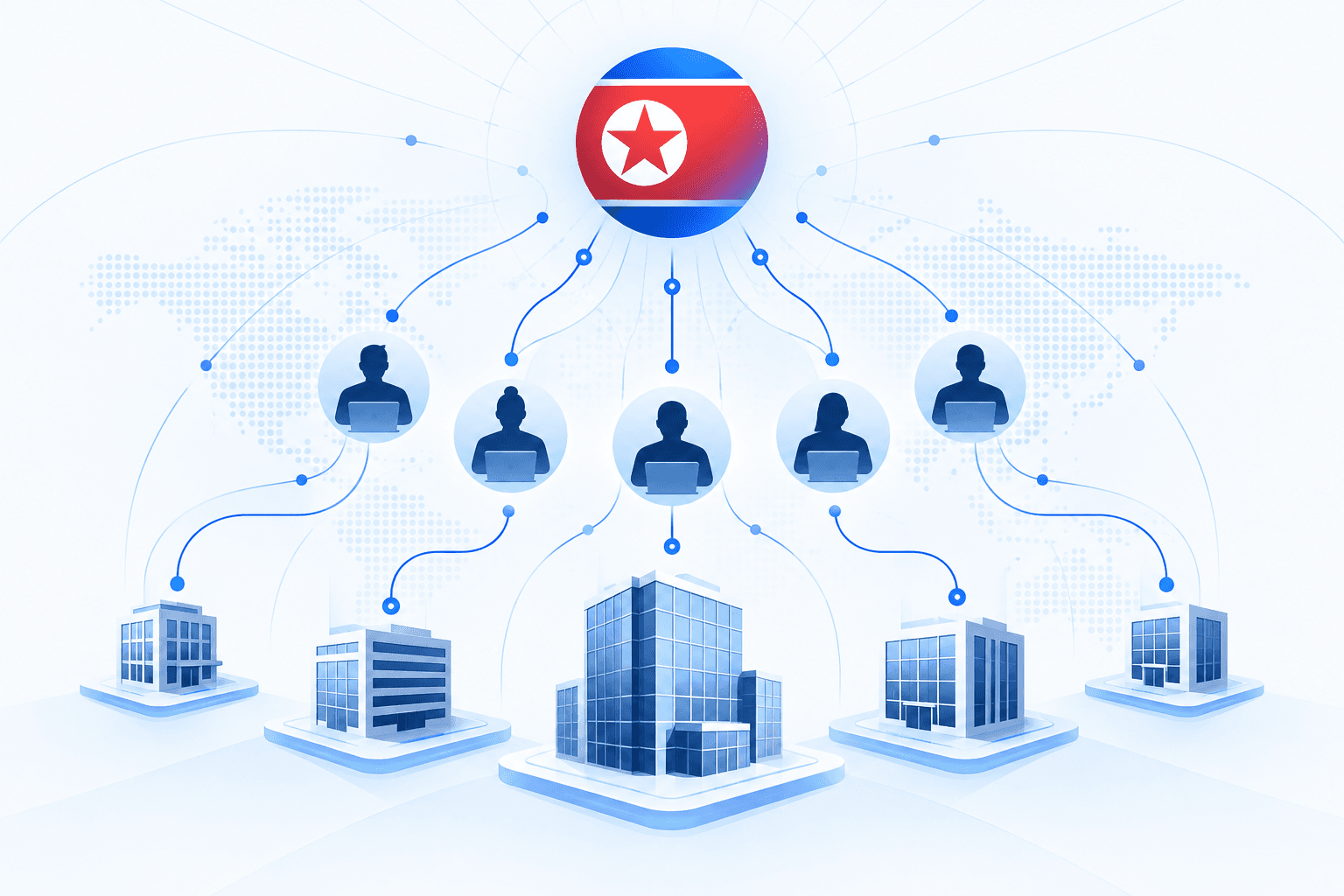
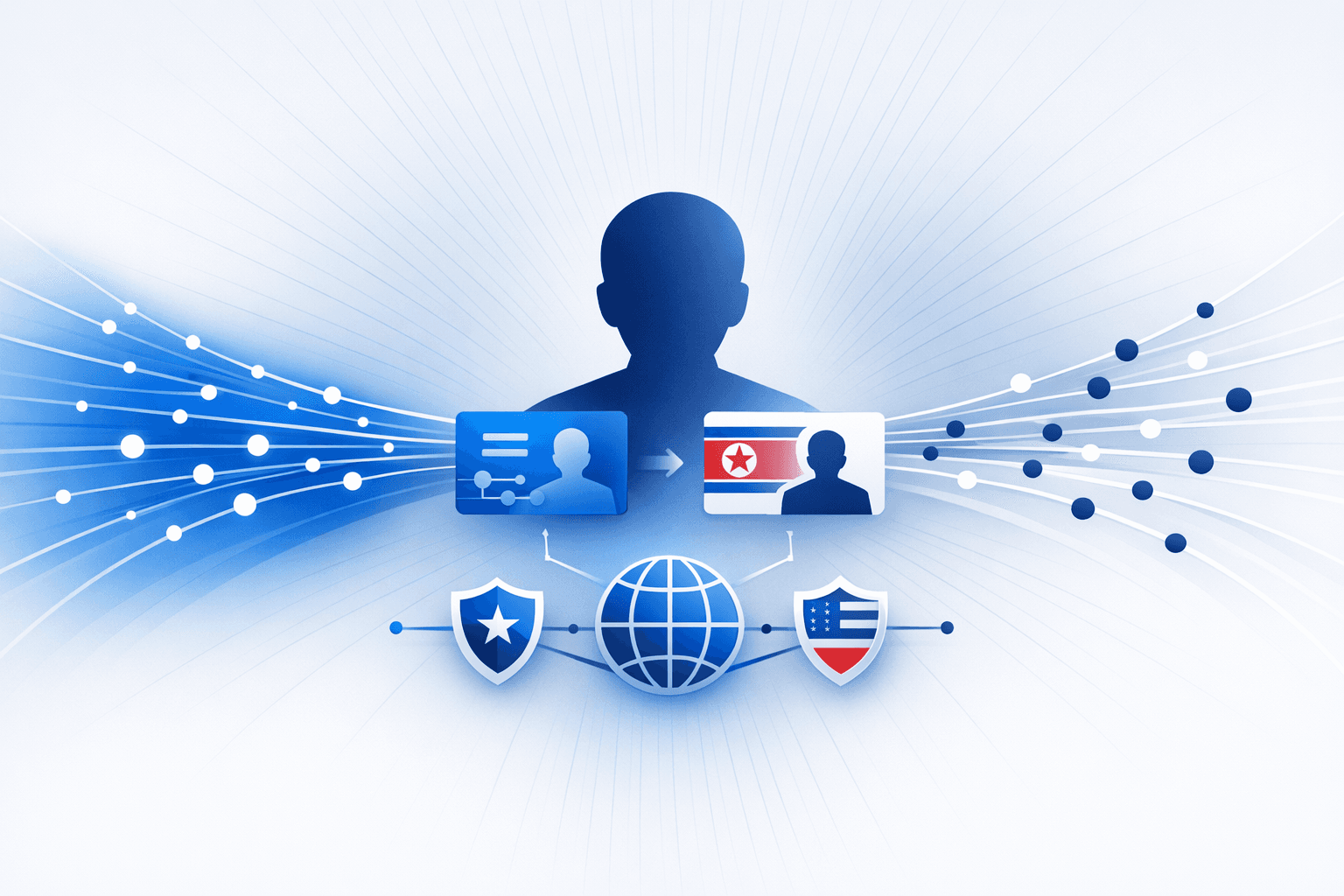
A multinational government alert warns that North Korean IT workers are fraudulently securing remote jobs at companies worldwide using stolen or fabricated identities, forged documents, interview proxies, VPNs, remote-desktop tools, and overseas laptop farms. The activity generates revenue for Pyongyang's prohibited nuclear-weapons and ballistic-missile programs, while potentially exposing employers to sanctions violations and insider threats including data theft, cryptocurrency theft, and exfiltration of sensitive information.
Reporting indicates North Korea is also recruiting talent abroad to expand infiltration of U.S. companies and facilitate associated money-laundering activity. Employers, staffing firms, and online work platforms should strengthen identity and right-to-work verification and investigate anomalies in interviews, account activity, device locations, payment methods, and requests to route company laptops through third parties; UN Security Council Resolution 2397 generally requires states to repatriate North Korean nationals earning income in their jurisdictions.
Why it matters
Impact assessment
North Korean IT-worker fraud creates a material insider-risk, sanctions-compliance, and financial-loss exposure for organizations that hire remote software, web, mobile, blockchain, and IT personnel. WaterPlum/Contagious Interview simultaneously targets job-seeking technical staff with malware-laden recruitment processes, expanding risk from fraudulent hiring to endpoint compromise, data theft, and cryptocurrency theft.
- Affected organizations: global employers, staffing firms, freelance and procurement platforms, and cryptocurrency, AI, NFT, software-development, and blockchain organizations.
- Affected users: software developers, IT professionals, job candidates, hiring managers, recruiters, HR, finance, and corporate endpoint administrators.
- Business impact: fraudulent workers can receive legitimate corporate credentials and access sensitive systems; reported associated outcomes include sensitive-data exfiltration, intellectual-property theft, cryptocurrency theft, and extortion.
- Compliance impact: payments to DPRK IT workers can violate domestic sanctions laws. UN Security Council Resolution 2397 generally requires member states to repatriate DPRK nationals earning income in their jurisdictions, subject to limited exceptions.
- Scope: widespread and global. WaterPlum reportedly compromised more than 30,000 devices across over 100 countries and moved nearly $11 million in cryptocurrency from more than 7,000 wallets. The MSMT estimates roughly 100,000 DPRK overseas workers remain active across at least 17 countries.
- Known activity: government agencies report active WaterPlum targeting of IT professionals in Japan, the United States, Europe, and elsewhere. Japanese authorities dismantled an associated laptop farm; the FBI continues to investigate and prosecute U.S.-based facilitators.
- Exposure window: a separate HYPR survey estimates fraudulent hires retain corporate-network access for an average of 5.73 days before detection; this is survey data, not an incident-specific metric.