ClickFix Social Engineering Drives Multiple Malware and Ransomware Intrusions
Attack Tradecraft · 3 sources · Updated 5mo ago · First seen Mar 17, 2026
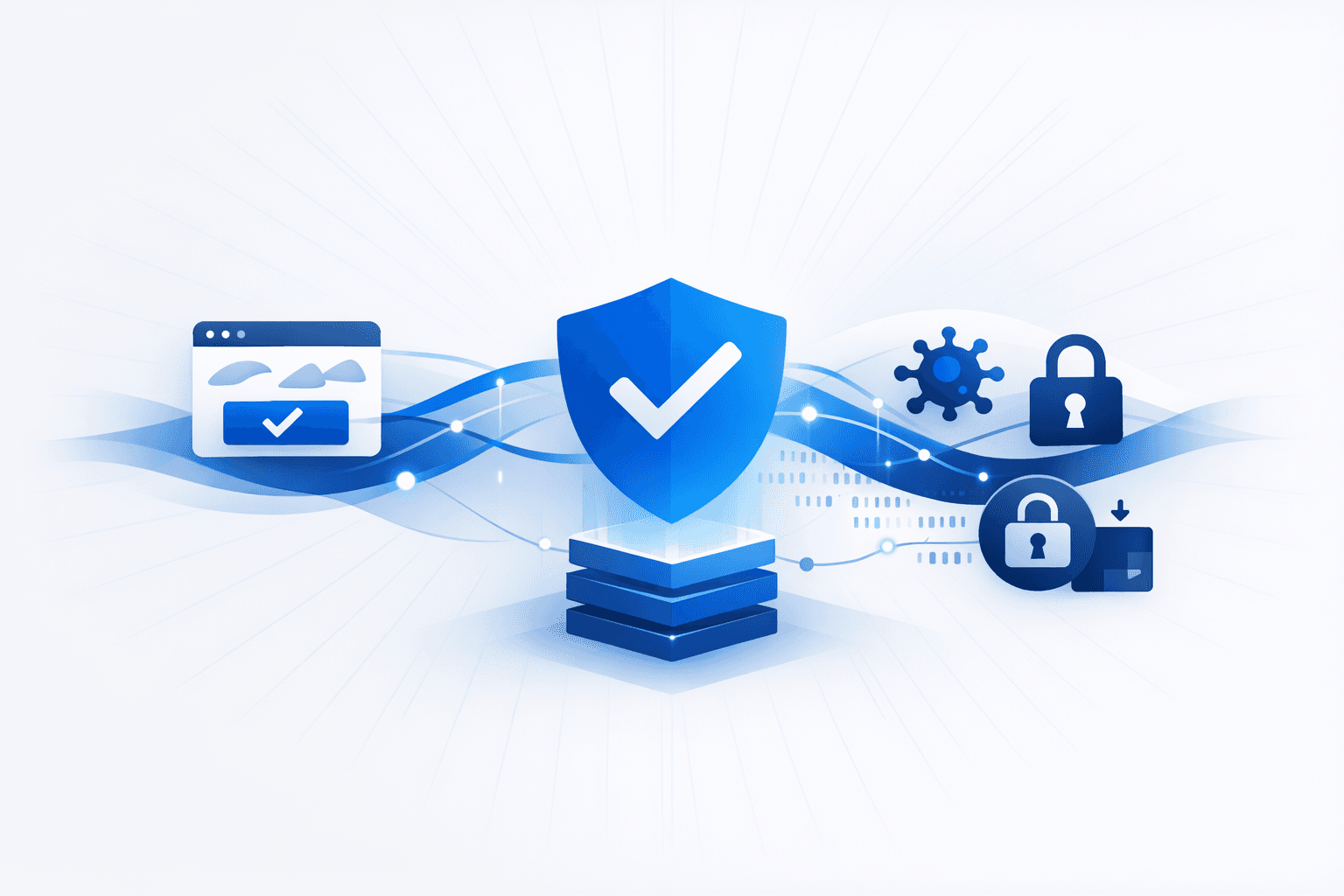
Attackers are increasingly using ClickFix fake CAPTCHA and verification lures on compromised websites to trick users into manually executing malicious commands, turning social engineering into a scalable initial-access method. LeakNet adopted the technique to reduce reliance on stolen credentials and initial access brokers, using hacked sites to deliver a staged Deno-based in-memory loader before following a repeatable post-exploitation sequence that can end in ransomware deployment. Separately, the ZPHP campaign used similar fake Cloudflare Turnstile-style prompts against U.S. SLTT organizations to deliver Remcos RAT, with hidden JavaScript on compromised sites selectively replacing page content with attacker-controlled instructions for Windows users.
The reporting indicates a broader shift in which ClickFix is no longer tied to a single actor or payload, but is being reused across financially motivated and malware-delivery operations because it is cheap, effective, and difficult for users to recognize as malicious. One additional roundup reference points to Termite ransomware and CastleRAT activity linked to ClickFix, reinforcing that the technique is spreading across campaigns, but it does not provide enough detail to treat that activity as the same incident as LeakNet or ZPHP. This is not fluff: the material contains concrete threat intelligence on active intrusion methods, victim targeting, malware delivery chains, and operational tradecraft relevant to enterprise defense.
Why it matters
Impact assessment
ClickFix has matured into a scalable initial-access technique that affects both broad enterprise populations and specifically targeted U.S. SLTT government organizations. The immediate impact includes malware installation, credential and network discovery, lateral movement, data exfiltration, and potential ransomware encryption, creating material risk of operational disruption, data loss, and follow-on extortion.
Summary
LeakNet used ClickFix via compromised legitimate websites to widen victim acquisition and reduce dependence on stolen credentials or initial access brokers. Separately, the ZPHP campaign used the same user-execution pattern to deliver Remcos RAT into U.S. SLTT environments, with CIS reporting multiple incidents and substantial blocking telemetry, indicating active exploitation in the wild.
Affected entities and populations
- Enterprises broadly exposed to users browsing compromised websites from Windows endpoints
- Industrial entities, with Dragos indicating LeakNet has targeted industrial organizations
- U.S. State, Local, Tribal, and Territorial government organizations in the ZPHP campaign
- Windows users specifically, as the lure logic selectively displayed malicious prompts to Windows visitors
- Organizations with users likely to trust CAPTCHA or Cloudflare-style verification prompts
Severity and business consequences
- Initial access can lead to full remote access, credential visibility, lateral movement, data theft, and ransomware deployment
- LeakNet activity included pre-encryption exfiltration to S3 buckets, increasing extortion and breach-notification risk
- Remcos deployment creates persistent remote control of endpoints and likely enables surveillance, credential theft, and secondary payload delivery
- SLTT organizations face elevated operational and public-service disruption risk if endpoints or downstream systems are compromised
Scope and exposure
- LeakNet reporting indicates broad, opportunistic targeting rather than a single vertical
- ZPHP activity is targeted by sector toward U.S. SLTT organizations
- CIS telemetry suggests meaningful scale: nearly 500,000 blocked DNS requests across 162 member organizations and 61 IDS alerts tied to ZPHP at the start of 2026
- The technique is spreading across multiple campaigns and payload families, including ransomware and RAT delivery
Known exploitation
- Yes, exploitation in the wild is documented
- ReliaQuest observed active LeakNet intrusions using ClickFix and a repeatable post-exploitation chain ending in ransomware
- CIS linked ZPHP ClickFix activity to multiple SLTT incidents in 2026 and additional similar alerts in February 2026