ClickFix Social Engineering Campaigns Expand Malware and Ransomware Delivery
Attack Tradecraft · 5 sources · Updated 5mo ago · First seen Mar 19, 2026
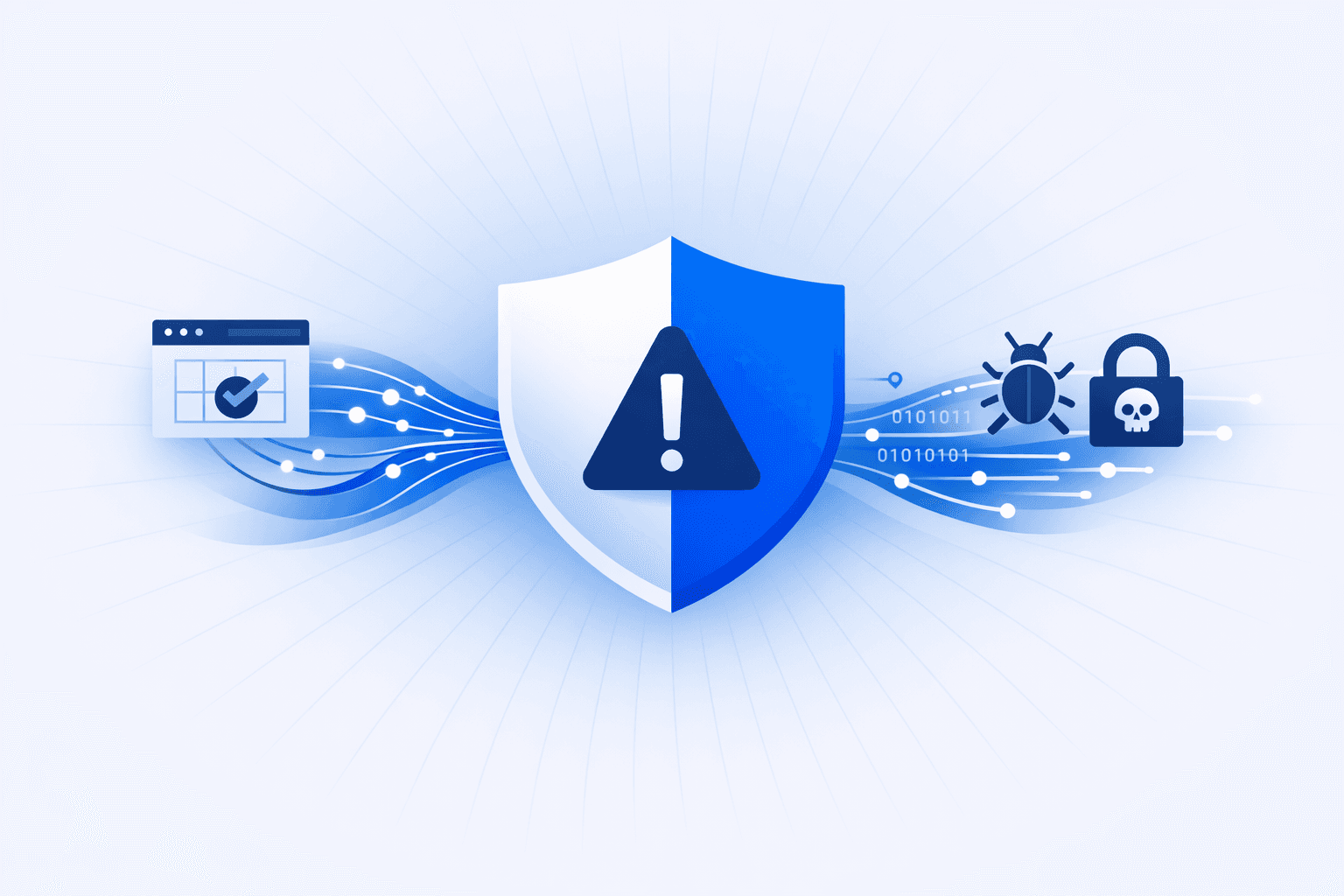
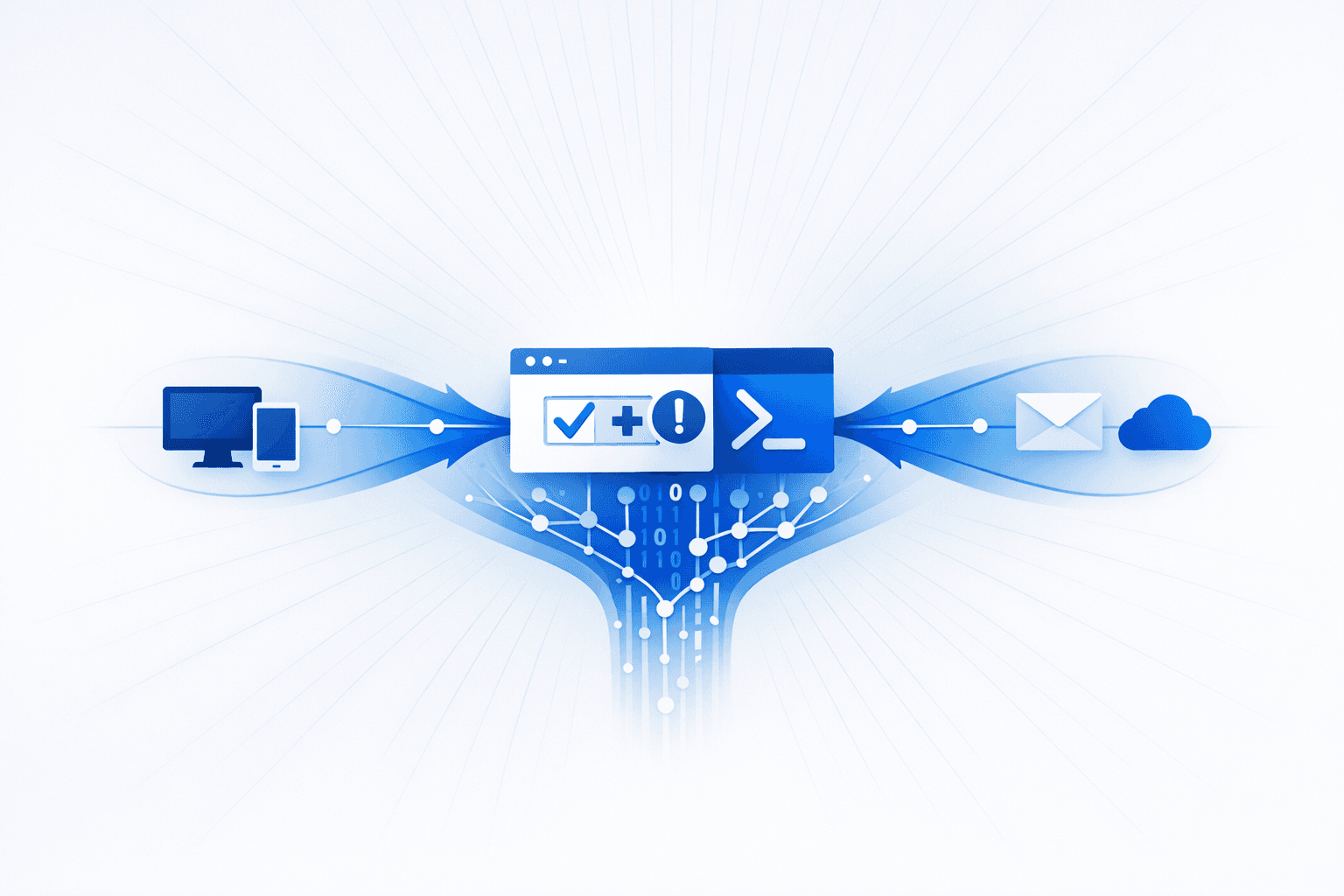
Researchers reported continued expansion of ClickFix as an initial-access technique, with attackers using fake CAPTCHA or verification pages to trick users into executing clipboard-delivered commands on Windows systems. In one campaign, LeakNet shifted away from relying on initial access brokers and instead used compromised legitimate websites hosting fake Cloudflare Turnstile checks to broaden victim acquisition and reduce network-based detection. ReliaQuest linked the activity to LeakNet through overlapping infrastructure and consistent TTPs, and noted the group paired ClickFix with a stealthy, memory-resident loader built on the Deno JavaScript runtime to support ransomware operations.
A separate ClickFix campaign analyzed by Atos used the same user-executed command pattern to map attacker-controlled network drives with net use, then download a trojanized but legitimately signed WorkFlowy application whose modified asar archive executed malicious code in the Node.js main process with the logged-in user’s privileges. Other reporting on Hive0163 also identified ClickFix as one of several initial-access methods used in Interlock ransomware intrusions, although that article focused primarily on the group’s likely AI-generated Slopoly malware rather than a specific ClickFix incident. Reporting on Operation Covert Access in Argentina’s judicial sector was unrelated, describing spear-phishing with fake court documents to deliver COVERT RAT via a different intrusion chain.
Why it matters
Impact assessment
ClickFix has matured into a scalable initial-access method for both broad malware delivery and ransomware operations, with current reporting tying it directly to LeakNet and separately to Hive0163/Interlock activity. The most exposed population is Windows users who can be socially engineered into pasting and executing clipboard-delivered commands, especially in enterprises where users have local execution capability and access to internal resources.
Operational impact can be severe because observed follow-on activity includes in-memory loaders, credential enumeration, lateral movement with PsExec, cloud-based staging and exfiltration, and ransomware deployment. Scope is mixed: LeakNet’s web-based ClickFix activity is described as opportunistic and broad, while ransomware outcomes remain high-impact for individual victims; exploitation in the wild is confirmed across multiple incidents and campaigns.
Affected entities
- Windows enterprise users exposed to fake CAPTCHA, verification, or Cloudflare Turnstile prompts
- Organizations with users permitted to run Win+R, msiexec, PowerShell, VBS, Node.js, Deno, or PsExec without strong controls
- Environments where legitimate websites can be reached but host compromised ClickFix lures
- Sectors at risk from ransomware operators including general enterprise targets; one separate report tied ClickFix to Hive0163/Interlock intrusions
Severity and business risk
- Initial access can lead to ransomware deployment, data theft, and lateral movement
- Memory-resident execution and use of legitimate runtimes reduce forensic visibility and increase dwell time risk
- Trusted cloud services such as AWS S3 can mask staging and exfiltration traffic
- Signed software abuse in the WorkFlowy campaign increases evasion and user trust
Scope and exploitation status
- LeakNet’s ClickFix campaign is reported as opportunistic rather than narrowly targeted
- ClickFix was reported as facilitating delivery of 59% of top malware families tracked in 2025
- Multiple in-the-wild campaigns are described: LeakNet ClickFix, a WorkFlowy/Node.js ClickFix campaign, and Hive0163 intrusions using ClickFix among other access methods
- Attribution to LeakNet was assessed with high confidence by ReliaQuest based on overlapping infrastructure and consistent TTPs