Mallory
← Back to News
initial-access-methodloader-delivery-mechanismcredential-stealer-activityphishing-campaign-intelligence

ClickFix Social Engineering Drives Multi-Platform Malware Delivery

Attack Tradecraft · 4 sources · Updated 5mo ago · First seen Feb 18, 2026

ClickFix Social Engineering Drives Multi-Platform Malware Delivery

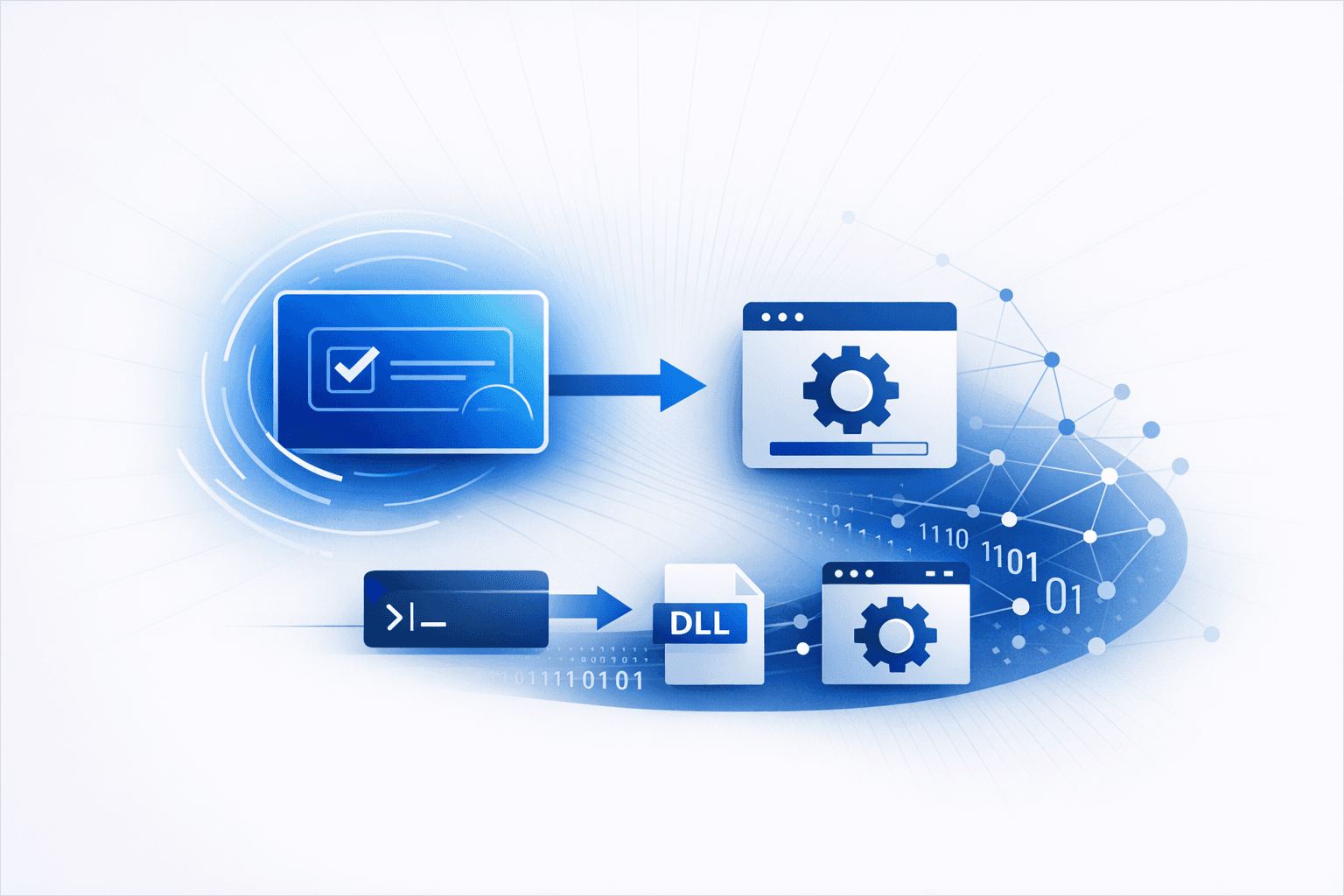
Security researchers reported multiple active campaigns using ClickFix social engineering—fake error dialogs or verification prompts that trick users into manually running attacker-supplied commands—to bypass browser and download protections and establish an initial foothold. In one enterprise case investigated by CERT Polska (cert.pl), victims were lured via compromised websites showing a fake CAPTCHA/“fix” prompt that instructed them to paste and run a PowerShell command via Win+R; the script then downloaded a dropper and enabled rapid follow-on activity that can scale to enterprise-wide compromise, including deployment of secondary malware such as Latrodectus and Supper for data theft, lateral movement, and potential ransomware staging.

A separate ClickFix operation targeted macOS developers by cloning the Homebrew site on typosquatted infrastructure; the “install” command was subtly altered to fetch content from raw.homabrews.org instead of raw.githubusercontent.com, leading to Cuckoo Stealer deployment and credential harvesting via repeated password prompts using macOS Directory Services, with related domains tied to shared hosting at 5.255.123.244. ClickFix was also observed as the initial execution mechanism for the resurfaced Matanbuchus 3.0 MaaS loader, which uses deceptive copy/paste prompts and silent MSI execution (via msiexec) to deliver a new payload, AstarionRAT, enabling capabilities including credential theft and SOCKS5 proxying; operators were reported to move laterally quickly (including toward domain controllers), consistent with ransomware or data-exfiltration objectives.

Why it matters

Impact assessment

ClickFix is a high-impact initial access technique affecting Windows enterprise users and macOS developers by coercing users to execute attacker-supplied commands in trusted interfaces. The impact ranges from credential theft and session hijacking to rapid lateral movement, enterprise-wide compromise, and potential ransomware staging.

Severity and scope

This is not a software-vulnerability story; it is an active social-engineering delivery pattern observed across multiple campaigns and malware families. Scope is broad because the technique is reusable across browsers, websites, operating systems, and payloads, and researchers reported active use in the wild including enterprise intrusions.

Who is affected

  • Windows enterprise environments where users can launch Run (Win+R) and execute PowerShell or msiexec
  • macOS developers and technical users likely to trust Terminal-based install workflows such as Homebrew
  • Organizations exposed to compromised websites, fake CAPTCHA pages, browser-error lures, and typosquatted software sites
  • Enterprises with weak controls on script execution, application allowlisting, and outbound web filtering

Known in-the-wild activity

  • ReliaQuest reported ClickFix as the leading malware delivery method in attacks analyzed during March 2026
  • CERT Polska investigated an enterprise case involving a large Polish organization compromised through fake CAPTCHA/verification prompts
  • Huntress linked ClickFix to Matanbuchus 3.0 delivery and rapid post-compromise movement toward domain controllers
  • Hunt.io identified a macOS developer campaign using fake Homebrew pages to deliver Cuckoo Stealer

Business impact

  • Credential theft affecting browsers, cookies, crypto wallets, Keychain, and enterprise access
  • Operational disruption from lateral movement and possible ransomware deployment
  • Financial and reputational damage from data theft, business interruption, and incident response costs
  • Elevated risk of domain-wide compromise when operators pivot quickly after initial execution
Who uses this technique?Get the actors, campaigns, and ATT&CK mapping behind it.
Get the tradecraft
Event timeline

How this story unfolded

Events from the most recent confirmed update back to the earliest known activity.

8 events · Jul 1, 2025 – Mar 1, 2026
  1. Mar 1, 20269mo ago

    ReliaQuest reports ClickFix led malware delivery in March 2026

    ReliaQuest said ClickFix was the leading malware delivery technique observed in cyberattacks it analyzed during March 2026. The firm reported the social-engineering method commonly delivered NetSupport RAT and Deepload, and was also used against macOS users to deliver Atomic Stealer (AMOS).

    ClickFix Social Engineering Technique is the Leading Method for Malware Delivery
  2. Feb 18, 20269mo ago

    Enterprise ClickFix attack escalates to Latrodectus and Supper payloads

    Following initial access in the Polish organization case, attackers deployed secondary payloads including Latrodectus and Supper to support data exfiltration, lateral movement, and possible ransomware activity. The chain used DLL side-loading with igfxSDK.exe and a malicious wtsapi32.dll, along with anti-analysis techniques.

  3. Feb 18, 20269mo ago

    CERT Polska observes enterprise ClickFix intrusion in Polish organization

    CERT Polska identified suspicious traffic from a compromised host at a large Polish organization and traced it to a ClickFix lure that caused a user to run malicious PowerShell from the Windows Run dialog. The resulting infection chain downloaded a dropper and rapidly established a foothold.

  4. Feb 18, 20269mo ago

    ClickFix campaign targets macOS developers with Cuckoo Stealer

    Attackers used typosquatted Homebrew-themed sites to trick macOS developers into pasting a malicious Terminal command, leading to Cuckoo Stealer infection. The malware validated stolen passwords, established LaunchAgent persistence, and stole data from browsers, Keychain, wallets, and messaging apps.

  5. Feb 18, 20269mo ago

    ClickFix campaign deploys AstarionRAT via silent MSI chain

    The revived Matanbuchus 3.0 campaign used ClickFix social engineering to trick users into running malicious commands, then leveraged msiexec, DLL side-loading, and in-memory execution to deliver AstarionRAT. Huntress reported operators could move laterally in about 40 minutes and target domain controllers.

  6. Feb 1, 202610mo ago

    Matanbuchus 3.0 resurfaces after nearly a year inactive

    Matanbuchus, a malware-as-a-service loader, reappeared in February 2026 with a rewritten v3.0 release and subscription pricing reportedly reaching $15,000 per month. The new activity marked the loader's return after roughly a year of inactivity.

  7. Jan 13, 202611mo ago

    Attackers register homabrews.org for fake Homebrew campaign

    A key typosquatted domain, homabrews.org, was registered and later used to mimic the official Homebrew workflow in a ClickFix campaign targeting macOS developers. The fake install flow swapped the expected download host to attacker-controlled infrastructure.

  8. Jul 1, 20251y ago

    Certificates for ClickFix macOS typosquat infrastructure appear

    Infrastructure later linked to the macOS ClickFix campaign used certificates dating back to July 2025, indicating attacker preparation and staging months before public reporting. Analysts tied multiple related typosquat domains to shared infrastructure at 5.255.123.244.

Linked entities

Related entities

Vulnerabilities, threat actors, malware, products, organizations, and breaches Mallory has linked to this story.

Open in app →

Affected products

1 linked
Macos
Do you run this?Get the adversaries, campaigns, and ATT&CK mapping behind this technique, with detections ready to deploy.
See Who Uses This Technique
Mallory platform

See the full picture, correlated to your attack surface.

This page covers what’s public. Mallory adds the parts that aren’t: which of your assets are affected, which threat actors are using it right now, and what to deploy next.

Exposure mappingMap indicators from this story to your assets and identify affected systems in minutes.
Threat actor evidenceEvery observed campaign, victim, and pivot linked to actors named in this story.
Associated malwareMalware, exploits, and IOCs connected to the activity described here.
Detection signaturesYARA, Sigma, and Snort rules deployed to your SIEM as soon as they’re published.
Scheduled alertsGet matching new stories delivered to your team as they break, not the next morning.
AI threadsAsk questions about this story and take action on the answers.