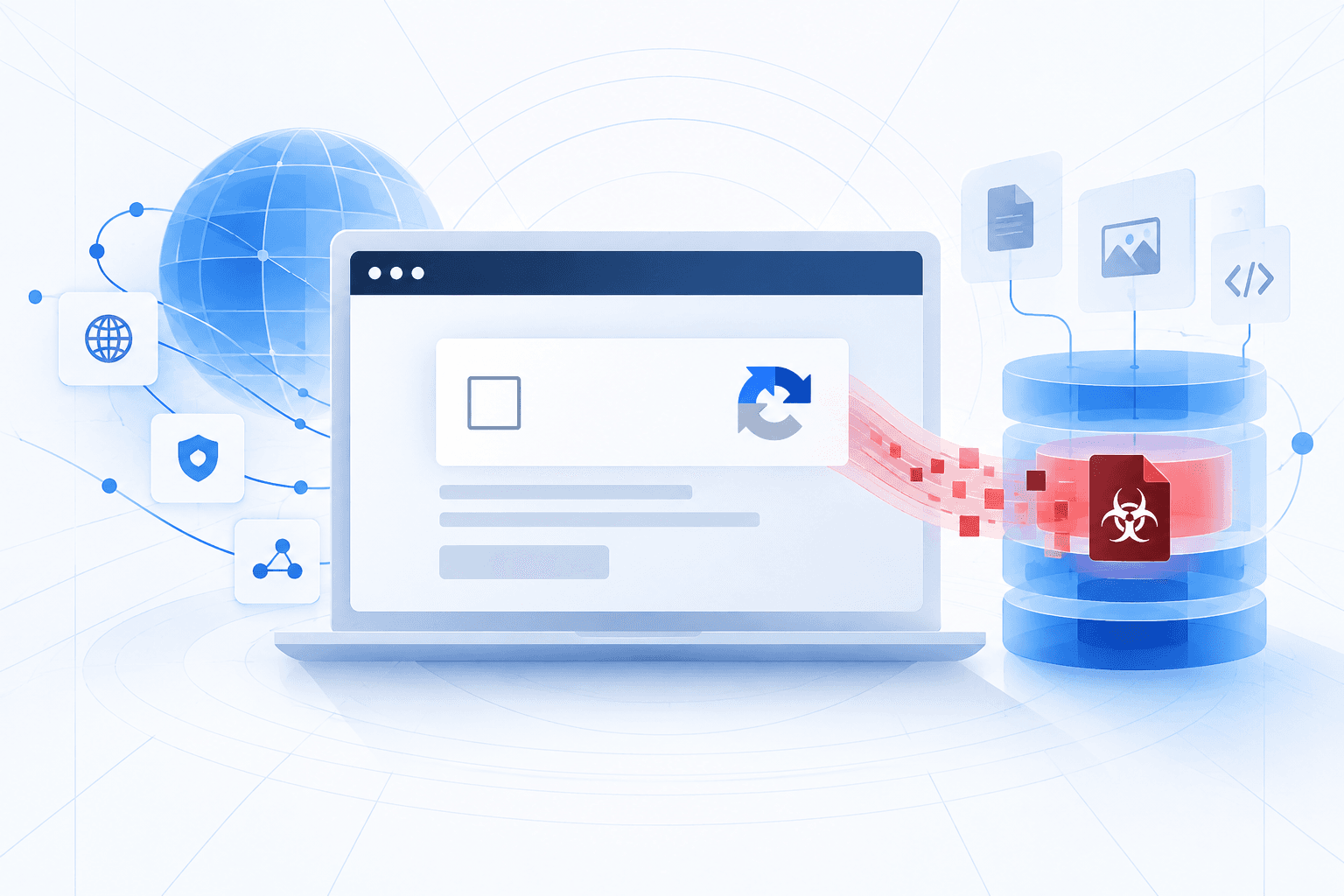
ClickFix Social-Engineering Campaigns Using Fake CAPTCHA and Fake Installer Pages
Attack Tradecraft · 2 sources · Updated 5mo ago · First seen Feb 17, 2026
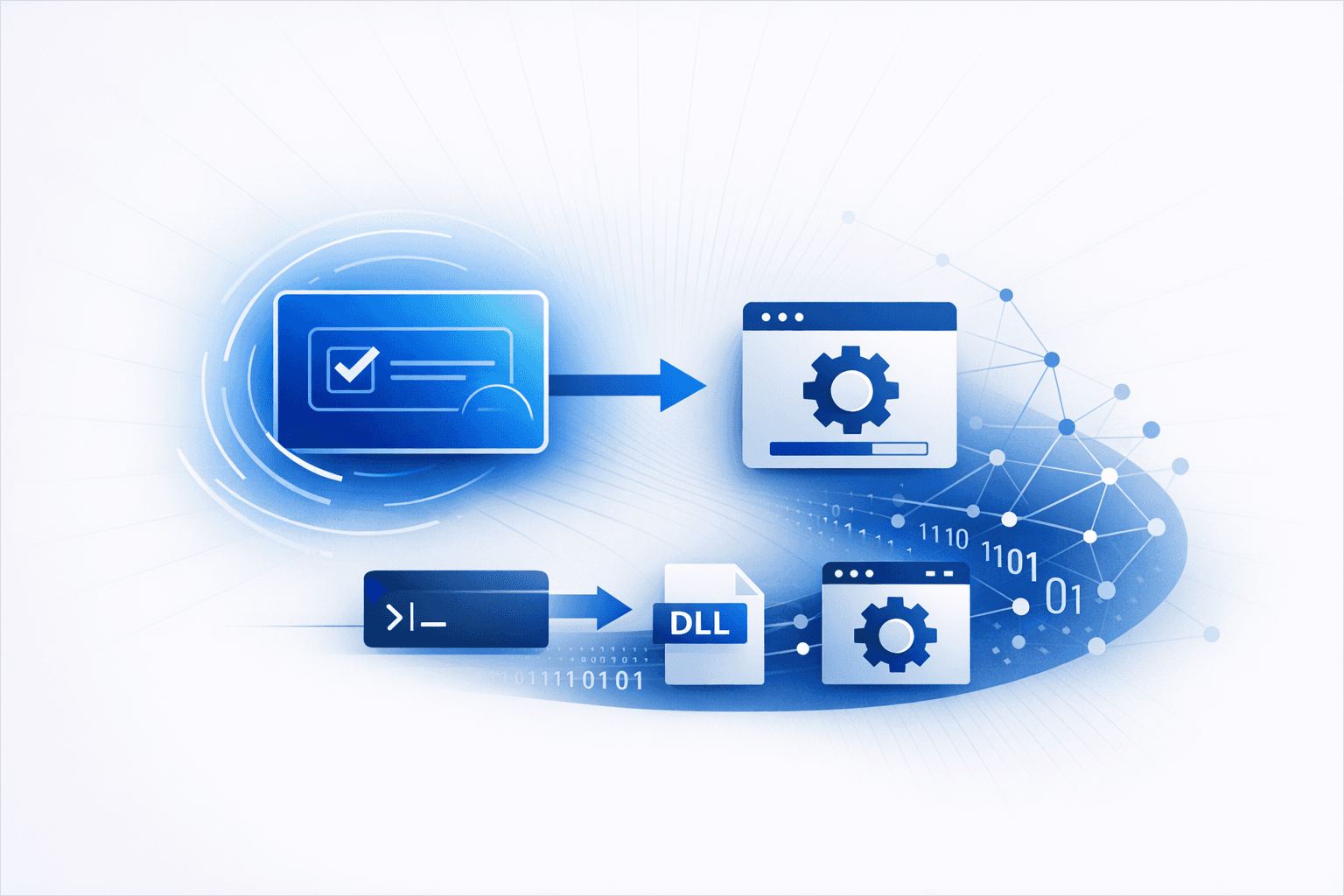
Security researchers reported multiple ClickFix campaigns that compromise endpoints by tricking users into manually executing attacker-provided commands rather than exploiting a software vulnerability. CERT Polska documented an incident response at a large Polish organization where a fake CAPTCHA prompt led a user to run a malicious snippet via Win+R, resulting in malware execution and suspected DLL side-loading from %APPDATA%\Intel (legitimate igfxSDK.exe/version.dll alongside a suspicious wtsapi32.dll). Investigators also identified additional suspicious DLLs in the user’s local AppData and recovered an execution trail consistent with a one-liner that fetched remote content and piped it into PowerShell (e.g., cmd /c curl ... | powershell).
Separately, threat hunting research described a macOS-focused ClickFix operation using typosquatted Homebrew lookalike sites to present a “copy/paste” install command that runs in Terminal. The first-stage script repeatedly prompted for a password and validated it using dscl authonly to harvest working credentials before deploying a second-stage infostealer dubbed Cuckoo Stealer, which was reported to establish LaunchAgent persistence, remove quarantine attributes, and communicate over encrypted HTTPS C2 while targeting browser credentials/session tokens, Keychain data, notes/messaging artifacts, VPN/FTP configs, and cryptocurrency wallets. Both reports highlight ClickFix as an increasingly common, opportunistic initial access technique that scales by abusing trusted user workflows on Windows and macOS.
Why it matters
Impact assessment
ClickFix campaigns are creating cross-platform initial access risk for enterprises by abusing normal user workflows on Windows and macOS instead of exploiting a software flaw. The impact is high because a single deceived user can trigger malware execution, credential theft, persistence, internal network activity, remote command execution, proxying, and broad data theft.
Summary
The affected population includes organizations with Windows and macOS endpoints, especially enterprises where users may trust browser prompts, CAPTCHA pages, or familiar install workflows such as Homebrew. Exposure appears opportunistic and scalable rather than narrowly targeted, and there is confirmed real-world compromise at a large Polish organization.
Supporting details
- Confirmed incident: CERT Polska investigated a malware intrusion at a large Polish organization where the attacker was active inside the network.
- Scope: Researchers describe the activity as opportunistic ClickFix/Fake CAPTCHA abuse, indicating potentially broad exposure across internet users and enterprise endpoints.
- Affected platforms:
- Windows users tricked into running pasted commands via Win+R
- macOS users tricked into pasting malicious Terminal install commands
- Business impact observed or likely:
- Endpoint compromise
- Credential theft, including validated macOS user passwords
- Internal network reconnaissance and lateral-enablement behaviors
- Persistent access via scheduled task or LaunchAgent
- Theft of browser credentials, session tokens, Keychain data, notes, messaging artifacts, VPN/FTP configs, Steam data, and cryptocurrency wallets
- Potential operational disruption from malware remediation and incident response
- Reputational and financial harm from data theft and follow-on intrusion
- Exploitation in the wild:
- Yes. CERT Polska documented a live enterprise incident.
- Hunt.io documented active infrastructure and multiple related typosquat domains supporting the macOS campaign.