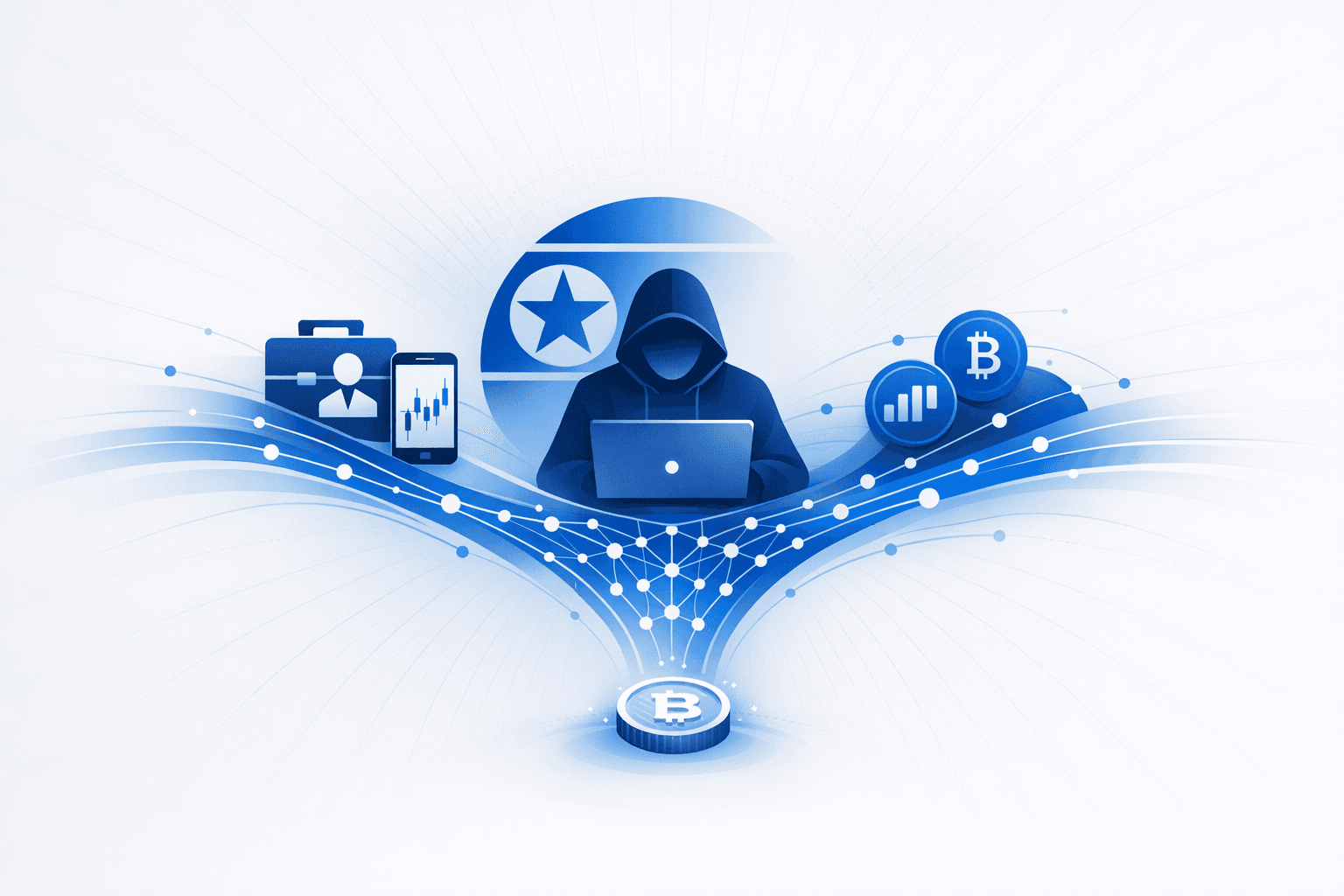
North Korea-Linked Threat Activity and Reporting on Lazarus, IT Worker Schemes, and Related Malware
Threat Actor Intelligence · 35 sources · Updated 5mo ago · First seen Mar 11, 2026

Multiple reports and threat-intel posts highlighted North Korea-linked cyber activity spanning social engineering, malware, and broader ecosystem analysis. AllSecure described an attempted compromise of a CEO via a fake LinkedIn job interview attributed to Lazarus tradecraft (tagged BeaverTail / Contagious Interview), indicating continued use of recruiter-style lures and developer tooling themes (e.g., VSCode) to gain execution on target systems. Separately, eSentire published technical analysis on the DEV#POPPER remote access trojan and associated OmniStealer activity, framing it as DPRK-linked malware and providing defensive guidance for organizations facing this threat class.
Additional DPRK-focused intelligence covered both strategic and operational dimensions. Google’s Cloud Threat Horizons Report H1 2026 discussed cloud-focused threat activity and tracked DPRK-linked clusters (including UNC4899 and UNC5267), while Logpresso published an OSINT report on DPRK remote IT worker infiltration tactics (fraudulent employment/contractor placement). NKInternet released a catalog-style overview of North Korea’s software export ecosystem, and RedAsgard’s “Hunting Lazarus” series contributed hands-on investigative detail into Lazarus operator artifacts. A separate Lazarus threat-actor profile page aggregated historical reporting and statistics, but did not add a discrete new incident beyond compilation.
Why it matters
Impact assessment
North Korea-linked activity in this story affects cryptocurrency firms, software developers, cloud environments, and organizations that hire remote technical staff or contractors. The impact ranges from credential theft and remote access malware infection to insider risk, fraudulent employment, supply-chain compromise, and potential financial theft, with crypto organizations appearing to be a recurring target set.
This exposure is broad rather than isolated: the references describe repeated use of fake job interviews, recruiter lures, code repository abuse, staged RAT delivery, cloud abuse, and remote IT worker infiltration across multiple campaigns and reporting streams. The content indicates active, ongoing threat activity associated with Lazarus, Void Dokkaebi, UNC1069, UNC4899, UNC5267, BeaverTail, OtterCookie, OmniStealer, DEV#POPPER, EtherRAT, and related DPRK-linked clusters; however, the provided material is mostly referral-level and does not independently confirm exploitation counts or breach totals.
Affected populations
- Cryptocurrency organizations and exchanges
- Software developers, especially those using GitHub, npm, VSCode, and code-sharing workflows
- Executives and employees approached through LinkedIn, Teams, Zoom, and recruiter-style outreach
- Organizations employing remote contractors or freelancers through platforms such as Upwork
- Cloud tenants and organizations with developer-centric SaaS and CI/CD exposure
Severity and business risk
- Malware infection can enable remote access, information theft, and follow-on compromise
- IT worker fraud creates insider access, data exposure, payroll fraud, sanctions risk, and reputational damage
- Supply-chain and repository abuse can propagate malicious code into downstream environments
- Crypto-targeted operations raise risk of direct financial theft and laundering activity
Scope and known activity
- The story reflects sustained DPRK-linked operations across multiple reports from March-May 2026
- Multiple references describe active campaigns rather than historical-only analysis
- Known incidents referenced include an attempted CEO compromise via fake LinkedIn interview and repeated reporting on active fake interview and IT worker schemes
- One referenced Lazarus profile page is explicitly described as a compilation rather than a new incident