North Korean Cyber Operations Blur Attribution Across Espionage, Crypto Theft, and Ransomware
Threat Actor Intelligence · 12 sources · Updated 4mo ago · First seen Dec 8, 2024
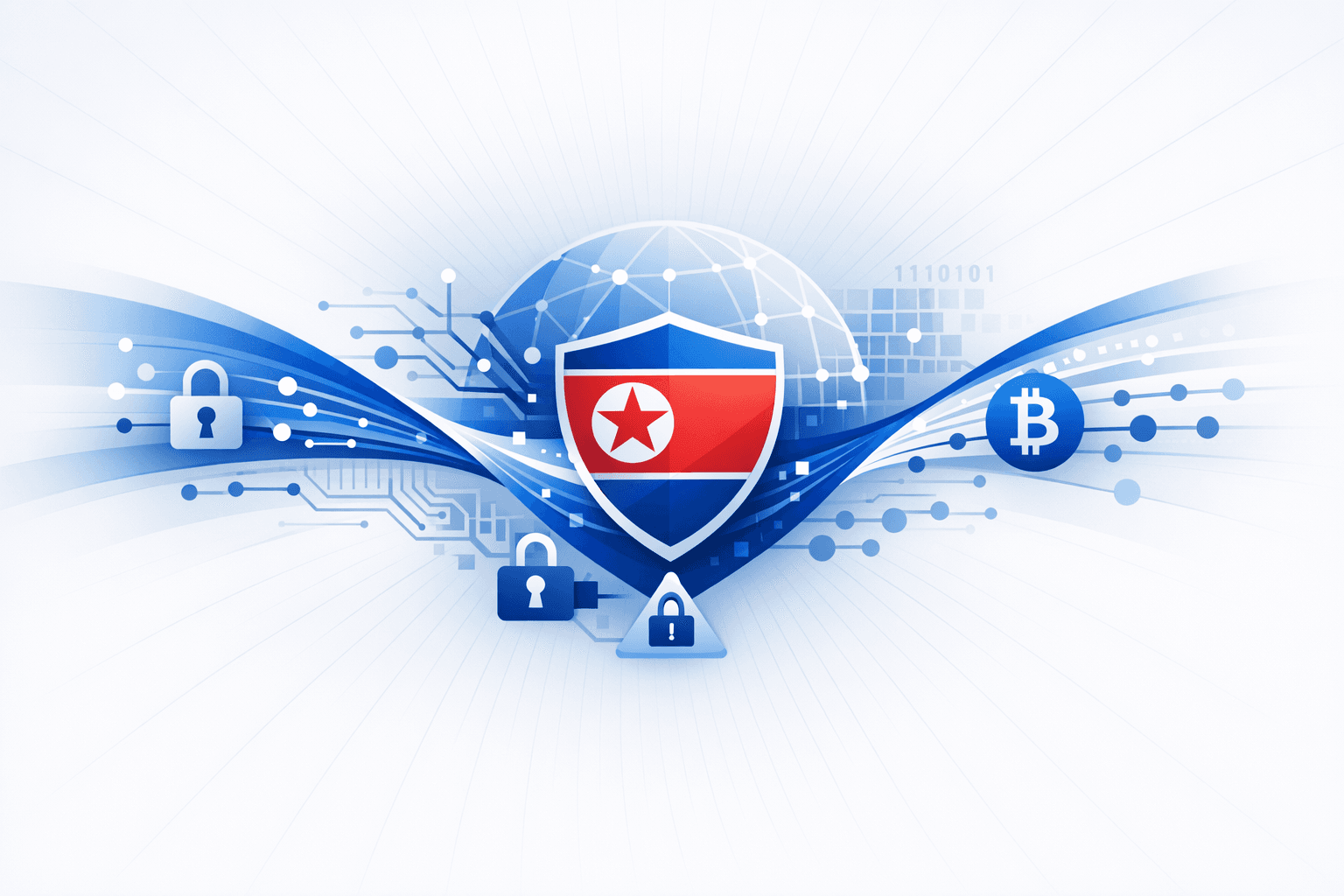
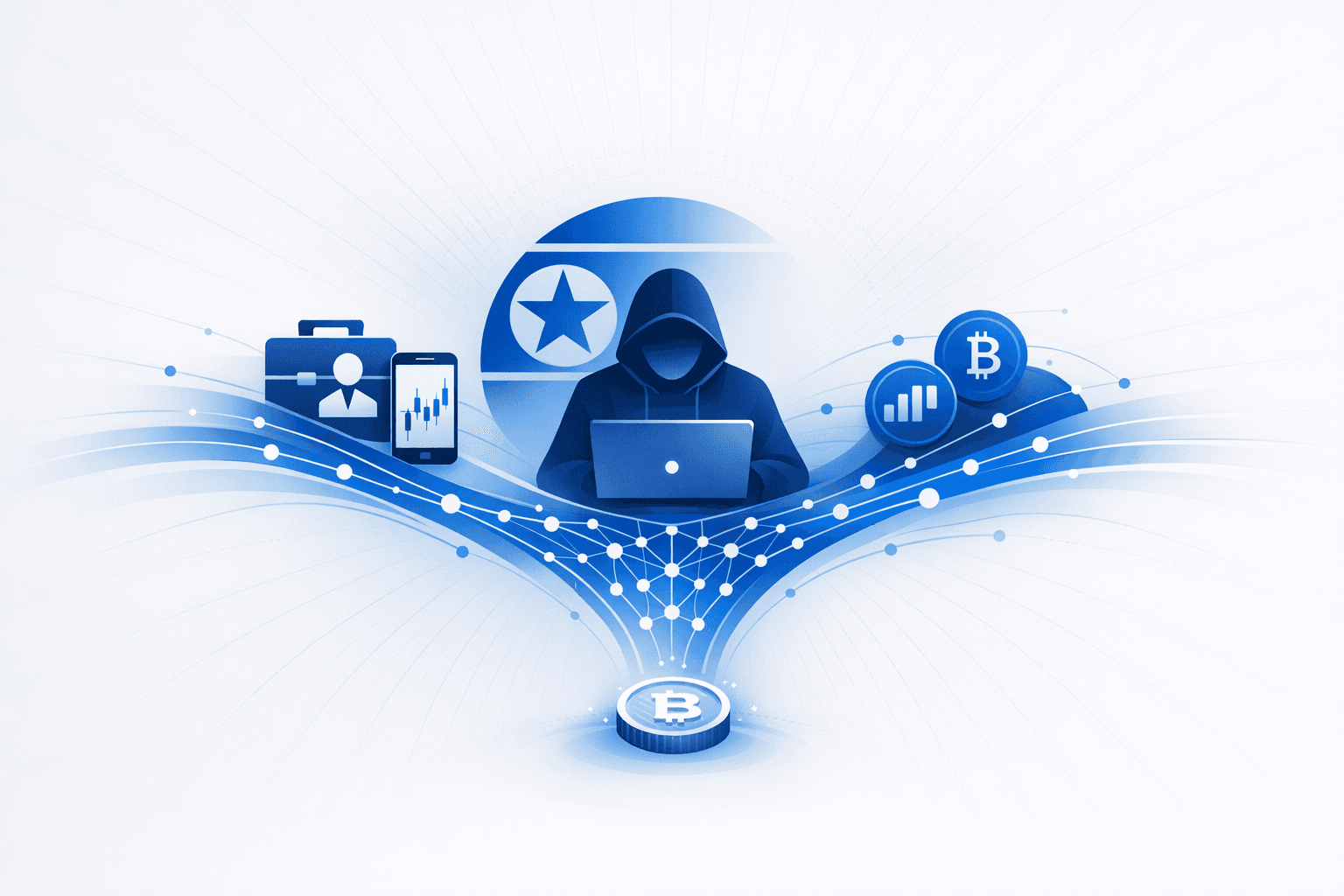
North Korean threat actors have expanded from distinct intrusion sets into overlapping cyber operations that mix espionage, financial theft, and targeted ransomware while reusing malware, infrastructure, and delivery tradecraft. Research across Lazarus, Kimsuky, APT43, and related DPRK-linked clusters shows campaigns against governments, think tanks, defense-linked individuals, banks, cryptocurrency firms, and South Korea-focused political and academic targets. Analysts tied these operations to spear-phishing with Word, HWP, ZIP, and password-protected archive lures; trojanized cryptocurrency software in the AppleJeus family; bank intrusions associated with Bluenoroff and SWIFT fraud; and crypto theft campaigns such as CryptoCore. Trellix also linked several narrowly targeted ransomware families to North Korea’s financial cyber apparatus, reinforcing the regime’s dual use of cyber operations for intelligence collection and revenue generation.
Recent reporting shows attribution is becoming harder because DPRK operators increasingly share tools and infrastructure across sub-clusters and adapt quickly to evade detection. Kimsuky campaigns used AppleSeed, AlphaSeed, GoldDragon, and DEEP#GOSU infection chains with cloud-hosted staging, mshta.exe, PowerShell, VBS, Dropbox, Google Docs, fake Blogspot pages, and strict victim-validation logic, while a later Korea-focused phishing operation combined Facebook, email, and Telegram to deliver obfuscated JSE malware. Separate analysis described a late-2023 crypto supply-chain intrusion delivering the Durian Golang RAT with signs of collaboration between Kimsuky and Andariel, and another case where PEBBLEDASH, long associated with Lazarus, appeared alongside Kimsuky-linked infrastructure. Researchers concluded that malware names alone no longer reliably identify the operator and that accurate attribution now depends on reconstructing the full intrusion chain, infrastructure, targeting, and strategic objective.
Why it matters
Summary
North Korean cyber operations described here affect government, defense, media, academia, financial institutions, cryptocurrency firms, and individuals involved in Korea-related political or diplomatic work. Impact ranges from credential theft and long-term espionage to direct financial theft and targeted ransomware, with both targeted regional campaigns and broader crypto-sector operations showing known real-world exploitation.
Supporting details
Who is affected
- Government institutions, think tanks, diplomatic entities, media organizations, and academic targets in South Korea and the United States.
- Defense-linked individuals and organizations, including people involved in North Korea-related activities.
- Banks, SWIFT-connected financial institutions, cryptocurrency exchanges, trading firms, and financial services companies.
- Individual cryptocurrency users and investors targeted through trojanized software.
Severity and business impact
- Espionage impact includes theft of browser credentials, keylogging, file collection, host profiling, and persistent remote access.
- Financial impact includes SWIFT fraud, cryptocurrency theft worth hundreds of millions of dollars, and targeted ransomware used for revenue generation or as operational distraction.
- Operational impact includes persistence via scheduled tasks, Run keys, services, LaunchDaemons, remote desktop enablement, and post-compromise remote control.
- Reputational and regulatory impact is high for financial and crypto organizations due to theft, customer trust loss, and potential compliance exposure.
Scope and exploitation status
- Activity is not a single widespread worm-like event; it is a mix of targeted spear-phishing, supply-chain compromise, trojanized software distribution, and selective ransomware deployment.
- Exploitation in the wild is established across multiple campaigns: Kimsuky phishing operations, AppleJeus crypto targeting, Bluenoroff SWIFT intrusions, CryptoCore theft, and DPRK-linked ransomware families.
- Attribution is increasingly difficult because DPRK clusters reuse malware, infrastructure, and delivery tradecraft across espionage and financially motivated operations.