Kimsuky Expands AppleSeed and PebbleDash Intrusions With New Malware and Legitimate Tunnels
Threat Actor Intelligence · 14 sources · Updated 5mo ago · First seen May 14, 2026

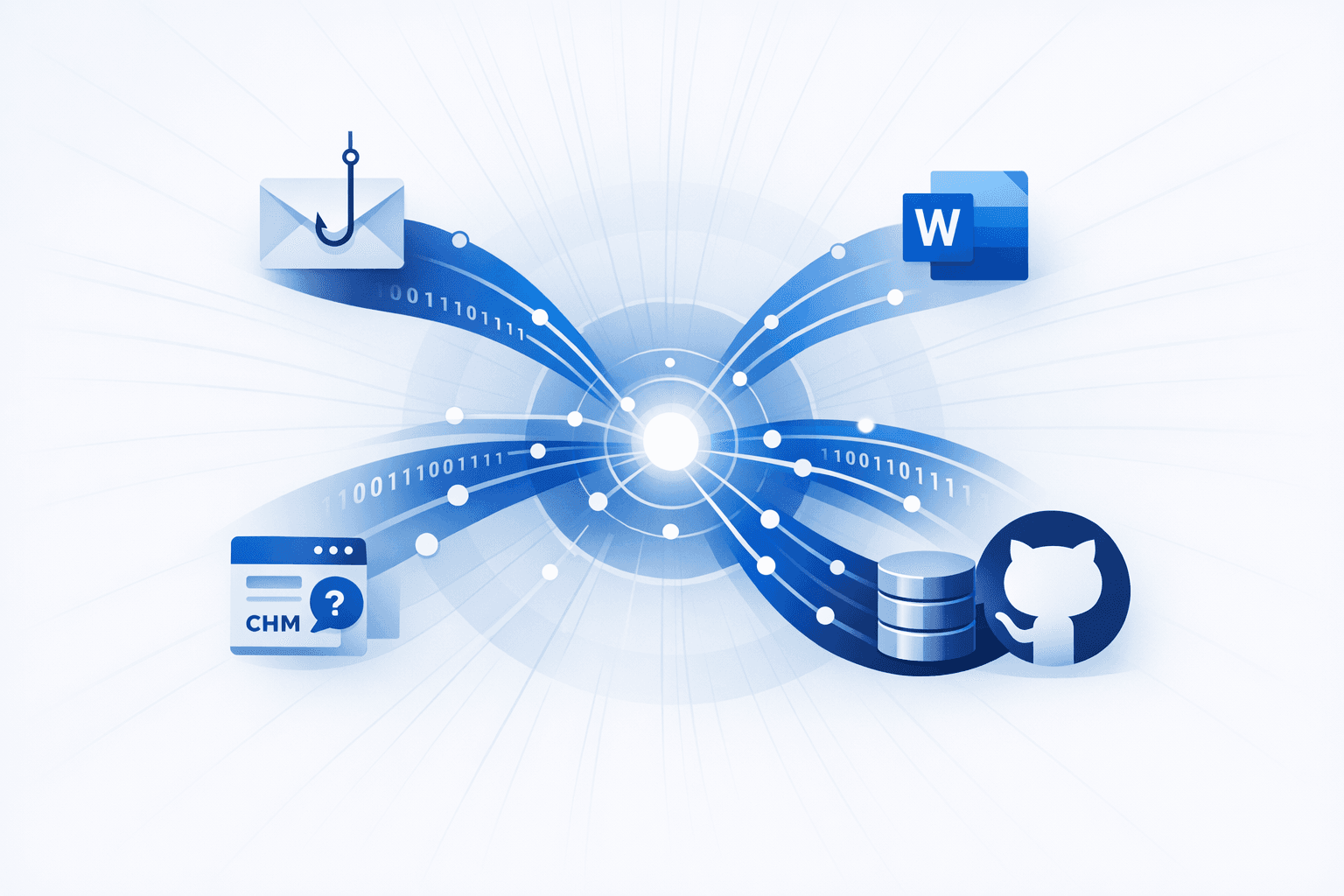
North Korea-aligned threat actor Kimsuky has expanded operations across its AppleSeed and PebbleDash intrusion clusters, using spear-phishing documents to gain initial access and then deploying a broader malware set that includes HelloDoor, httpMalice, MemLoad, httpTroy, AppleSeed, and HappyDoor. Researchers assess with medium-high confidence that both clusters are operated by Kimsuky-affiliated actors, also tracked as APT43 and Ruby Sleet, with AppleSeed showing a stronger focus on government organizations while PebbleDash activity has also reached defense-related entities in Brazil and Germany in addition to South Korean targets.
The campaigns show a notable shift in post-compromise tradecraft, with operators increasingly abusing legitimate remote administration and tunneling tools such as VSCode Remote Tunneling, DWAgent, and Cloudflare Quick Tunnels for persistence and access. The report also notes malware development changes including the use of Rust, probable LLM-assisted code comments, and continued reliance on infrastructure patterns tied to free South Korean hosting domains and compromised South Korean websites, indicating that Kimsuky is modernizing its tooling while preserving long-standing operational habits.
Why it matters
Impact assessment
Kimsuky is expanding active intrusion operations against South Korean government, military, defense, healthcare, and corporate targets, with related PebbleDash activity also reaching defense-linked entities in Brazil and Germany. The impact is high for targeted organizations because the malware set supports persistent remote access, credential and certificate theft, surveillance, and data exfiltration, and the actor is actively modernizing tradecraft to evade conventional network controls.
Summary
These campaigns are targeted rather than indiscriminate, but they affect multiple sectors and use common enterprise tooling and social-engineering themes that can scale. There are known incidents of real-world exploitation across multiple campaigns, including active use of phishing lures, malware loaders, compromised websites, and legitimate tunneling services for post-compromise access.
Affected organizations and populations
- South Korean public and private sector organizations
- Government organizations, especially in the AppleSeed cluster
- Military and defense entities
- Healthcare and medical organizations
- Corporate environments, including messaging administrators and recruiters
- Defense-related entities in Brazil and Germany linked to PebbleDash activity
- Individual users in targeted roles such as graduate school administrators, crypto investors/developers, and defense-sector officials
Severity and business risk
- Data theft risk is significant due to document theft, screenshot capture, keylogging, file transfer, and GPKI certificate extraction
- Operational disruption risk is moderate to high because the actor establishes persistence, remote administration, and selective payload delivery for deeper compromise
- Reputational and regulatory risk is elevated for government, defense, and healthcare victims due to sensitive data exposure
- Credential and certificate theft can enable follow-on impersonation, lateral movement, and access to government-linked services
Scope and exploitation status
- Activity is ongoing and observed in the wild across at least four related campaigns
- Scope is targeted but broad across sectors and geographies tied to Kimsuky priorities
- The actor is using legitimate services such as VSCode Remote Tunneling, Cloudflare Quick Tunnels, DWAgent, GitHub, and Microsoft CDN to reduce detection and extend dwell time