Iranian Cyber-Kinetic Operations Targeting Surveillance and Communications Infrastructure
Threat Actor Intelligence · 4 sources · Updated 5mo ago · First seen Mar 6, 2026

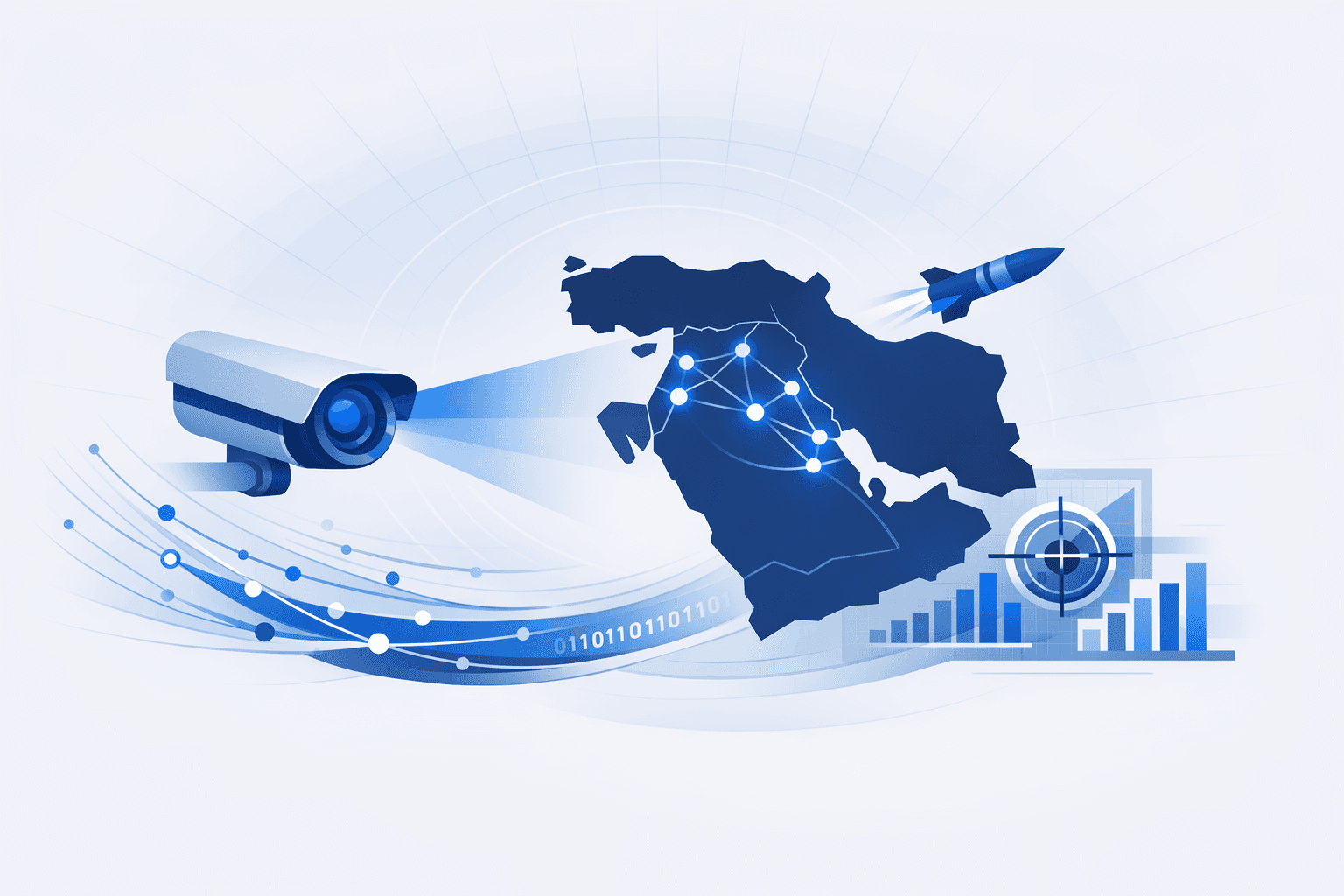
Reporting and analysis indicate Iranian threat actors have increasingly integrated cyber operations with kinetic objectives following the Feb. 28 U.S.-Israel strikes on Iran. Check Point Research assessed intensified targeting of IP cameras—notably devices from Hikvision and Dahua—across Israel and parts of the Gulf (including Qatar, Bahrain, Kuwait, the UAE, and Cyprus), with activity patterns suggesting use for operational support and battle damage assessment tied to missile launches; the research highlights that monitoring camera-targeting infrastructure may provide early warning of follow-on kinetic activity. Separately, commentary on Iranian cyber posture argues the apparent “quiet” is not simply loss of capability, describing a resilient, decentralized operating model and noting prior disruption to leadership and infrastructure (e.g., “Operation Epic Fury”) without eliminating Iran’s ability to conduct operations.
Additional reporting described U.S. Cyber Command participation in coordinated cyber/space actions intended to disrupt Iranian communications and sensor networks during the opening phase of hostilities, and cited claims (attributed to external reporting) that compromised traffic cameras and penetrated mobile networks were used to support real-time intelligence for targeting decisions in Tehran. Other items in the set cover unrelated law-enforcement actions against cybercrime services (e.g., takedowns of Tycoon2FA and LeakBase, and a Phobos ransomware guilty plea), a separate report on suspected DPRK-linked intrusions against cryptocurrency firms, and a general discussion of ransomware market dynamics post-LockBit; these do not materially add to the Iran cyber-kinetic camera/communications targeting narrative.
Why it matters
Impact assessment
Iranian cyber activity is affecting organizations that operate internet-exposed surveillance and communications infrastructure, especially in Israel and Gulf states, with secondary risk to U.S.-based entities that run ICS/SCADA, CCTV, and critical infrastructure environments. The impact is high because the activity is tied to kinetic operations: compromised cameras and communications systems can support targeting, battle-damage assessment, disruption, and psychological operations rather than only conventional data theft.
The exposure appears regionally concentrated but operationally significant, with reporting of active exploitation and successful incidents in the wild. Israeli authorities reported thousands of wiper attacks against Israeli companies, with about 50 companies successfully hit, while multiple sources describe camera compromises and communications disruption being used to support missile or strike operations.
Supporting details
- Affected sectors and populations:
- Organizations operating IP cameras, CCTV, and surveillance infrastructure
- Critical infrastructure operators, including water and ICS environments
- Government entities in Israel, UAE, and Bahrain
- Logistics and supply-chain entities, including the Jordan Silos and Supply General Company
- U.S.-based entities with ICS/SCADA and CCTV exposure, per CrowdStrike reporting on pro-Iranian hacktivist targeting
- Civilian populations exposed to mass text messaging and app-based psychological operations
- Severity:
- Operational disruption from wiper attacks
- Physical security risk from surveillance compromise supporting drone or missile targeting
- Potential intelligence loss from long-term access in sensitive economic or military targets
- Reputational and financial impact for affected private-sector organizations
- Scope:
- Geographic targeting reported across Israel, Qatar, Bahrain, Kuwait, UAE, Cyprus, and focused areas in Lebanon
- Activity is not merely opportunistic; reporting indicates targeted use aligned with military timelines beginning Feb. 28, 2026
- Known incidents and exploitation:
- Thousands of wiper attacks reported against Israeli companies; about 50 reportedly succeeded
- Reported compromise of security cameras across Israel and the Gulf
- Reported prior control of a street camera facing the Weizmann Institute of Science before a ballistic missile strike
- Reported DDoS against government entities in UAE and Bahrain
- Reported phishing-led breach tied to logistics sabotage in Jordan
- Reported compromise of the BadeSaba prayer app for messaging and likely intelligence collection