Mallory
← Back to News
state-sponsored-espionageembedded-device-vulnerabilitythreat-infrastructure-trackingremote-access-implant

Iran-Linked Cyber Activity Escalates Amid Middle East Conflict

Threat Actor Intelligence · 12 sources · Updated 4mo ago · First seen Mar 5, 2026

Iran-Linked Cyber Activity Escalates Amid Middle East Conflict

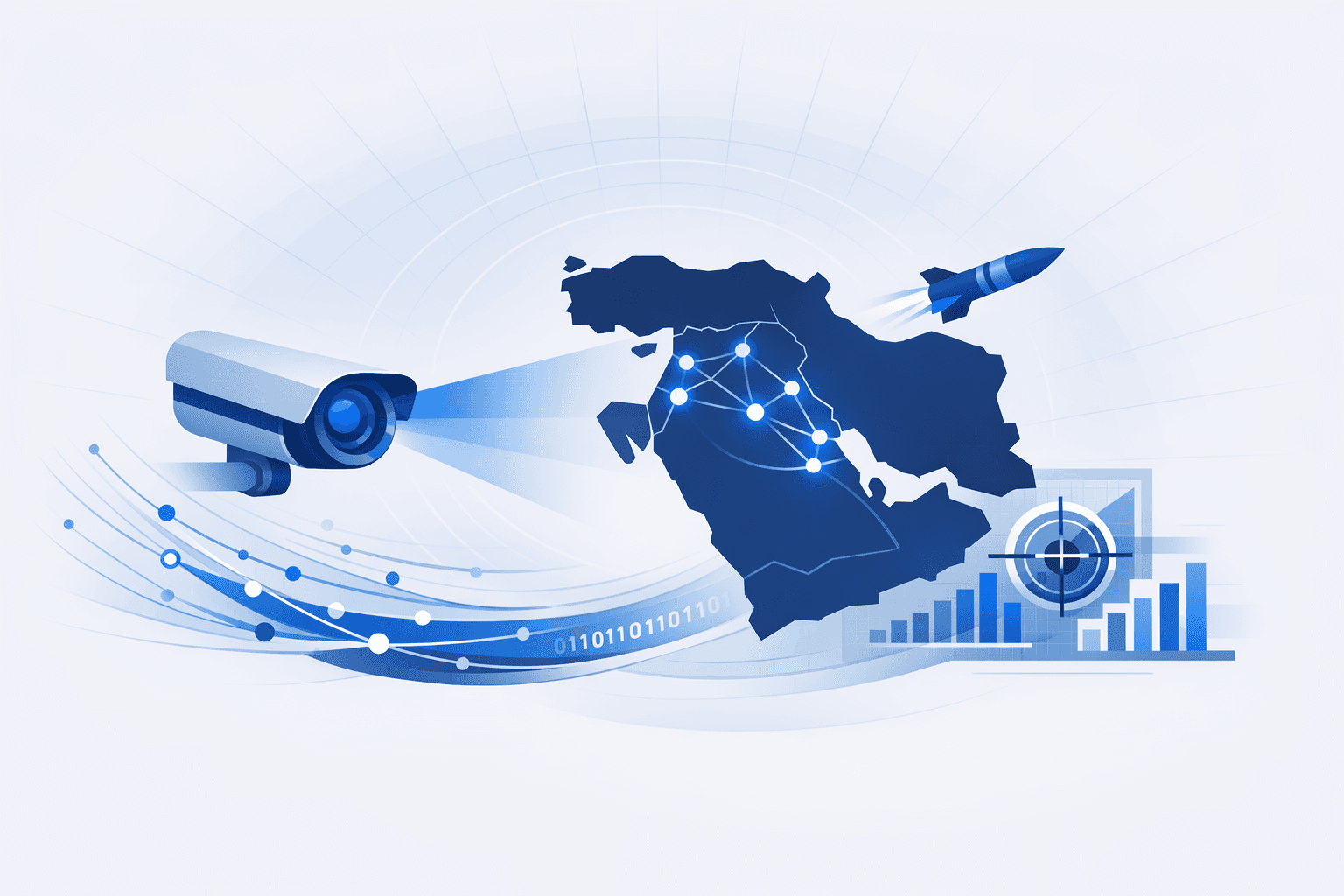
Iran-nexus cyber activity intensified alongside regional military escalation, with multiple reporting streams describing both opportunistic and targeted operations. Check Point Research observed a coordinated campaign to compromise internet-connected IP cameras across Israel, the UAE, Qatar, Bahrain, Kuwait, Lebanon, and Cyprus, with spikes in exploitation attempts aligning to geopolitical events; activity was traced to infrastructure linked to Iran-nexus actors using commercial VPN exit nodes (e.g., Mullvad, ProtonVPN, Surfshark, NordVPN) and VPS infrastructure to mask origin, and the most targeted vendors were Hikvision and Dahua. Separately, Symantec reported Seedworm (MuddyWater/Temp Zagros/Static Kitten) activity on multiple U.S. and Canadian organizations beginning in February 2026, including a U.S. bank, airport, non-profit, and the Israeli operations of a U.S. software supplier to defense/aerospace; Symantec identified a previously unknown backdoor dubbed Dindoor (leveraging the Deno runtime) and a Python backdoor Fakeset, with malware signed using certificates issued to “Amy Cherne” (and in some cases “Donald Gay”), and noted attempted data exfiltration using Rclone to a Wasabi cloud storage bucket.

Additional coverage indicates broader pro-Iranian cyber activity but is less specific to the above intrusions. ASEC’s weekly “Ransom & Dark Web Issues” roundup flags pro-Iranian/pro-Islamist hacktivist attacks against Middle Eastern and pro-Western targets, but provides limited technical detail in the excerpt. A podcast episode describing “Iran’s 12 days of cyber war” and global OT targeting (including Unitronics PLCs) is largely commentary and retrospective framing rather than a discrete, verifiable incident report, and two other items in the set (a Russia-linked APT28 phishing/malware campaign in Ukraine and a China-nexus UAT-9244 telecom intrusion set in South America) describe unrelated threat activity outside the Iran-focused escalation.

Why it matters

Impact assessment

Iran-linked activity is affecting organizations in financial services, transportation, non-profits, defense/aerospace supply chains, and operators of internet-exposed surveillance infrastructure across the Middle East, the U.S., and Canada. The impact spans espionage, attempted data theft, potential operational disruption, and support to real-world military targeting through compromised cameras. Exploitation is active in the wild and includes both targeted intrusions by Seedworm and broader opportunistic exploitation of exposed Hikvision and Dahua devices.

Key business impact

  • Seedworm intrusions were reported at a U.S. bank, a U.S. airport, U.S. and Canadian non-profits, and the Israeli operations of a U.S. software supplier to defense and aerospace.
  • The software supplier’s Israeli operations were assessed as the primary focus, indicating targeted collection against defense-adjacent entities.
  • Attackers attempted data exfiltration from the software company using Rclone to a Wasabi bucket.
  • Symantec and related reporting assessed the intrusions were underway before overt regional escalation, indicating pre-positioned access that could support follow-on espionage or disruptive operations.
  • Check Point reported coordinated attempts to compromise internet-connected IP cameras in Israel, the UAE, Qatar, Bahrain, Kuwait, Lebanon, and Cyprus.
  • Camera compromises were assessed as enabling intelligence collection, troop tracking, battle damage assessment, and target correction for kinetic operations.

Scope and severity

  • Scope is mixed: Seedworm activity appears targeted against selected organizations, while the IP camera exploitation is broader and region-wide against exposed devices.
  • Severity is high for affected organizations because the activity combines stealthy persistence, signed malware, cloud-based exfiltration, and potential physical-world consequences from surveillance compromise.
  • Known exploitation in the wild is established for both the Seedworm intrusions and the camera exploitation campaign.

Entities involved

  • Threat actor: Seedworm
  • Aliases: MuddyWater, Temp Zagros, Static Kitten, Mango Sandstorm, TA450
  • Assessed affiliation: Iran Ministry of Intelligence and Security (MOIS)
  • Related Iran-aligned activity referenced: Handala, DieNet
  • Targeted vendors: Hikvision, Dahua
Know this adversaryTTPs, infrastructure, and targeting history in one profile.
Get the profile
Event timeline

How this story unfolded

Events from the most recent confirmed update back to the earliest known activity.

10 events · Feb 1, 2026 – Mar 6, 2026
  1. Mar 6, 20269mo ago

    Ctrl-Alt-Intel claims access to a Seedworm VPS and recovered data

    Help Net Security reported that the Ctrl-Alt-Intel collective claimed to have accessed a Seedworm/MuddyWater VPS in the Netherlands and recovered command-and-control tooling and victim data. The claim also described broader targeting across Israel, the Middle East, and the U.S., along with tradecraft such as password spraying, CVE exploitation, Ethereum-based C2 resolution, and multiple exfiltration channels.

  2. Mar 5, 20269mo ago

    Researchers publish details of Iran-linked IP camera exploitation

    Reporting on Check Point's findings revealed that Iranian-aligned actors were exploiting five known vulnerabilities and exposed access paths in Hikvision and Dahua devices across the Middle East. The disclosure highlighted the risk that compromised cameras could provide real-time visual intelligence for military targeting and battle damage assessment.

  3. Mar 5, 20269mo ago

    Symantec discloses Seedworm campaign and new Dindoor backdoor

    Symantec reported that Seedworm/MuddyWater had targeted multiple U.S. and Canadian organizations since February 2026 and identified a new Deno-based backdoor named Dindoor, along with a Python backdoor called Fakeset. The report also described attempted exfiltration using Rclone to a Wasabi bucket and attribution evidence from reused code-signing certificates.

  4. Mar 4, 20269mo ago

    Hacktivist groups attack Middle Eastern and pro-Western targets

    ASEC said pro-Iranian and pro-Islamist hacktivist groups carried out cyber attacks against Middle Eastern and pro-Western targets. The roundup framed this as part of the threat activity observed in early March 2026.

  5. Mar 4, 20269mo ago

    Morpheus ransomware attacks a South Korean plating company

    ASEC reported that the Morpheus ransomware operation attacked a plating company in South Korea. The incident was included in ASEC's week 1 March 2026 ransomware and dark web roundup.

  6. Mar 4, 20269mo ago

    Ailock ransomware resumes activity and republishes victim data

    ASEC reported that the Ailock ransomware group became active again and republished data from previous victims. The roundup did not provide a more specific date than its week-one-of-March reporting window.

  7. Feb 28, 20269mo ago

    MuddyWater activity increases after regional escalation

    Researchers said Seedworm/MuddyWater operations increased after the February 28 strikes, with existing footholds in victim networks potentially positioned for espionage, disruption, or future destructive actions.

  8. Feb 28, 20269mo ago

    U.S.-Israeli strikes on Iran precede increase in Iranian cyber activity

    Multiple reports said Iranian cyber operations intensified after U.S. and Israeli military strikes on Iran. The cited date for the strikes was February 28, 2026, and researchers assessed some intrusions had been pre-positioned before the conflict escalation.

  9. Feb 25, 20269mo ago

    Iranian actors launch IP camera targeting campaign in the Middle East

    Check Point researchers observed an Iran-nexus campaign targeting internet-exposed Hikvision and Dahua cameras across multiple Middle East countries starting in late February 2026. The activity was assessed as supporting intelligence collection for possible kinetic operations.

  10. Feb 1, 202610mo ago

    Iran-linked actors begin intrusions into U.S. and Canadian organizations

    Researchers reported that Seedworm/MuddyWater activity inside multiple organizations began in early February 2026, affecting a U.S. bank, a U.S. airport, nonprofits in the U.S. and Canada, and the Israeli operations of a U.S. software supplier tied to defense and aerospace.

Linked entities

Related entities

Vulnerabilities, threat actors, malware, products, organizations, breaches, and observables Mallory has linked to this story. Indicator values are masked here and available in full in the app.

Open in app →

Threat actors

1 linked

Malware

2 linked

Organizations

2 linked
HikvisionZhejiang Dahua Technology Co., Ltd.

Observables

30 linked

Indicator values are masked on this page. View all 30 in Mallory Domains, IPs, hashes, and URLs are exportable to your SIEM.

Do you run this?See this adversary's TTPs, infrastructure, and targeting history, correlated against your exposure.
Get the Full Actor Profile
Mallory platform

See the full picture, correlated to your attack surface.

This page covers what’s public. Mallory adds the parts that aren’t: which of your assets are affected, which threat actors are using it right now, and what to deploy next.

Exposure mappingMap indicators from this story to your assets and identify affected systems in minutes.
Threat actor evidenceEvery observed campaign, victim, and pivot linked to actors named in this story.
Associated malwareMalware, exploits, and IOCs connected to the activity described here.
Detection signaturesYARA, Sigma, and Snort rules deployed to your SIEM as soon as they’re published.
Scheduled alertsGet matching new stories delivered to your team as they break, not the next morning.
AI threadsAsk questions about this story and take action on the answers.