Iran-linked cyber activity escalates alongside Middle East hostilities, including IP camera targeting and DDoS campaigns
Threat Actor Intelligence · 3 sources · Updated 5mo ago · First seen Mar 4, 2026
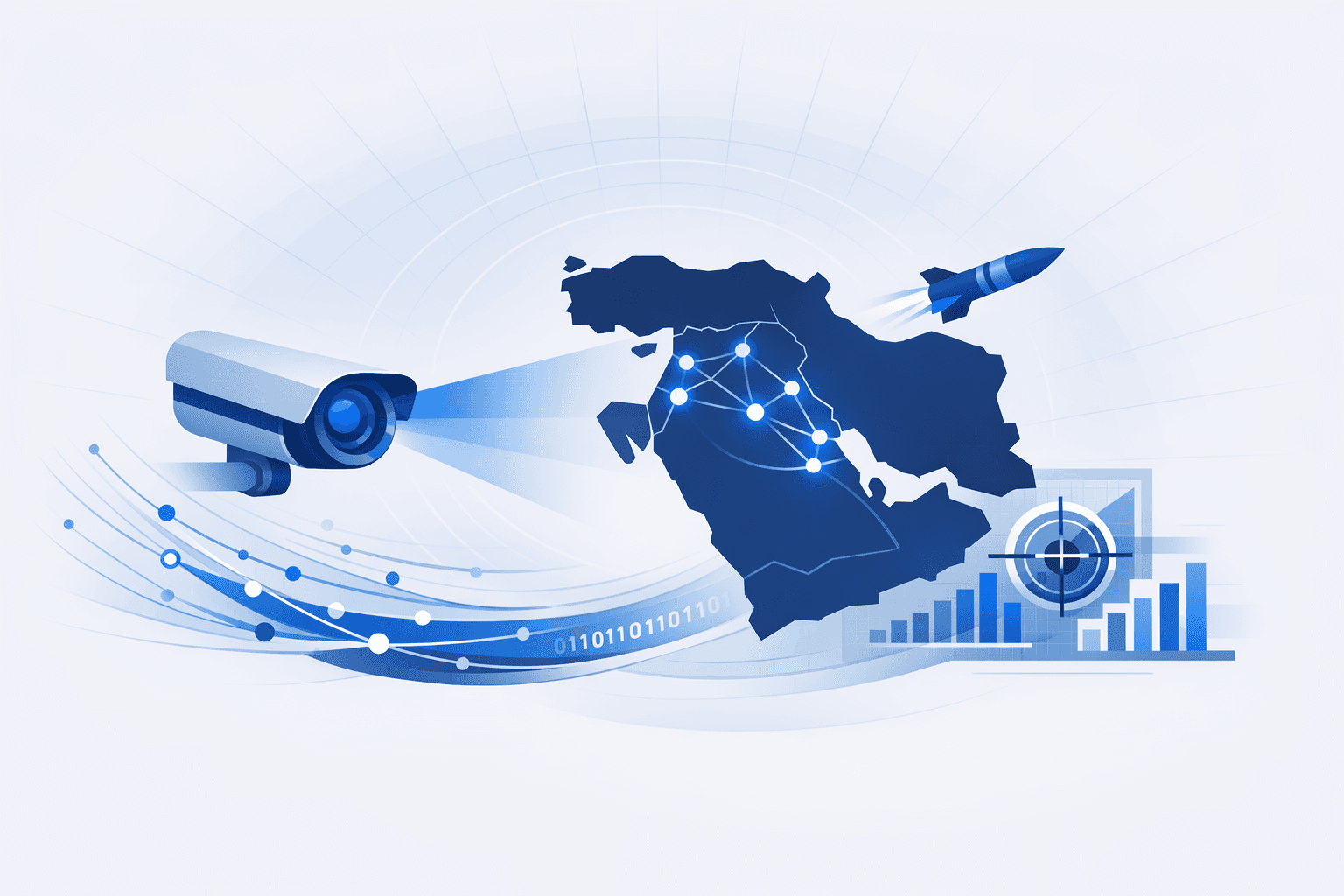
Iran-attributed cyber activity increased alongside escalating Middle East hostilities, with researchers reporting intensified targeting of internet-connected IP cameras across Israel, Qatar, Bahrain, Kuwait, the UAE, Cyprus, and later specific areas in Lebanon. Check Point assessed the activity as consistent with Iranian doctrine of leveraging compromised cameras for operational support and battle damage assessment (BDA) tied to missile operations, noting that tracking camera-targeting infrastructure may provide early warning of potential follow-on kinetic activity.
Separately, Radware reported 149 Iran-linked DDoS attacks observed between Feb 28 and Mar 2, largely aimed at government entities in the Middle East, and attributed most activity to three hacktivist groups: Keymous+, DieNet, and Conquerors Electronic Army. Additional OSINT-driven infrastructure analysis described broader Iranian state-aligned clustering using indicators such as ASN patterns and TLS fingerprints to map suspected operational infrastructure, while commentary from industry sources emphasized that destructive “wiper” malware remains a key concern (citing families including ZeroCleare, Meteor, Dustman, DEADWOOD, and Apostle). A separate ransomware “monthly state” roundup and a detection-engineering newsletter were not specific to this Iran/Middle East activity and do not materially support the incident reporting.
Why it matters
Impact assessment
Iran-linked cyber activity is affecting organizations that operate internet-exposed surveillance infrastructure and public-facing services in the Middle East, especially government entities and operators using Hikvision and Dahua cameras. The immediate risk includes intelligence collection, operational support for kinetic targeting, service disruption from DDoS, and potential escalation to destructive malware activity associated with prior Iranian campaigns.
Key impact points
- Affected geographies explicitly reported: Israel, Qatar, Bahrain, Kuwait, UAE, Cyprus, and later specific areas in Lebanon.
- Affected sectors explicitly reported: government entities were the primary DDoS targets; broader historical targeting includes energy, financial services, defense-related organizations, and government networks.
- Affected products: Hikvision and Dahua IP cameras, NVRs, and related management platforms/software.
- Severity is high for exposed camera operators because compromise can enable surveillance, battle damage assessment, and possible support to missile operations.
- Operational disruption is confirmed through 149 Iran-linked DDoS attacks observed between Feb. 28 and Mar. 2.
- Destructive impact remains a credible concern based on cited Iranian-linked wiper families: ZeroCleare, Meteor, Dustman, DEADWOOD, and Apostle.
- Scope appears regionally concentrated but multi-country and coordinated rather than isolated; activity spiked in the first hours of hostilities and aligned with geopolitical events.
- Exploitation in the wild is indicated by observed scanning and exploitation attempts against known camera vulnerabilities and by active DDoS operations attributed largely to Keymous+, DieNet, and Conquerors Electronic Army.
Entities and groups mentioned
- Check Point Research
- Radware
- Hunt.io
- Keymous+
- DieNet
- Conquerors Electronic Army
- MuddyWater
- VoidManticore
- APT42 / Charming Cypress / Mint Sandstorm
- APT35
- Dark Scepter / overlapping APT34 (OilRig)
- Infy