Mallory
← Back to News
state-sponsored-espionageinternet-exposed-serviceembedded-device-vulnerabilitygovernment-diplomatic-threat

State-Linked Hacking of Traffic and Security Cameras to Support Kinetic Targeting in the Israel–Iran Conflict

Active Exploitation · 7 sources · Updated 5mo ago · First seen Mar 6, 2026
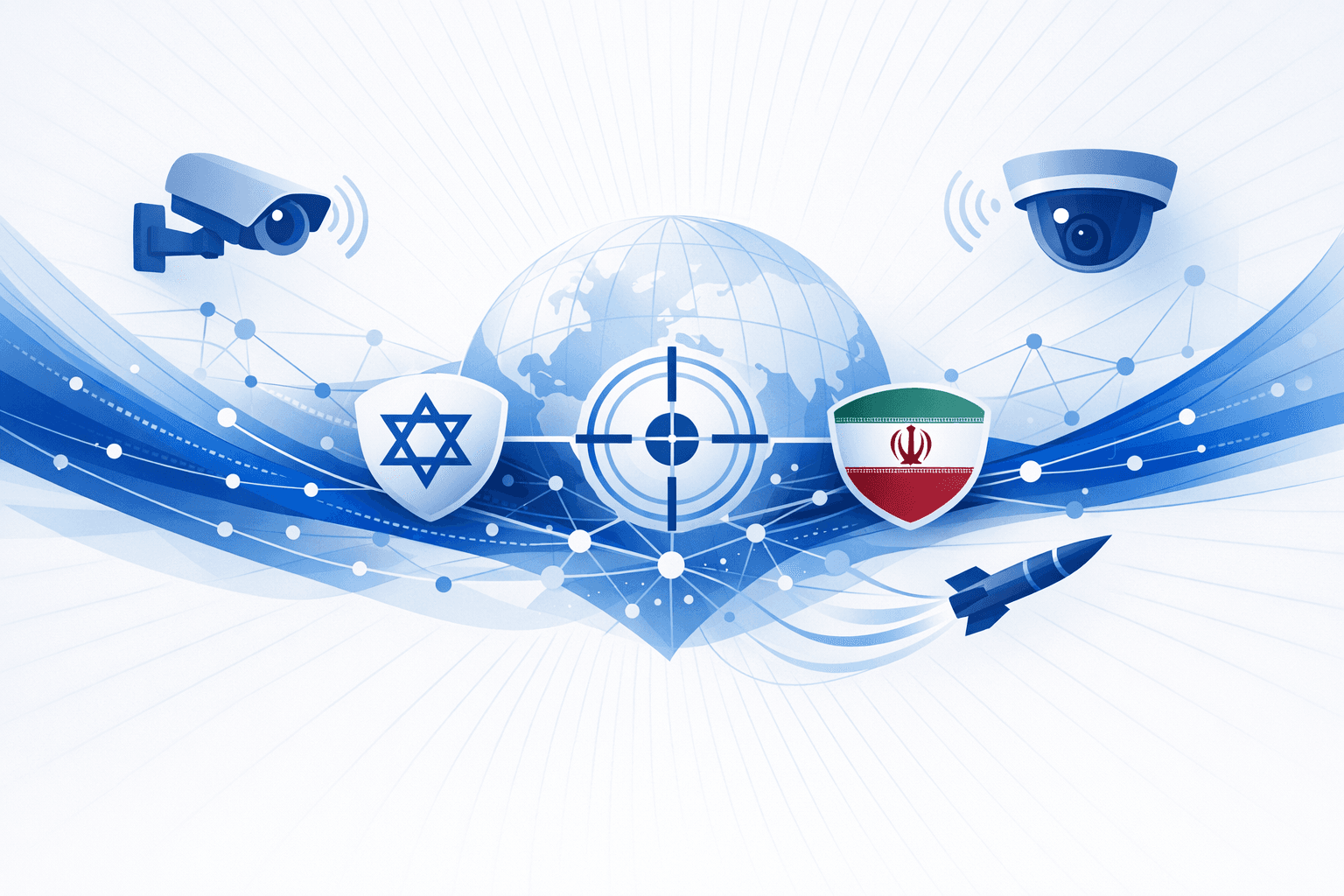
State-Linked Hacking of Traffic and Security Cameras to Support Kinetic Targeting in the Israel–Iran Conflict

Reporting indicates state-linked operators are compromising or attempting to compromise internet-exposed traffic and security cameras to support real-world military and intelligence operations in the Israel–Iran conflict. Multiple outlets cited by Schneier on Security describe Israel hacking Iranian traffic cameras to help track movements and assist in the killing of Iranian leadership, with broader context reportedly covered by The New York Times on the overall intelligence operation.

Separately, Risky Business reports a spike in scanning and exploitation attempts against Hikvision and Dahua cameras across Israel and several Middle East countries (including Qatar, Bahrain, Kuwait, the UAE, and Cyprus), attributed to a group tied to the Iranian government. Check Point assessed the activity included attempts to exploit older, known vulnerabilities, and analysts believe the intent was to obtain street-level imagery for targeting support, battle-damage assessment, and propaganda; similar camera-focused activity was also noted during earlier periods of heightened tension and prior regional strikes, reinforcing camera compromise as an emerging, repeatable battlefield tactic.

Why it matters

Impact assessment

Internet-exposed IP cameras are being used as cyber-physical intelligence assets to support real-world targeting, reconnaissance, and post-strike assessment in the Israel-Iran conflict. The affected population extends beyond governments and militaries to private-sector organizations and consumers operating exposed Hikvision, Dahua, and similar camera systems in Israel, Lebanon, Cyprus, Qatar, Bahrain, Kuwait, the UAE, and Iran.

The impact is high because compromise can expose live street-level imagery, pattern-of-life data, facility visibility, and strike effects, creating direct physical security risk in addition to cyber exposure. The scope is broad and opportunistic rather than narrowly targeted at one organization type; reporting indicates active scanning and exploitation attempts in the wild, timed to geopolitical events and missile/drone strike windows.

Affected entities and sectors

  • Internet-exposed traffic cameras and security cameras, especially Hikvision and Dahua devices
  • Organizations in targeted geographies: Israel, Iran, Qatar, Bahrain, Kuwait, UAE, Cyprus, Lebanon
  • Critical infrastructure and industrial environments using cameras in oil and gas, power grids, telecommunications, and adjacent OT environments
  • Private-sector organizations and consumers with self-managed or shadow IoT deployments

Severity and business risk

  • Physical security exposure from live surveillance of facilities, routes, personnel, and surrounding streets
  • Operational disruption if cameras are commandeered, re-angled, or used to support hostile action
  • Reputational and legal risk if exposed feeds reveal customer, employee, or public activity
  • Elevated risk for organizations that do not consider themselves nation-state targets but operate exposed assets in a targeted country

Scope and exploitation status

  • Known exploitation attempts were reported by Check Point against camera infrastructure across multiple Middle East countries
  • Activity reportedly surged around January 14-15, February 28, and March 1, aligned with regional tensions and strikes
  • Reporting cites prior wartime use of compromised cameras by Russia, Ukraine, Israel, Iran, and affiliated actors, indicating a repeatable and established tactic rather than an isolated event

This is being exploited nowSee which actors are running it and whether you're in range.
Check your exposure
Event timeline

How this story unfolded

Events from the most recent confirmed update back to the earliest known activity.

5 events · Jan 14, 2026 – Mar 6, 2026
  1. Mar 6, 20269mo ago

    Check Point discloses Iran-linked campaign targeting security cameras

    By March 6–7, 2026, reporting based on newly released Check Point research described hundreds of blocked attempts to exploit five previously patched vulnerabilities in Hikvision and Dahua cameras across Israel and several Middle East countries. Check Point linked parts of the infrastructure to Iranian actors, including overlap with the Iran-aligned group Handala, and assessed the likely purpose as battlefield reconnaissance, targeting support, and battle-damage assessment.

  2. Mar 5, 20269mo ago

    Reports say Israel used Tehran traffic cameras in intelligence operation

    Multiple outlets reported that Israel had accessed traffic cameras in Tehran as part of a broader intelligence operation tied to precision strikes against Iranian leadership. Some reporting described the camera access as helping build targeting intelligence used in assassinations or leadership strikes.

  3. Mar 1, 20269mo ago

    Focused camera targeting seen in parts of Lebanon

    On March 1, 2026, Check Point identified additional concentrated targeting of internet-exposed cameras in parts of Lebanon. The activity was part of the broader Iran-linked campaign against camera infrastructure across Israel and neighboring states.

  4. Feb 28, 20269mo ago

    Camera-targeting activity spikes amid Israel-Iran tensions

    Check Point observed a notable surge in Iran-linked attempts to access exposed IP cameras beginning on February 28, 2026. The activity coincided with heightened regional military tensions and was assessed as supporting targeting, reconnaissance, or battle-damage assessment.

  5. Jan 14, 202611mo ago

    Iran-linked camera scanning observed across the region

    Check Point reported earlier waves of scanning and exploitation attempts against internet-exposed Hikvision and Dahua cameras on January 14–15, 2026, activity it linked to Iran-associated infrastructure. The campaign targeted Israel and other Middle East countries and appeared aimed at reconnaissance and military intelligence collection.

Linked entities

Related entities

Vulnerabilities, threat actors, malware, products, organizations, and breaches Mallory has linked to this story.

Open in app →

Organizations

3 linked
HikvisionDahua TechnologyZhejiang Dahua Technology Co., Ltd.
Do you run this?Correlate live exploitation activity against the software you actually run, and see where you're exposed.
See Who's Exploiting This
Mallory platform

See the full picture, correlated to your attack surface.

This page covers what’s public. Mallory adds the parts that aren’t: which of your assets are affected, which threat actors are using it right now, and what to deploy next.

Exposure mappingMap indicators from this story to your assets and identify affected systems in minutes.
Threat actor evidenceEvery observed campaign, victim, and pivot linked to actors named in this story.
Associated malwareMalware, exploits, and IOCs connected to the activity described here.
Detection signaturesYARA, Sigma, and Snort rules deployed to your SIEM as soon as they’re published.
Scheduled alertsGet matching new stories delivered to your team as they break, not the next morning.
AI threadsAsk questions about this story and take action on the answers.