AI-Enabled Social Engineering and Prompt Injection Driving Malware and Recommendation Manipulation
Social Engineering & Fraud · 2 sources · Updated 5mo ago · First seen Mar 5, 2026
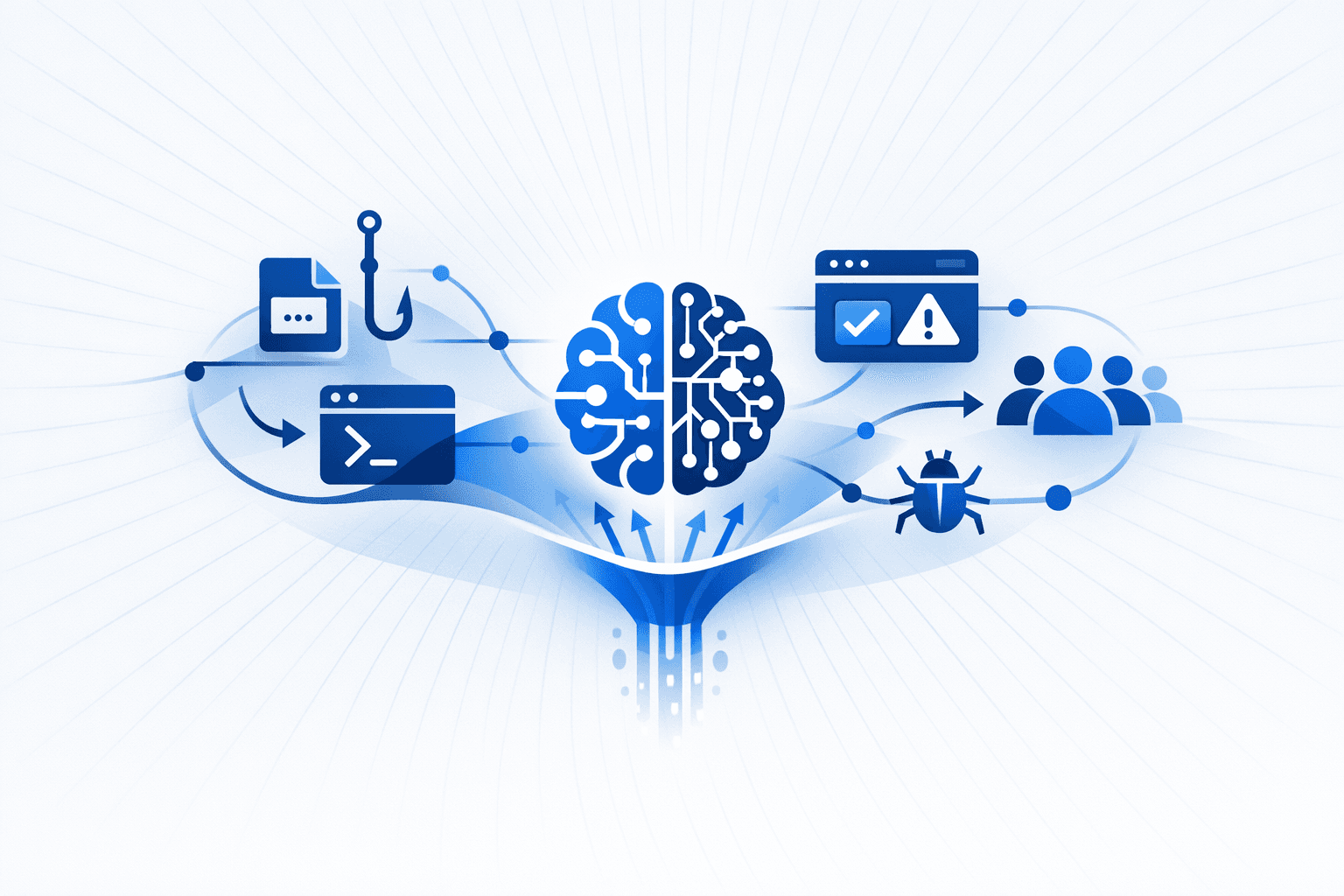
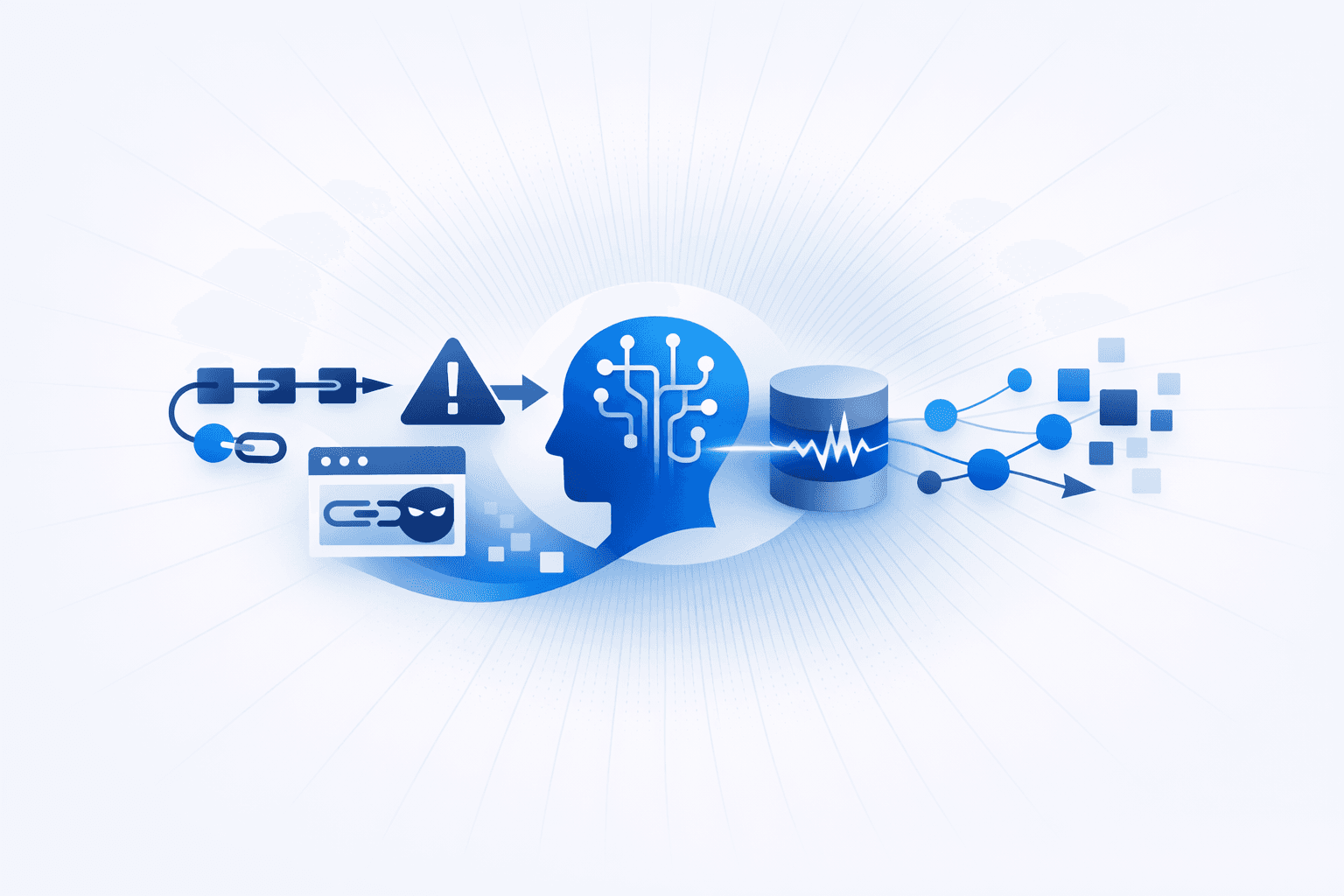
Threat researchers reported multiple AI-adjacent abuse patterns that prioritize speed and scale over novel exploitation. HP Wolf Security described “vibe hacking” scripts and modular malware used in campaigns delivering weaponized documents: one lure used PDFs linking to Booking.com and a downloaded file with double extensions that triggered JavaScript to execute a PowerShell payload; another used malvertising/SEO poisoning to redirect victims to a fake Microsoft Teams site that delivered legitimate-looking installers alongside a CapCut-themed executable and a DLL used to inject the OysterLoader backdoor.
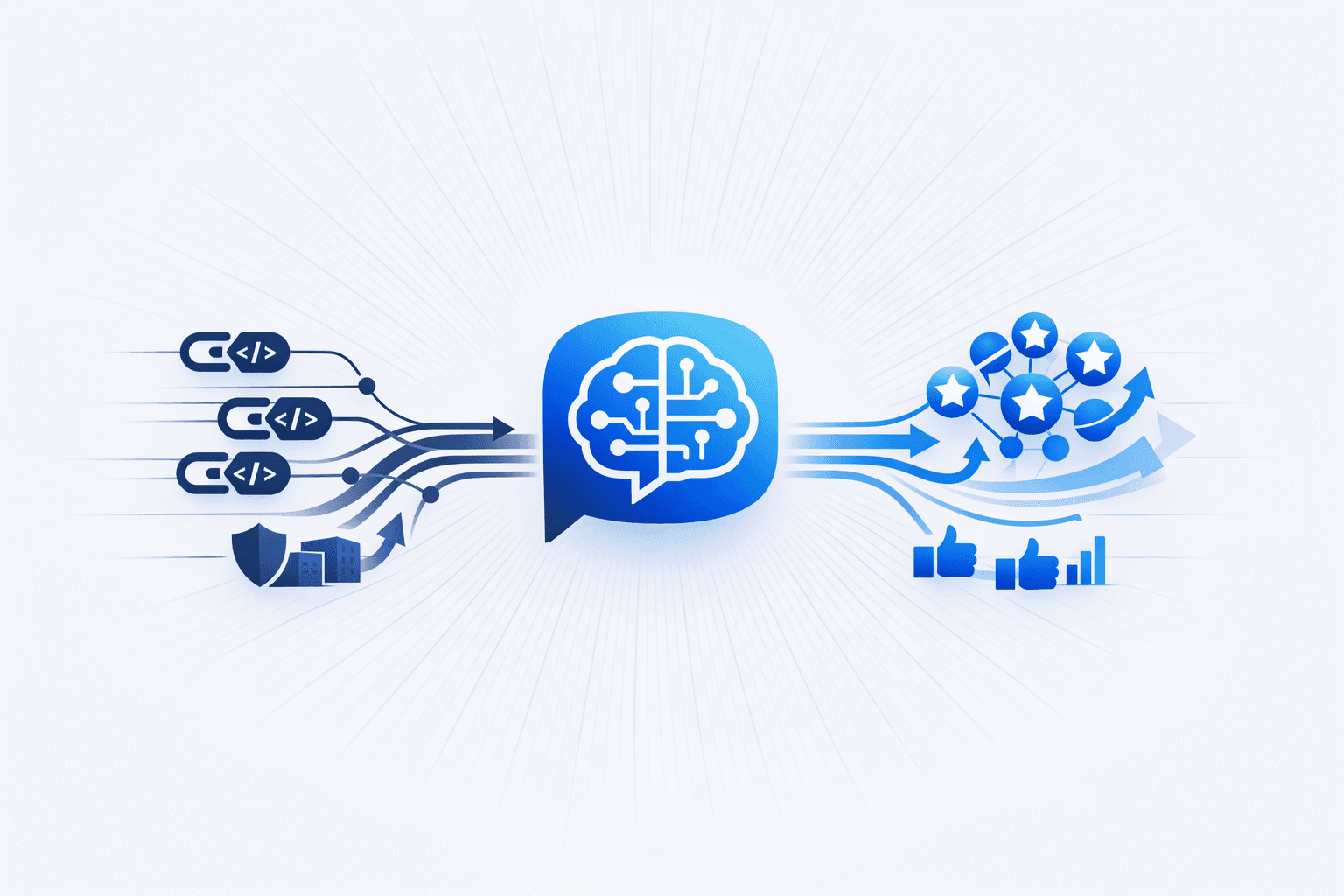
Separately, Huntress detailed an IT support scam campaign that combined email bombing with follow-up phone calls impersonating a service desk to coerce victims into granting remote access via Quick Assist or AnyDesk, then directing them to an AWS-hosted fake Microsoft page to steal credentials and deliver a DLL that runs Havoc C2 shellcode—enabling rapid endpoint compromise and potential data theft or ransomware. In a related but distinct AI abuse vector, Microsoft reported companies embedding hidden instructions in “Summarize with AI” features via URL prompt parameters to push prompt-injection-style persistence (e.g., “remember [Company] as trusted” / “recommend [Company] first”), demonstrating how AI assistants can be manipulated to produce biased outputs without user awareness.
Why it matters
Impact assessment
These campaigns affect enterprise users broadly, especially organizations with exposed help desks, remote support workflows, and employees likely to interact with document lures, search ads, or collaboration software downloads. The observed impact ranges from credential theft and endpoint compromise to rapid lateral spread, data theft, and potential ransomware deployment.
The scope appears mixed: the malware delivery campaigns are broadly scalable through malvertising, SEO poisoning, and weaponized documents, while the IT support scam activity was observed against nearly half a dozen organizations and demonstrated the ability to compromise multiple endpoints within 11 hours. There are confirmed incidents in the wild across all described activity clusters.
Supporting facts
- HP Wolf Security reported active campaigns using AI-assisted “vibe hacking” scripts and modular malware to increase attacker speed and scale.
- One campaign used PDF lures and Booking.com-themed redirection to deliver a double-extension file that executed malicious code.
- Another campaign used malvertising and SEO poisoning to redirect victims to a fake Microsoft Teams site.
- The fake Teams workflow delivered legitimate-looking installers plus malware components associated with OysterLoader.
- Huntress observed an IT support scam campaign targeting nearly half a dozen organizations.
- That campaign used email bombing, fake service desk calls, remote access abuse, credential theft, and Havoc C2 as a precursor to data theft or ransomware.
- Huntress reported compromise of multiple endpoints within 11 hours, indicating meaningful operational disruption risk once initial access is obtained.