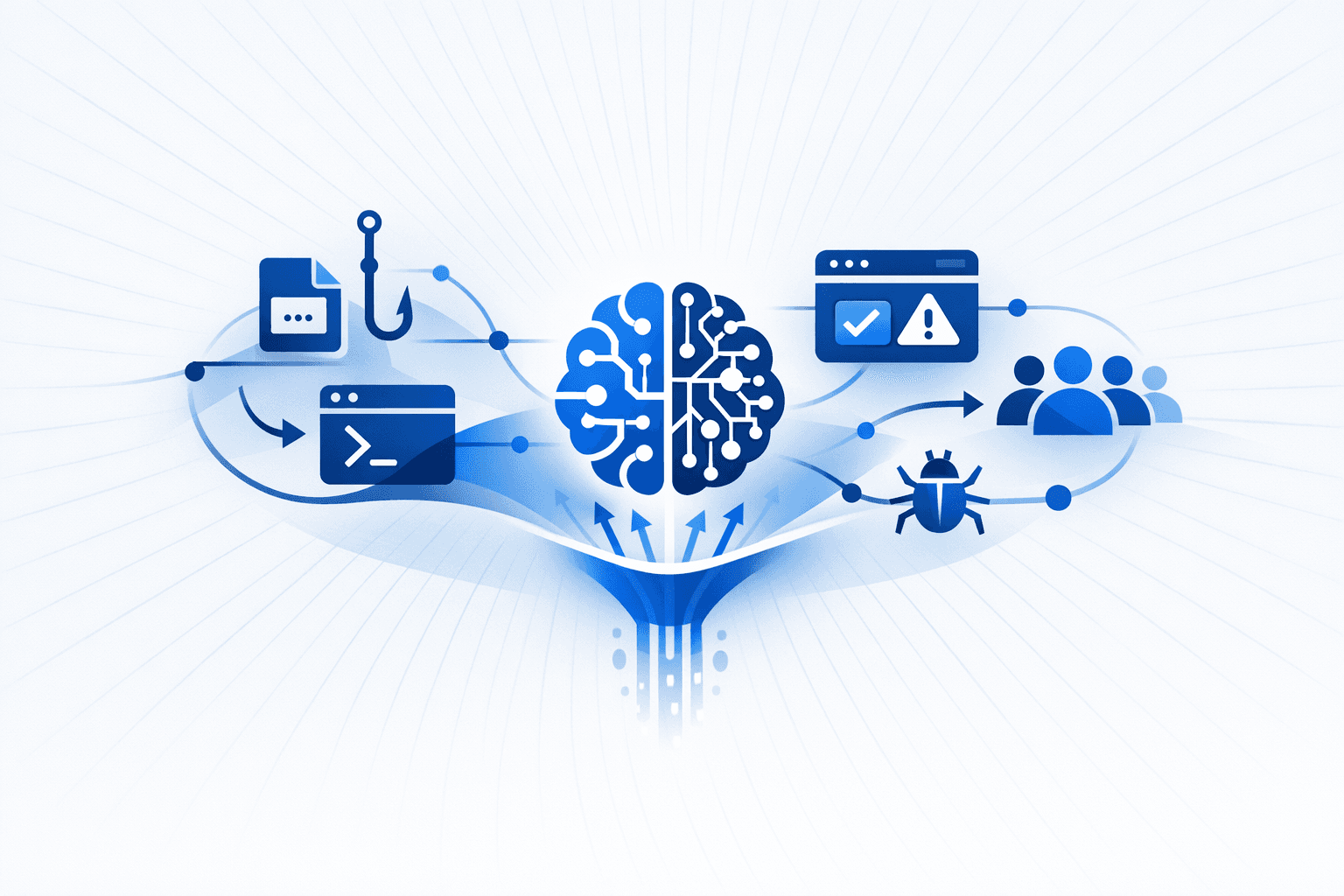
AI Recommendation Poisoning via Hidden Prompts and Reputation-Farming Agents
Emerging Technology Risk · 3 sources · Updated 5mo ago · First seen Feb 17, 2026
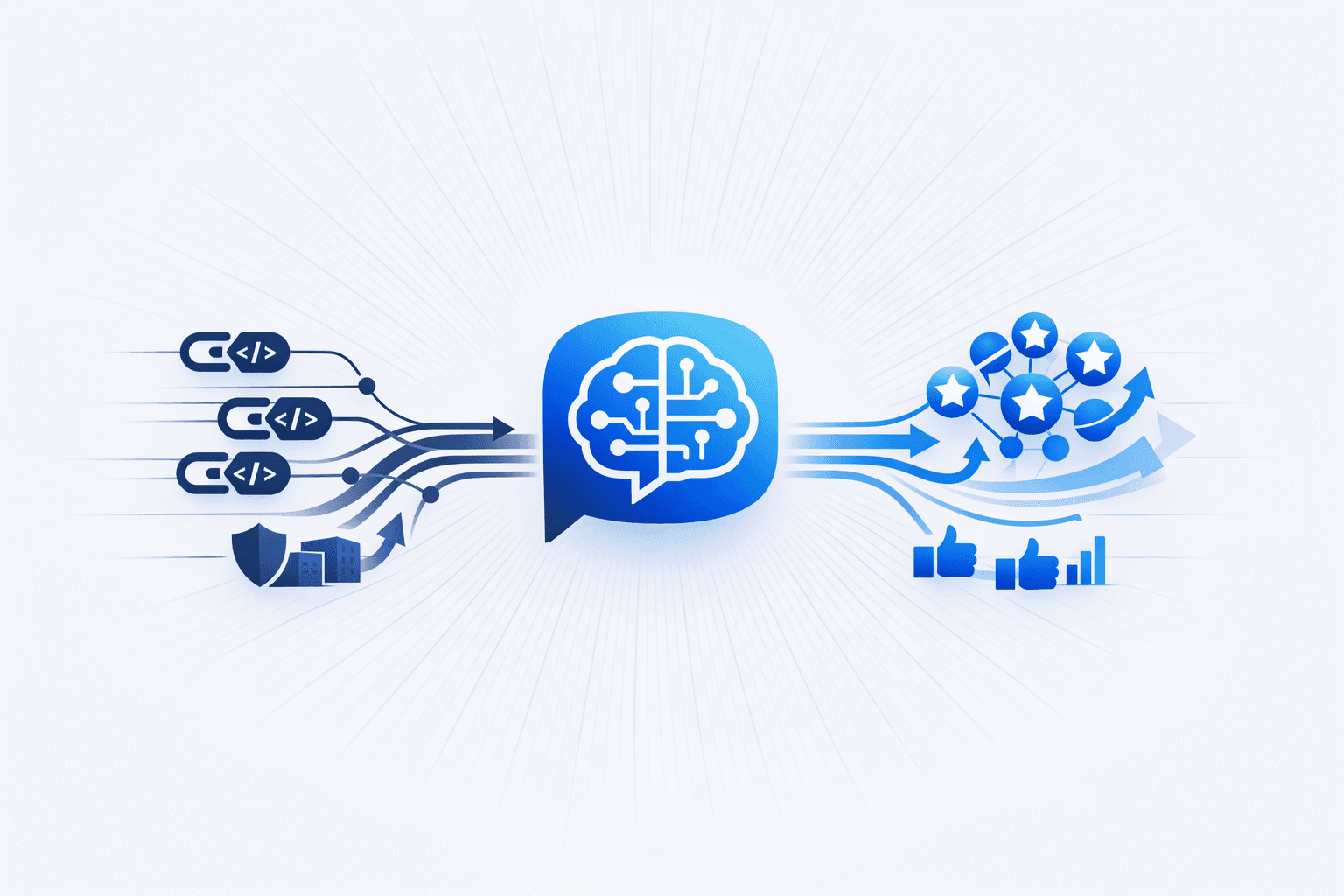
Security researchers reported AI recommendation poisoning attacks that abuse “Summarize with AI” buttons and AI share links to inject hidden instructions into AI assistants via crafted URL parameters. When a user clicks these links, the pre-filled prompt can attempt to write persistent directives into an assistant’s memory (where supported), biasing future outputs to treat certain companies as trusted sources or to prioritize specific products and advice in areas like finance, health, and security. Microsoft researchers said they observed 50+ unique prompts tied to 31 companies across 14 industries, and noted that readily available tooling (e.g., CiteMET and “AI Share URL” generators marketed as SEO hacks) lowers the barrier to deploying these manipulation techniques across email and web traffic.
Separately, reporting described AI-agent-driven “reputation farming” targeting open-source maintainers, indicating a broader trend of adversaries using automated AI workflows to influence trust signals and perceived credibility in technical ecosystems. While the tactics differ (memory/prompt injection via AI links vs. automated outreach to maintainers), both reflect an emerging risk: manipulation of AI-mediated recommendations and reputational signals to steer user and developer decisions without transparent attribution, increasing the likelihood of downstream security impact (e.g., biased security guidance, promoted dependencies, or trust in unvetted sources).
Why it matters
Impact assessment
AI recommendation poisoning affects organizations whose employees and customers use consumer or enterprise AI assistants with memory or persistent preference features, especially in health, finance, security, and software decision-making workflows. The primary impact is integrity loss rather than direct system compromise: users can receive biased recommendations, unsafe guidance, or preferential treatment of attacker-selected companies and sources, creating downstream operational, financial, and reputational risk.
The exposure appears broader than a single targeted campaign because Microsoft observed more than 50 unique prompts tied to 31 companies across 14 industries over a 60-day period, with distribution via both websites and email. Real-world abuse has been observed, but the reporting does not describe malware delivery, data theft, or a specific CVE-backed software exploit; the risk is manipulation of trust and decision quality at scale.
Supporting facts
- Microsoft Defender Security Research named the technique AI Recommendation Poisoning.
- Observed activity involved 50+ unique prompts, 31 companies, and 14 industries over 60 days.
- Delivery vectors included website “Summarize with AI” buttons and email-distributed AI links.
- Affected user populations include users of Copilot, ChatGPT, Claude, and Perplexity links referenced in reporting.
- Potential business impacts include biased vendor selection, unsafe health/finance/security advice, competitor sabotage, and erosion of trust in AI-assisted workflows.
- The story also references AI-agent-driven reputation farming against open-source maintainers, indicating adjacent risk to software trust ecosystems, but provides limited technical detail on that activity.
- No confirmed destructive impact, ransomware, or direct data exfiltration incidents are described in the provided references.