Prompt Injection Attacks Abuse AI Agent Memory and Link Previews for Manipulation and Data Exfiltration
Emerging Technology Risk · 4 sources · Updated 5mo ago · First seen Feb 11, 2026

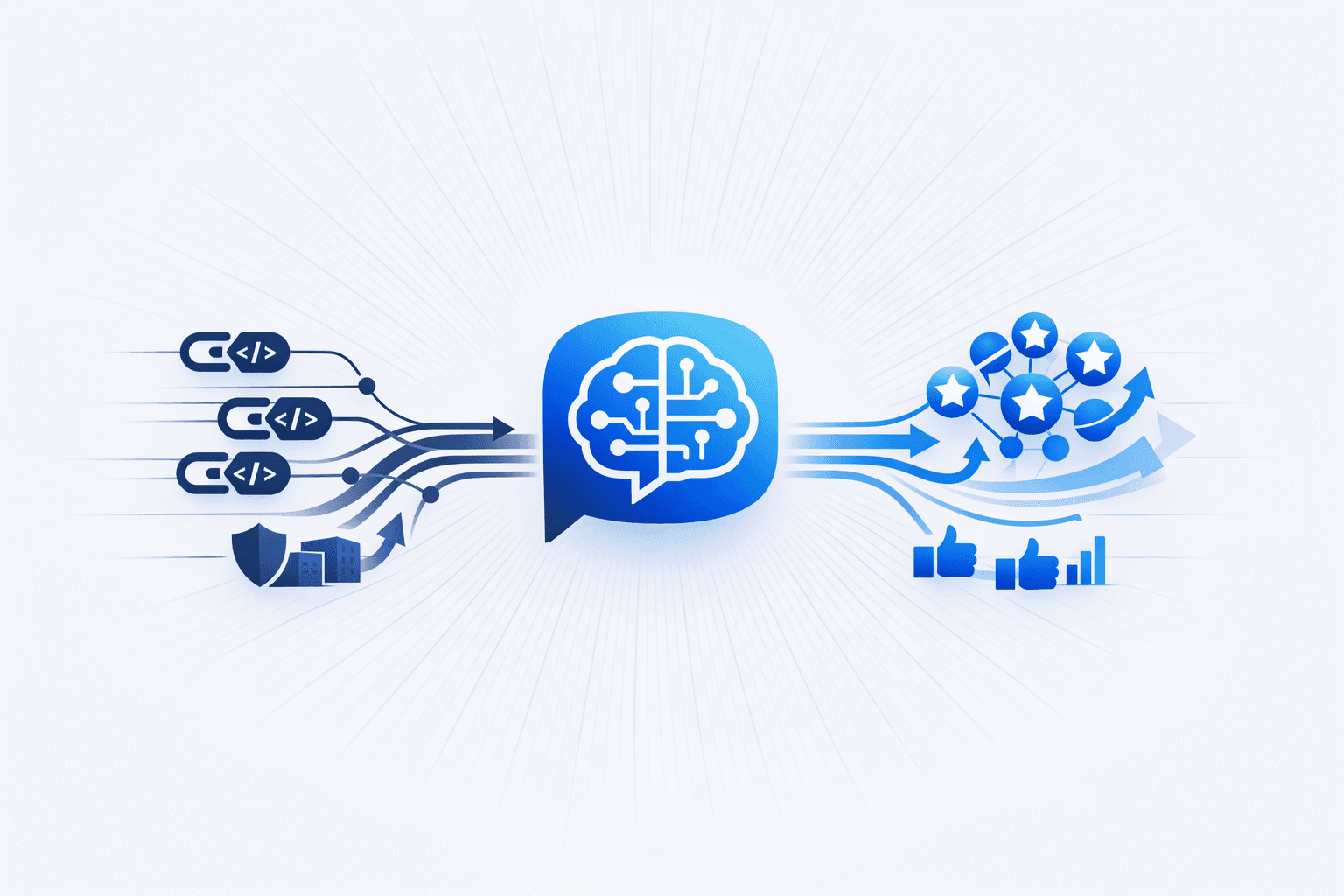
Security researchers reported multiple prompt-injection-driven attack paths that exploit how AI assistants and agentic systems process untrusted content. Microsoft researchers described AI recommendation/memory poisoning (mapped in MITRE ATLAS as AML.T0080: Memory Poisoning) in which attackers insert instructions that cause an assistant to persistently “remember” certain companies, sites, or services as trusted or preferred, shaping future recommendations in later, unrelated conversations. Observed activity over a 60-day period included 50 distinct prompt samples tied to 31 organizations across 14 industries, with potential downstream impact in high-stakes domains like health, finance, and security where manipulated recommendations can mislead users without obvious signs of tampering.
A separate finding highlighted how AI agents embedded in messaging apps can be coerced into leaking secrets via malicious link previews. PromptArmor demonstrated that an attacker can use chat-based prompt injection to trick an AI agent into generating an attacker-controlled URL that includes sensitive data (e.g., API keys) as parameters; when messaging platforms (e.g., Slack/Telegram) automatically fetch link preview metadata, the preview request can become a zero-click exfiltration channel—no user needs to click the link for the data-bearing request to be sent. Together, the reports underscore that agent features intended to improve usability—persistent memory, URL-based prompt prepopulation (e.g., “Summarize with AI” buttons), and automatic preview fetching—can be repurposed into scalable manipulation and data-loss mechanisms when untrusted prompts are processed implicitly.
Why it matters
Impact assessment
AI assistants, agentic workflows, and messaging-integrated bots are exposed to two practical risks: persistent recommendation manipulation through memory poisoning and zero-click secret leakage through link preview fetching. Affected users include enterprises deploying AI assistants in health, finance, security, collaboration, and customer-facing workflows, where biased outputs or leaked credentials can directly affect decision-making and confidentiality.
The impact ranges from integrity loss to data exposure. Recommendation poisoning can silently steer future outputs toward attacker-preferred companies, sites, or services, while link-preview abuse can exfiltrate secrets such as API keys without user interaction once an AI agent posts an attacker-controlled URL. The observed activity is broader than a single targeted campaign: Microsoft reported 50 distinct prompt samples tied to 31 organizations across 14 industries, and PromptArmor identified multiple at-risk app/agent combinations.
Supporting facts
- Microsoft described the manipulation technique as AI Recommendation Poisoning and AI memory poisoning.
- Microsoft observed more than 50 unique poisoning prompts over a 60-day period.
- The prompts were associated with 31 organizations across 14 industries.
- High-risk downstream domains called out in reporting include health, finance, and security.
- PromptArmor reported zero-click exfiltration risk when messaging platforms automatically fetch link previews.
- Sensitive data at risk includes secrets embedded by the AI agent into URLs, including API keys.
- At-risk combinations reported include Telegram with OpenClaw, Slack with Cursor Slackbot, Discord with OpenClaw, Discord with BoltBot, Snapchat with SnapAI, and Microsoft Teams activity paired with Microsoft Copilot Studio.
- OpenClaw was reported vulnerable in default Telegram configurations.
- Reported safer setups included Claude app in Slack, OpenClaw via WhatsApp, and OpenClaw in Docker via Signal in Docker.
- Known exploitation in the wild is reported for recommendation poisoning activity; the link-preview exfiltration issue is presented as demonstrated attack research with observed test results rather than confirmed widespread malicious exploitation.
Structured facts
- Entities: Microsoft, PromptArmor, Perplexity AI, Microsoft Teams, Microsoft Copilot Studio, Slack, Telegram, Discord, Snapchat, OpenClaw, Cursor Slackbot, BoltBot, SnapAI
- Industries affected: 14 industries; explicitly sensitive sectors include health, finance, security
- User populations: enterprise AI assistant users, messaging-platform users, AI agent operators, security-sensitive environments
- Exposure scope: broad and cross-industry for recommendation poisoning; configuration- and platform-dependent for link-preview exfiltration